Repairs · Bartonville
Garage Door Bottom Seal Replacement in Bartonville
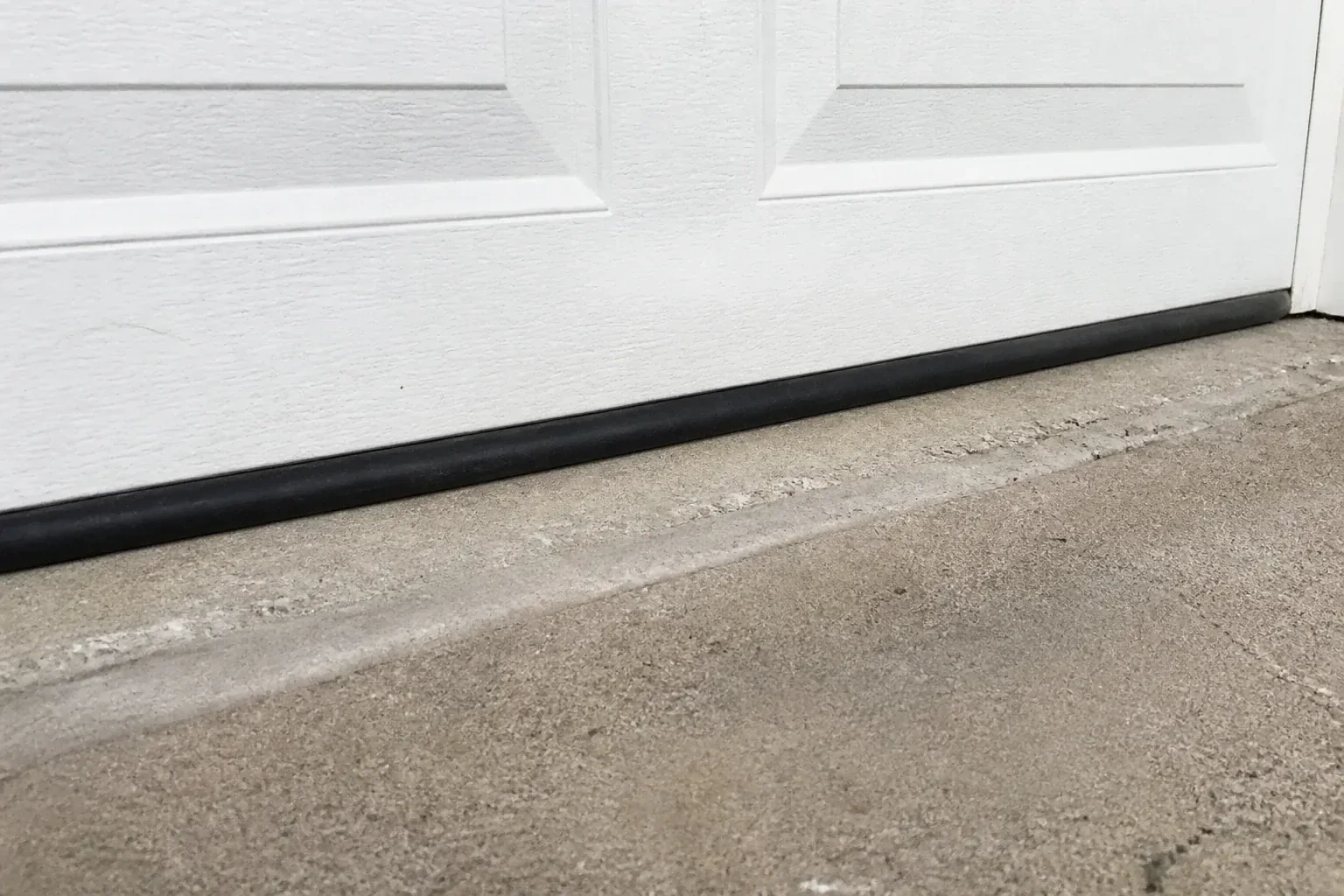
The strip under the door has gone as hard as a hose left out for ten summers.
In plain words
The bottom seal is one part of a weather line that runs all the way round the door. Vinyl-finned stop moulding seals the jambs and header, the section joints have their own tongue-and-groove or shiplap seals, and a threshold seal glued to the floor can meet the bottom strip where a slab slopes the wrong way. Bottom seal replacement addresses the piece that takes the most punishment, and while the technician is there the rest of the perimeter is looked over. Where the side or top strips are torn or shrunk, doing them in the same visit gives a garage sealed on all four edges rather than three.
How the visit goesWith the door closed and the lights off, a bright line of daylight runs along the floor from one side to the other. Leaves and grit have blown in under it and gathered in a neat drift against the back wall.
Garage Door Bottom Seal Replacement
How the visit goes
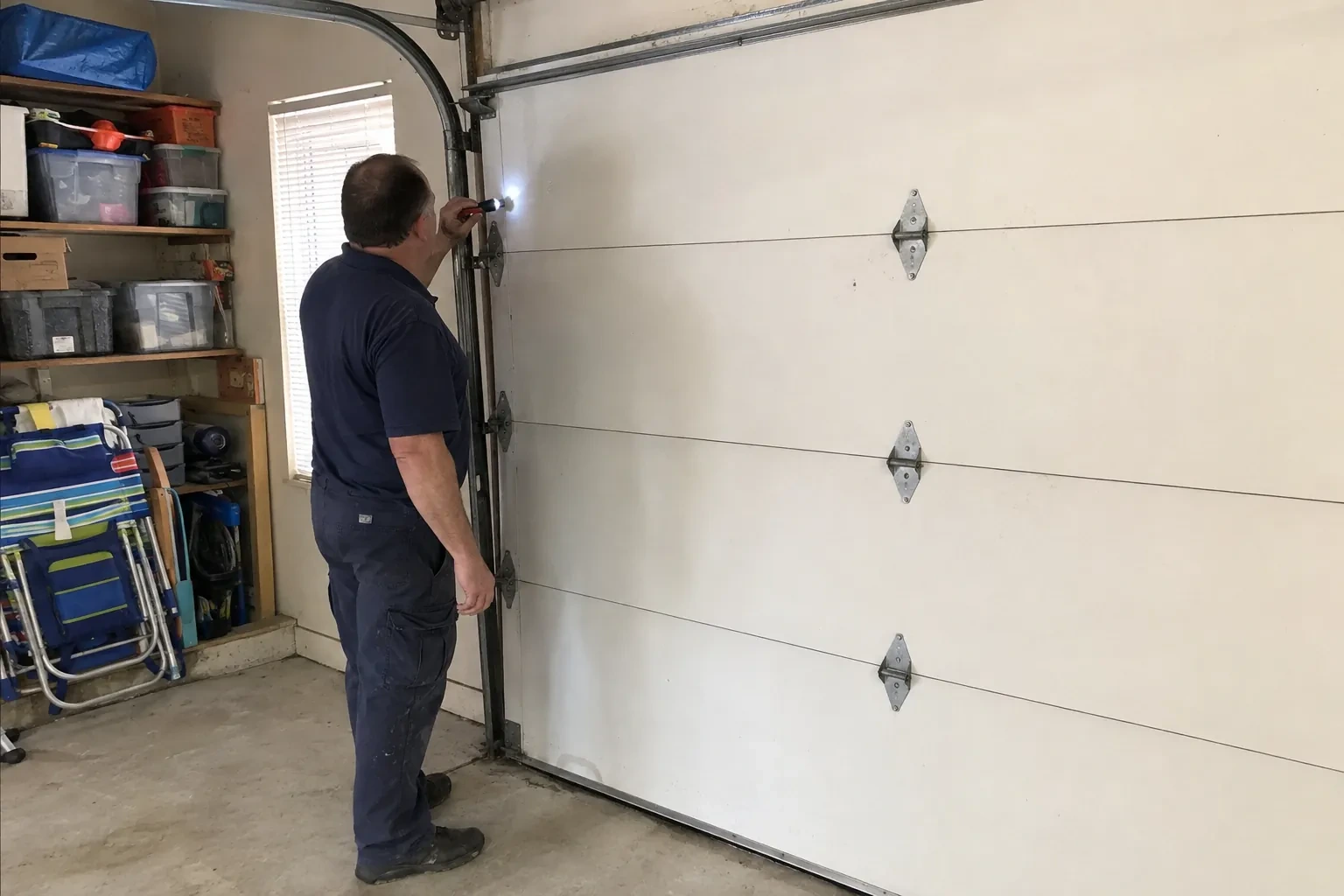
Which retainer and which profile
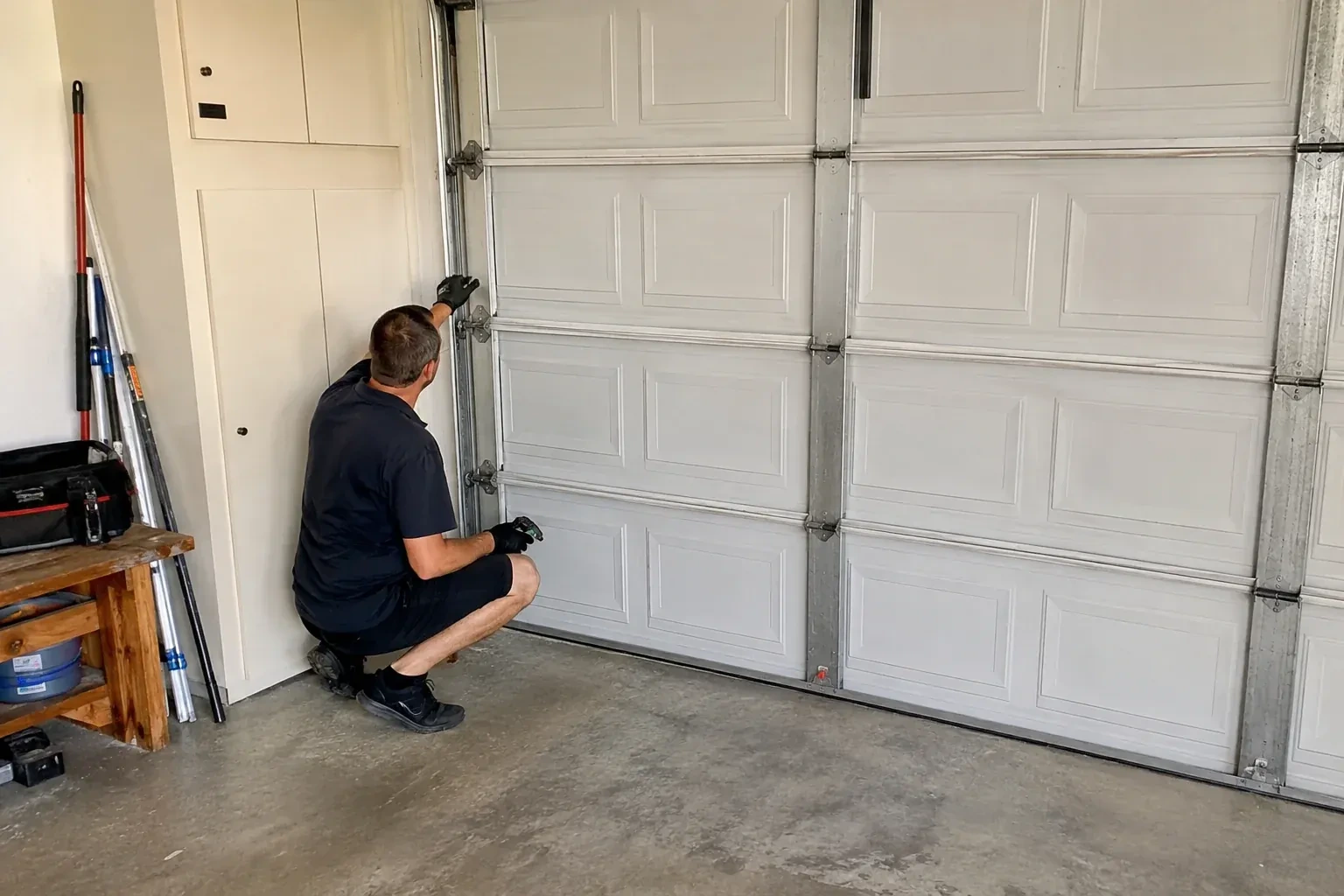
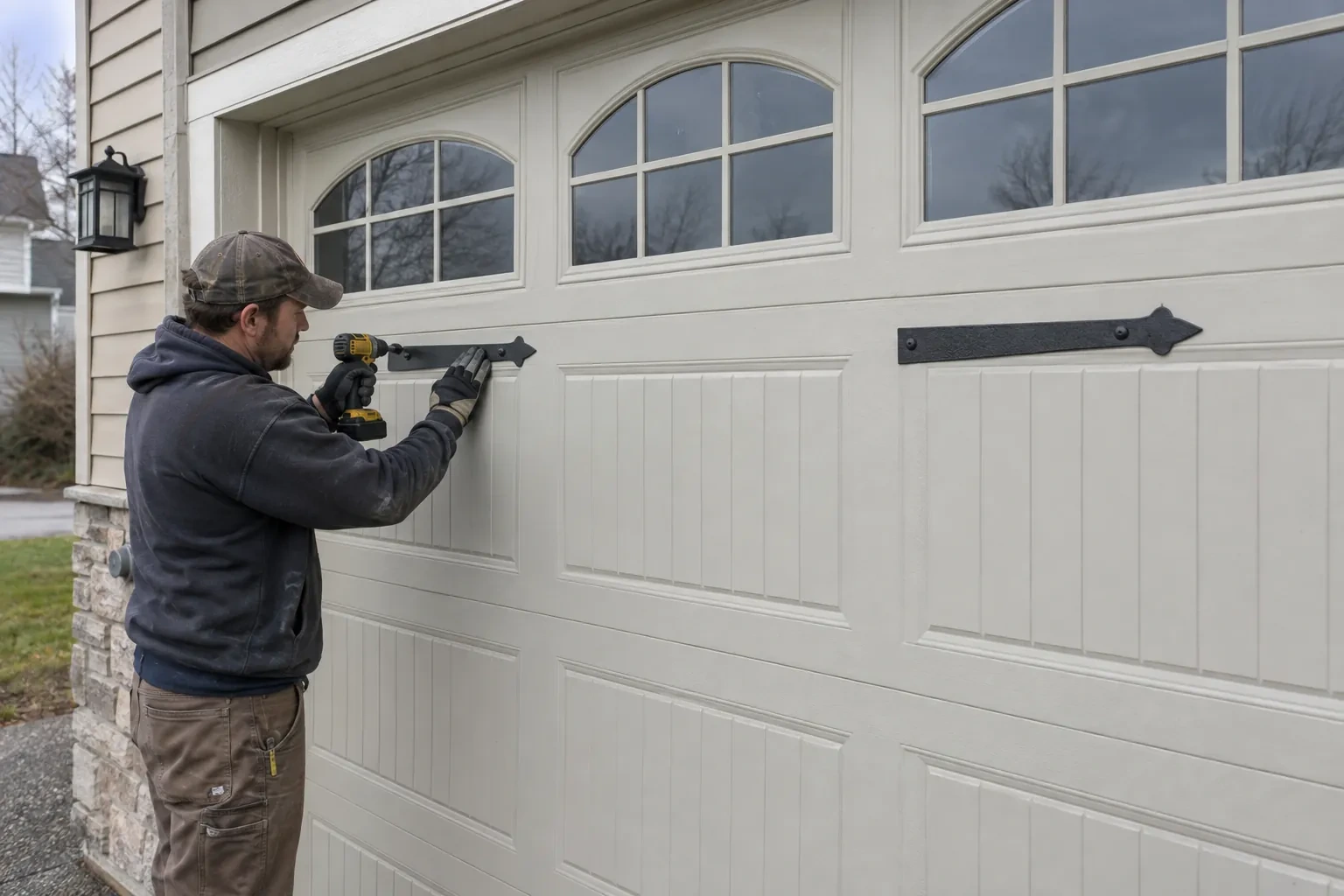
Next the retainer along the bottom rail is identified. Most steel doors carry an aluminum extrusion with two channels that take the T-shaped or beaded edges of a U-shaped seal; some insulated doors have the channel moulded into a plastic bottom cap; older doors may have a single channel; wood doors often have a strip nailed straight to the rail. The technician measures the channel spacing and the T or bead size, checks the door width, and notes the height of the old strip. A seal chosen from these measurements slides in cleanly and holds, which is the difference between a replacement that lasts and one that works loose.
Feeding the seal into the retainer
Both edges of the new seal are started into their channels together at one end of the door. A spray of soapy water or silicone on the edges lets the strip glide, and the technician works it across in stages, pulling gently from the front end and feeding from the other so the seal is never stretched, since a stretched seal shrinks back and leaves a gap later. Once it is across, the bulb is checked to hang evenly with no twists. The ends are trimmed flush with the door and folded up into the channel or capped, so water running along the seal drains out rather than into the section.
The opener stays in step with the seal
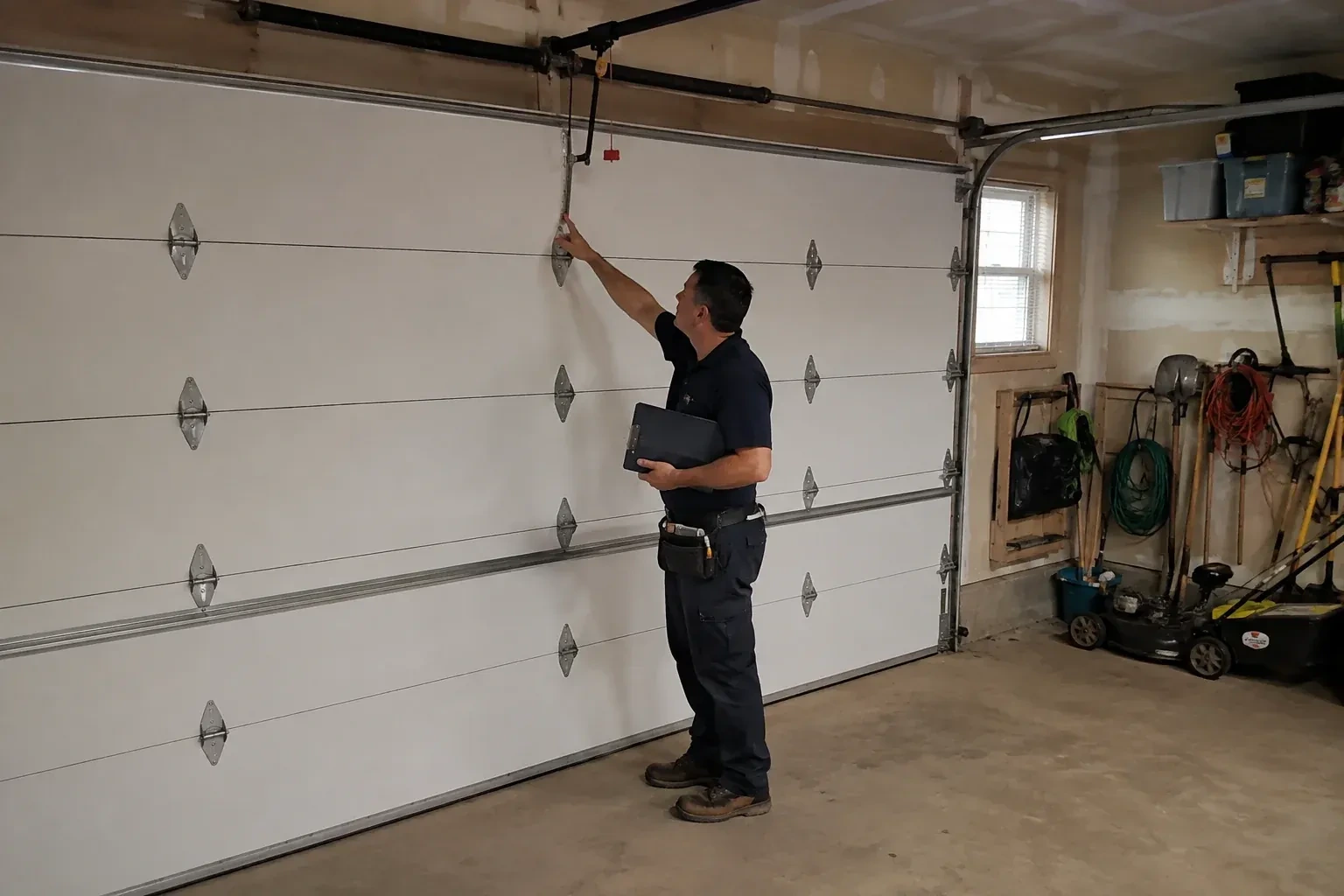
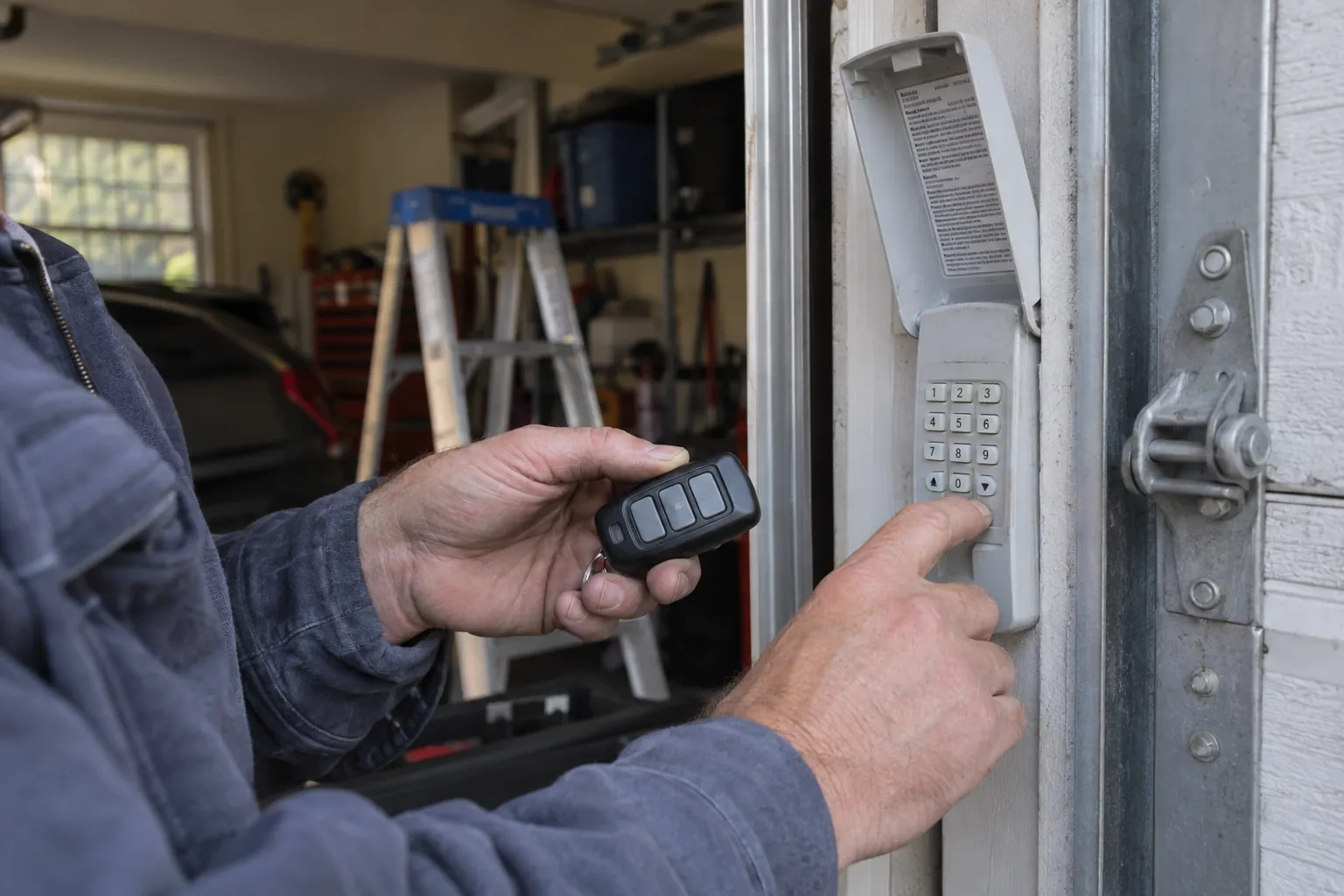
The opener was reset to the new seal height, and it will hold that setting until something changes. If the door begins to reverse just before the floor, stops short and leaves a gap, or lands with a thump, the down limit or force has drifted or the seal has taken a set, and a small adjustment puts it right. The reversing test with a 38 mm (1.5 in) solid object, or a 2x4 laid flat under the door, is worth repeating monthly and after any adjustment, as the industry checklist for homeowners describes. A door that closes gently and reverses on an obstruction is one whose seal and opener are working together.
Garage Door Bottom Seal Replacement
In the van
Track clamps
Seal end caps
Self-drilling retainer screws
Threshold seal and adhesive
T-style bottom seal
Garage Door Bottom Seal Replacement
What affects the quote
Material chosen
Standard vinyl, cold-flexible rubber and silicone are priced differently. Where the door faces the weather, the technician explains what the step up buys in flexibility and working life.
Bottom section repairs
A rusted, dented or bowed steel bottom rail, or a rotted wood rail, is pointed out and any repair or reinforcement offered as an option beside the seal work.
Season and conditions
A seal frozen to the slab, ice at the threshold or working in deep cold adds time for freeing the old strip, clearing the line and keeping the new roll warm enough to feed.
What to have ready
- What is getting in: light, drafts, water, snow, leaves or pests?
- Has the seal frozen to the floor this winter?
- Have you seen mice or droppings in the garage?
Garage Door Bottom Seal Replacement: questions
QuestionsShould the side and top weatherstripping be replaced at the same time?
It is worth having them looked at while the technician is there. The vinyl fin on the stop moulding around the jambs and header shrinks, tears and hardens on the same schedule as the bottom seal, and a draft that survives a new bottom seal usually comes from the sides. Doing the perimeter in the same visit saves a return trip and leaves the door sealed on all four edges.
Can the seal be replaced in the middle of winter?
Yes, and winter is when most people notice they need one. Vinyl is stiffer in the cold, so the technician keeps the new roll warm until it is fed and takes a little longer working it across the channels. A seal frozen to the floor is freed by hand first. The door is then closed onto the new strip and the opener reset exactly as in summer, and the garage is sealed for the rest of the season.
How do I look after the new seal?
Wipe it clean of salt and grit a few times a year, and give it a light coat of silicone spray each autumn so meltwater has nothing to bond to. Keep petroleum products and solvents away from it, since they soften vinyl. Clear ice and packed snow from the threshold before running the door in winter. Once a season, look under the closed door for daylight. That is the whole routine.