New Doors · Hamilton
Commercial Sectional Door Repair
The door reaches the floor, then reverses before staying closed.
In plain words
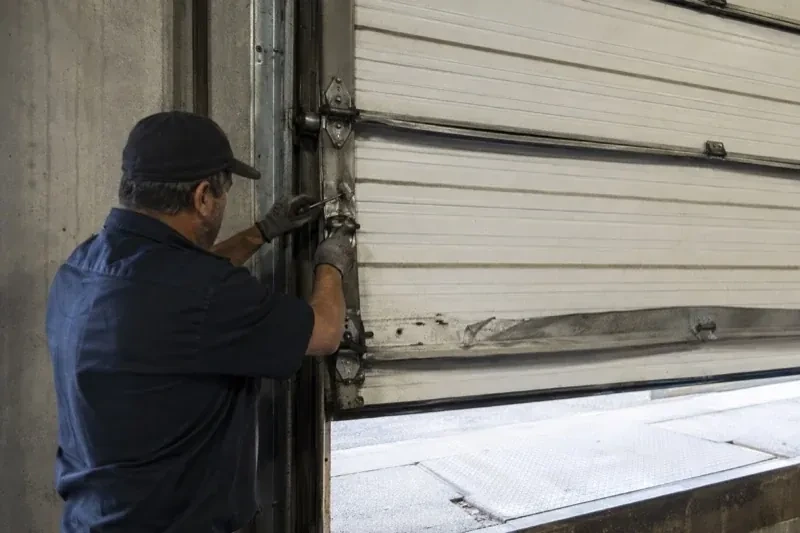
Unusual sound is useful diagnostic information on a commercial sectional door. A knock at the track curve suggests different issues from a steady bearing growl, a scraping section or operator-chain chatter. The technician listens during a controlled cycle, then inspects the hardware at the point where the sound appears. Worn rollers, loose hinges, dry bearings, displaced track and drive components can each be dealt with directly. The completed repair finishes with lubrication where specified and repeated observation of the previously noisy part of travel.
How the visit goesThe operator runs and the drive chain moves, yet the sectional door hesitates near the floor. It feels unusually heavy during manual operation, pointing to a counterbalance problem rather than a simple control-station fault.
Commercial Sectional Door Repair
How the visit goes
Following sound to its source
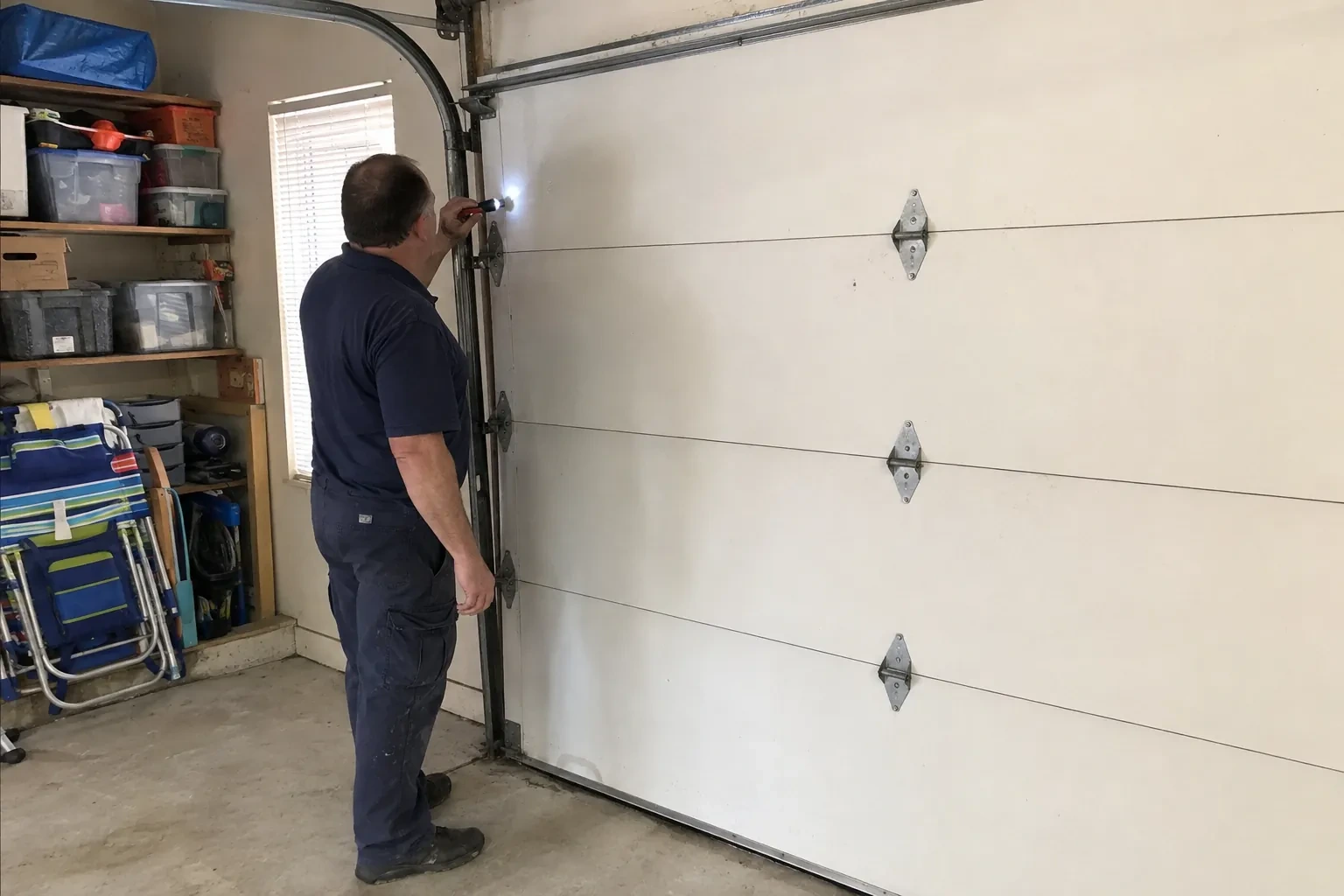
Noise is assessed by location, timing and character. A controlled cycle shows whether a knock occurs at a hinge, a roller entering the curved track, a bearing on the shaft or the operator drive. The technician watches for metal dust, polished rub marks, loose fasteners, roller play and track movement while listening. Door speed and vibration are compared through the vertical and horizontal portions of travel. This approach keeps several sounds from being treated as one problem and identifies the component producing each repeatable rattle, scrape or growl.
Completing a system-wide test
After tools and supports are cleared, the technician observes the repaired assembly through its entire range. Manual balance is evaluated where the design permits, followed by powered cycles that show cable tracking, roller travel, section alignment and final seating. The operator's stop and reverse responses are checked with its installed protective devices. Unusual vibration, contact marks and loose connections receive a final review. The service record identifies parts fitted, adjustments made, test results and any separate maintenance items the facility may wish to schedule.
Useful documentation for a busy facility
The finished record ties the complaint to the actual repair: door identification, parts changed, settings adjusted and functions tested. For properties with many similar openings, assigning a clear asset number to each door prevents service histories from becoming mixed. Cycle demand, collisions and recurring observations can then be logged against the correct bay. This information supports practical maintenance planning and helps the next technician arrive with relevant dimensions and system details, while staff retain a concise reference for normal sound, travel and control behaviour.
Commercial Sectional Door Repair
In the van
Vertical and horizontal track
Torsion springs
Photoelectric sensors and sensing edges
Commercial door sections
Track brackets and back hangs
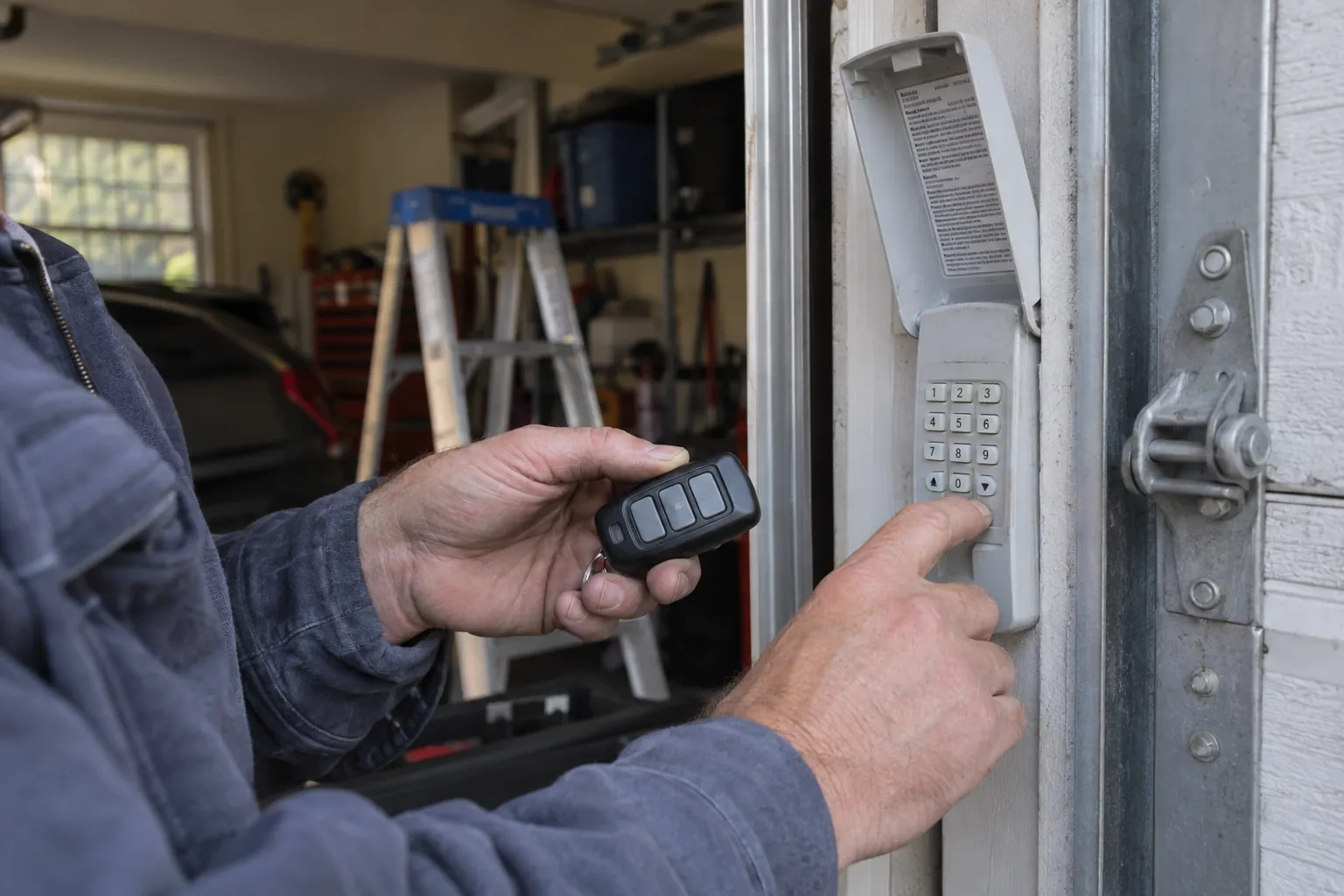
Commercial Sectional Door Repair
What affects the quote
Lift and track configuration
Standard, low-headroom, high-lift and vertical-lift arrangements use different track geometry, drums, cables and access methods, so the installed configuration shapes labour and parts.
Weather-seal work
Bottom rubber alone is different from a bent retainer, uneven landing, damaged perimeter seal or drainage issue that also needs correction at the opening.
Protective device condition
Misaligned photoelectric sensors may need adjustment, while damaged wiring, sensing edges, brackets or control modules require compatible components and additional function testing.
What to have ready
- Where during travel does the sound or hesitation occur?
- Which numbered bay or opening needs repair?
- Is the track standard, high-lift or vertical-lift?
Commercial Sectional Door Repair: questions
QuestionsWhat information helps identify replacement parts?
A clear photo of the interior label, model and serial details, opening width and height, panel thickness and the affected component are useful. For springs or cables, door weight and lift configuration also matter. Photos showing the entire inside of the opening help reveal standard, high-lift or vertical track. Existing service records can confirm earlier component changes.
How are springs and cables handled during repair?
The technician first controls the door's weight and position with suitable supports or clamps. Stored spring energy is then managed with proper winding tools and a defined sequence before connected parts are loosened. Cables, drums and springs are matched to the door and lift geometry, installed with the system secured, and checked for level tension through controlled movement.
How should a repaired door be lubricated?
Use the product and interval specified by the door manufacturer. Hinges, roller bearings, shaft bearings and springs may have defined lubrication points, while track generally benefits from being clean rather than coated with material that holds grit. High-use openings may need a different schedule. The service record can note what was applied and where for consistent future care.
Related services
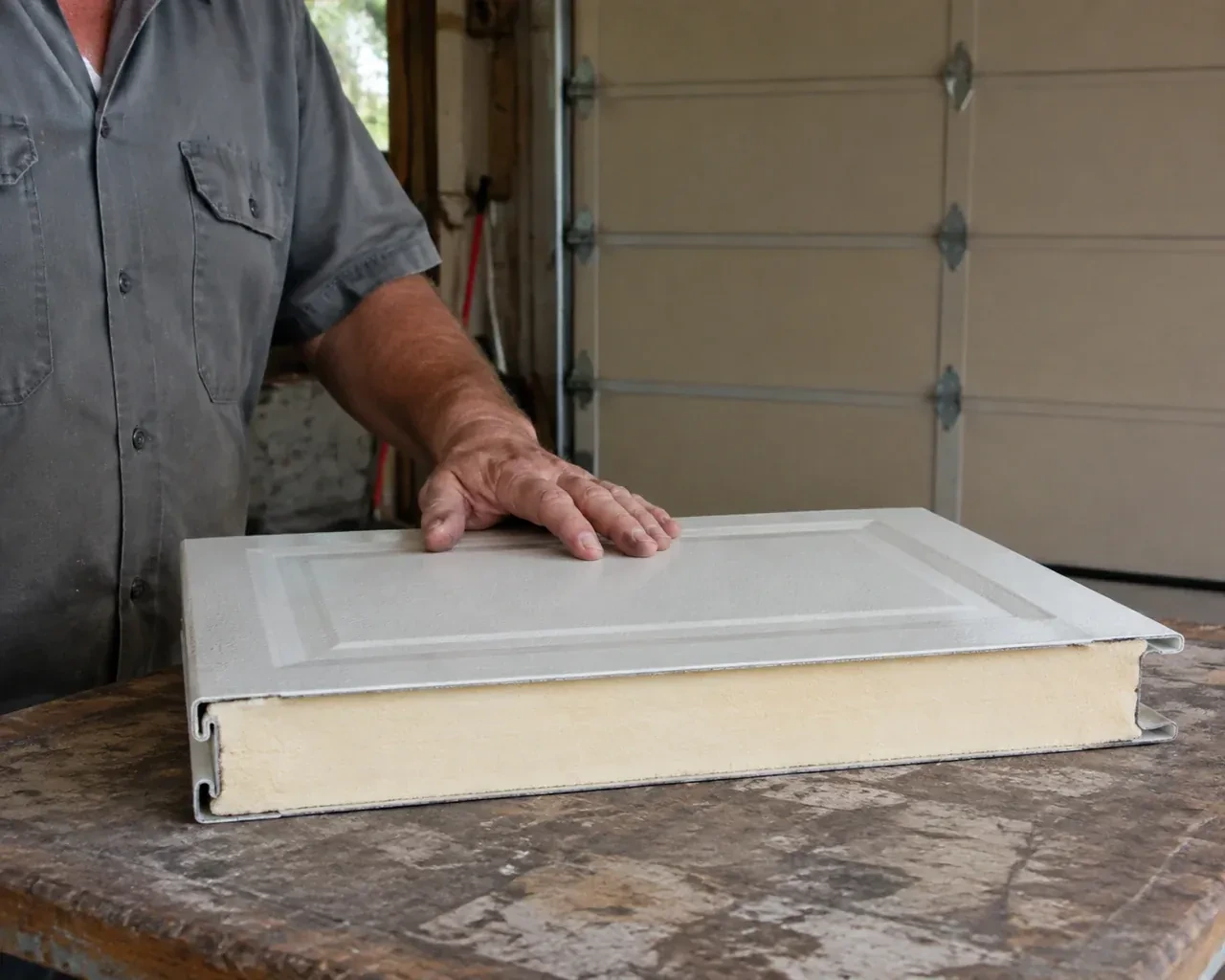
- Insulated Steel Garage Door InstallationDaylight appears beside the closed door and powdery snow collects just inside after windy weather.
- Wind-Rated Garage Door ReplacementThe current double door shudders when pressure changes outside, and daylight appears briefly along one edge.
- Carriage-House Garage Door InstallationYour garage door works, yet its broad plain panels feel disconnected from the brick, gables and entry details around them.