Springs · Hamilton
Garage Door Roller Replacement
The door shudders as it rises, worst where the track bends from vertical to horizontal.
In plain words
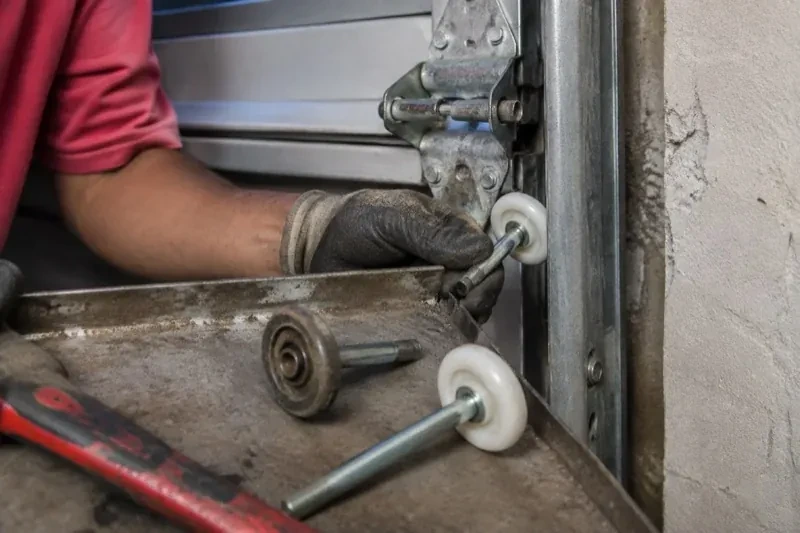
Not every roller suits every door. Wheel diameter has to match the track: two inches on residential track, and either two or three inches on commercial track, so the installed track is measured, not assumed. Stem length has to match the hinges: four inches through a single hinge, seven or ten inches where two hinges stack at the end of a heavier door. Bearing count and load rating have to suit the door's weight, with insulated steel and wood doors needing more than a light single-skin door. Measuring all of that before a set is chosen is part of the service, so the new rollers sit properly and last.
How the visit goesThe door shudders as it rises, worst where the track bends from vertical to horizontal. Watching from inside, you can see one section rock from side to side while the others sit still, and the whole door lands with a clunk.
Garage Door Roller Replacement
How the visit goes
Every roller, one by one
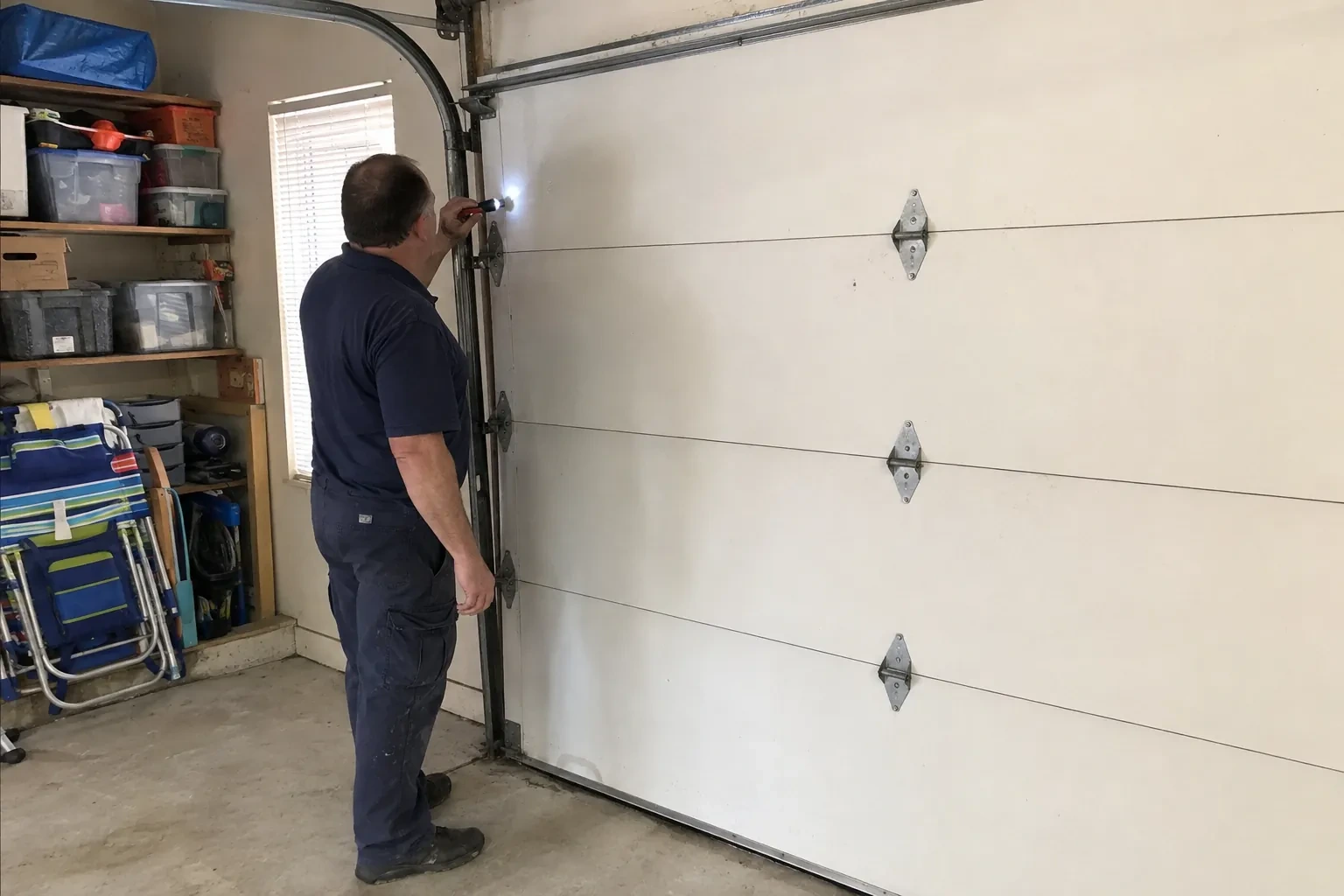
Each roller is examined in place before anything is unbolted. The wheel is checked for flat spots, for chips and cracks in a nylon tire, or for a plastic wheel worn to an oval; the stem is checked for bends and for how much it wobbles in its hinge; the bearings are spun by hand for grit, roughness or the loose rattle of balls that have pitted their race. The technician also notes whether each wheel sits centred in the track or has been riding on one lip. Ten or twelve wheels take only minutes to read this way, and the pattern of wear across them tells the story of the door as a whole.
Securing the door before a roller comes out
Nothing is unbolted until the door cannot move. The technician disconnects the opener, positions the door where the work is safest for the rollers being changed, and locks it there with clamps or locking pliers set in the track under the wheels so the sections cannot slide or drop. With a heavy door left in the open position, the horizontal track and its hangers are checked for a firm hold first. This set-up takes a few minutes and is the reason the rest of the job can proceed calmly, one roller at a time, without a section shifting while a hinge is loose.
An opener with less to carry
With smooth rollers under the door, the opener goes back to its intended job of guiding a balanced door rather than hauling a rough one. The technician will have confirmed the force settings and the reversal against a test block before leaving, and it is worth repeating the reversal check yourself each month: lay a 1-1/2 inch block, such as a scrap of two-by-four laid flat, in the door's path and close it; the door should reverse on contact. If the opener ever begins straining or reversing partway again, mention it at the next visit, since it is often the earliest sign of hardware wear.
Garage Door Roller Replacement
In the van
Long-stem rollers for double hinges
1-1/2 inch reversal test block
Bottom brackets
Garage door lubricant
Replacement numbered hinges
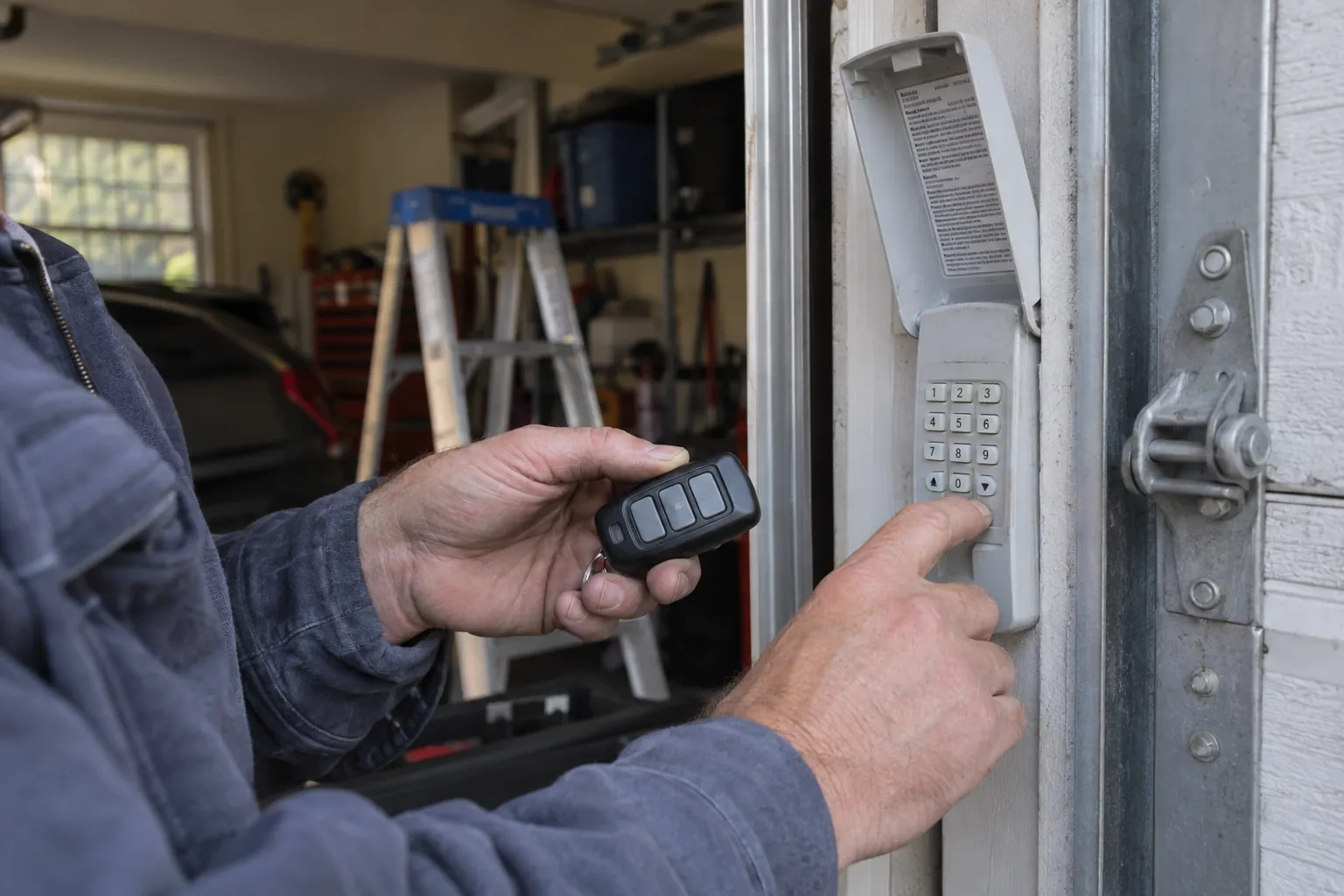
Garage Door Roller Replacement
What affects the quote
When the visit is booked
Evening, weekend and holiday calls cost the same amount as a weekday appointment for roller replacement. The technician confirms the exact figure once the rollers, hinges and track have been looked at on site.
Opener adjustments afterwards
Resetting force limits and re-testing the reversal once the door moves freely is normally part of the job; reprogramming or repairs to the opener itself are quoted separately.
Number of sections and rollers
A four-section door carries ten rollers and a five-section door twelve; taller doors with more sections, or doors fitted with extra rollers at the top, add to the set, and the quote follows the count.
What to have ready
- Where in the travel does the noise, shake or hesitation happen?
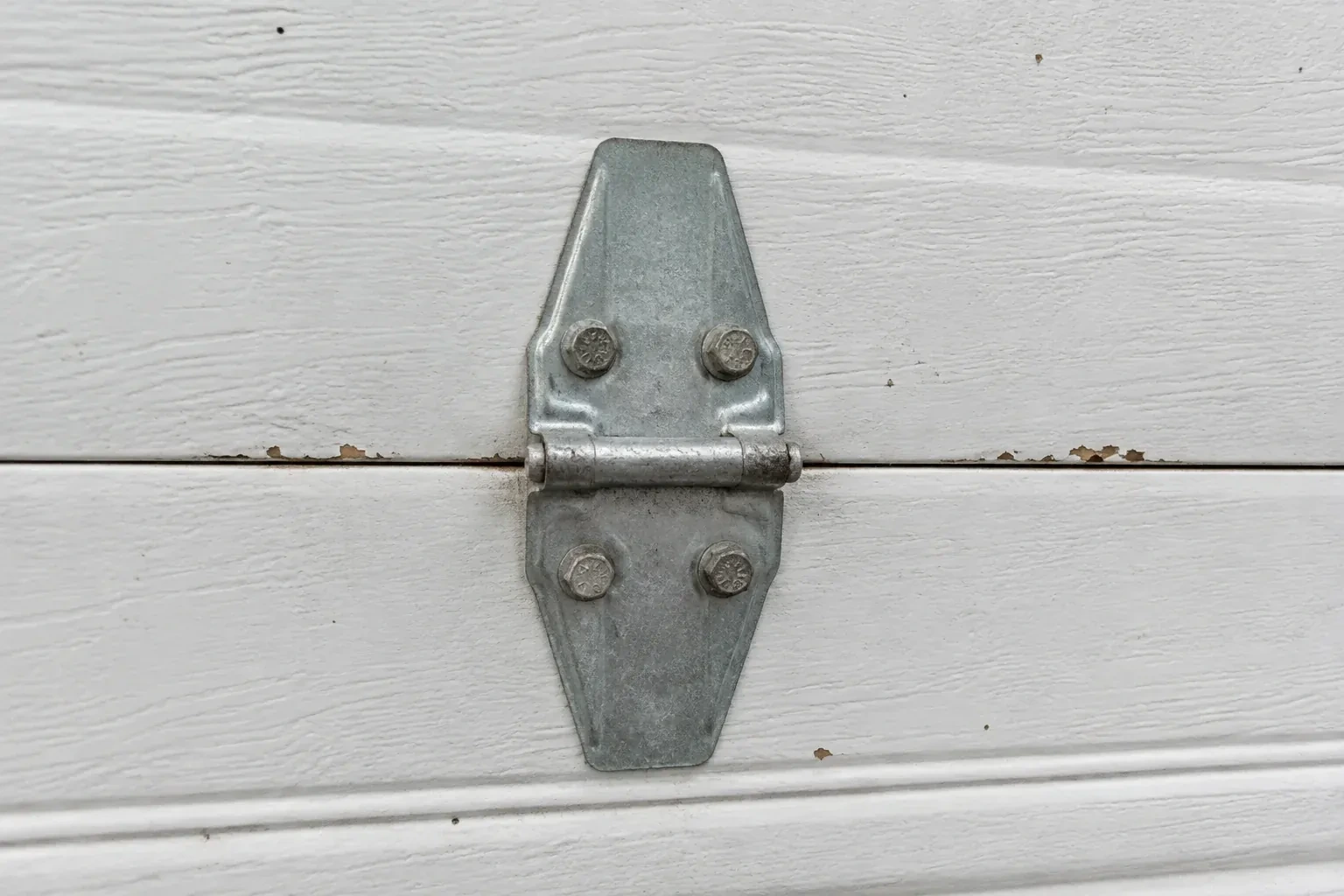
- Are there two hinges stacked at the ends of each section, or one?
- Is the opener straining, reversing partway, or working harder than it used to?
Garage Door Roller Replacement: questions
QuestionsWhat happens during the visit, and do I need to move the car?
The technician needs clear access to both tracks from floor to ceiling, so moving vehicles out and shifting anything stored against the walls near the tracks helps. The visit itself runs in order: the door is watched in motion, every roller and its hardware is inspected, the door's balance is tested, the door is secured and the rollers are changed one position at a time, the track is cleaned and squared, moving parts are lubricated, and the door and opener are tested.
How do worn rollers affect the opener?
An opener is built to guide a balanced door, and every wheel that binds, wobbles or grinds adds resistance it has to overcome across the whole travel. It works harder, runs hotter, and may trip its force limit or reverse partway through a cycle. After roller replacement the technician confirms the door holds its own weight with the opener released, then checks the opener's force setting and its reversal on a test block, since a door that moves freely often needs those settings reduced.
Should I replace rollers when the springs are replaced?
It is a common and sensible pairing. Rollers and springs are the two most frequently replaced parts on a door and wear on similar timelines, so a door that has used up its springs has usually worn its rollers too. Doing both in one visit means the door is secured and the opener disconnected once, and the bottom brackets, which are handled for spring work anyway, receive new rollers while they are accessible. Ask for the rollers to be checked whenever spring work is booked.
Related services
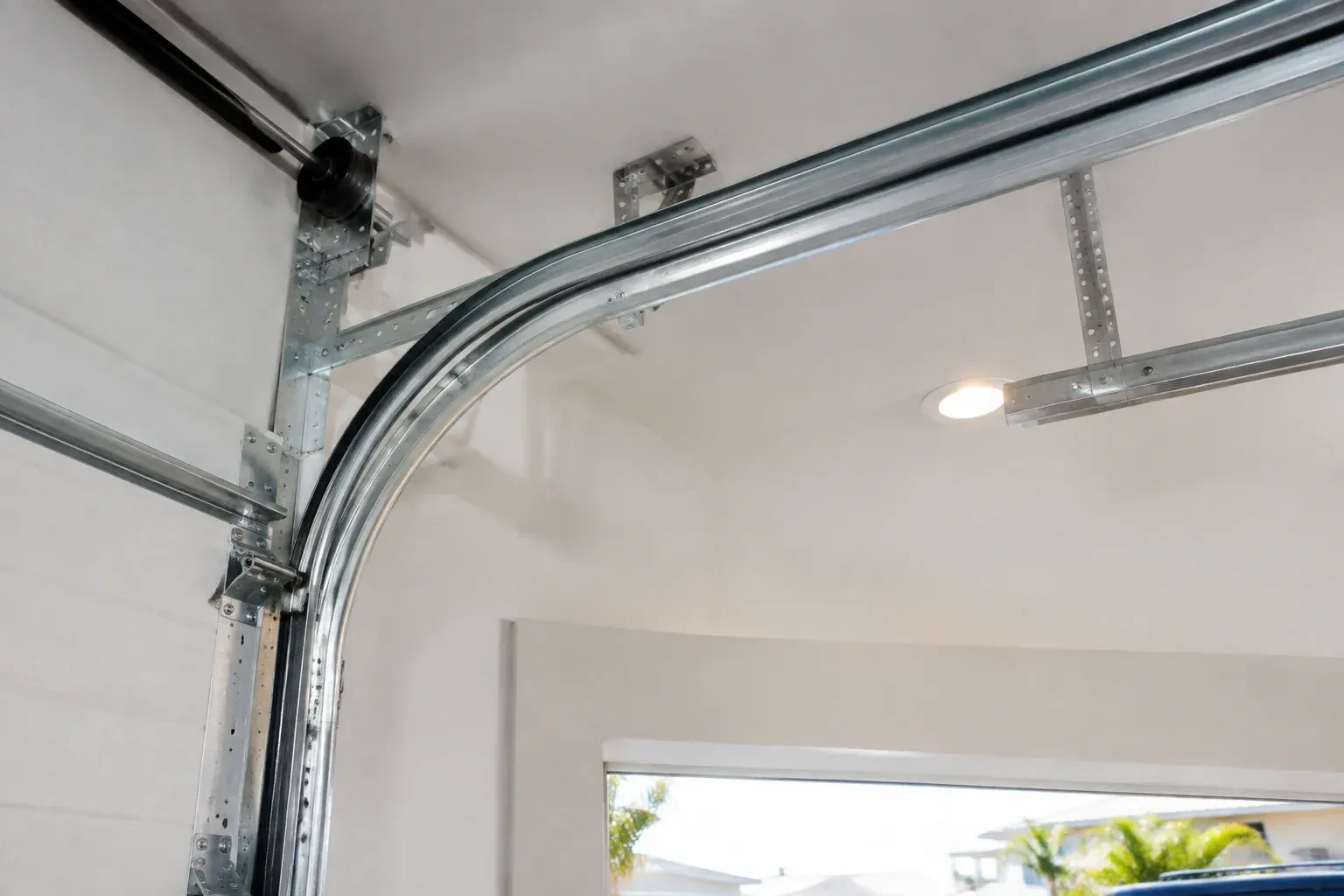
- Garage Door Track Repair or ReplacementThe horizontal rail toward the back of the garage sags noticeably.
- Garage Door Cable ReplacementYour older door has springs along the tracks, and one cable has slipped off its pulley and dangles slack.
- Torsion Spring ReplacementAfter pulling the red release cord, you tried lifting the door yourself and it would barely leave the floor.