Garage Doors in Normanhurst, OntarioSafe for everyonewho walks under it.
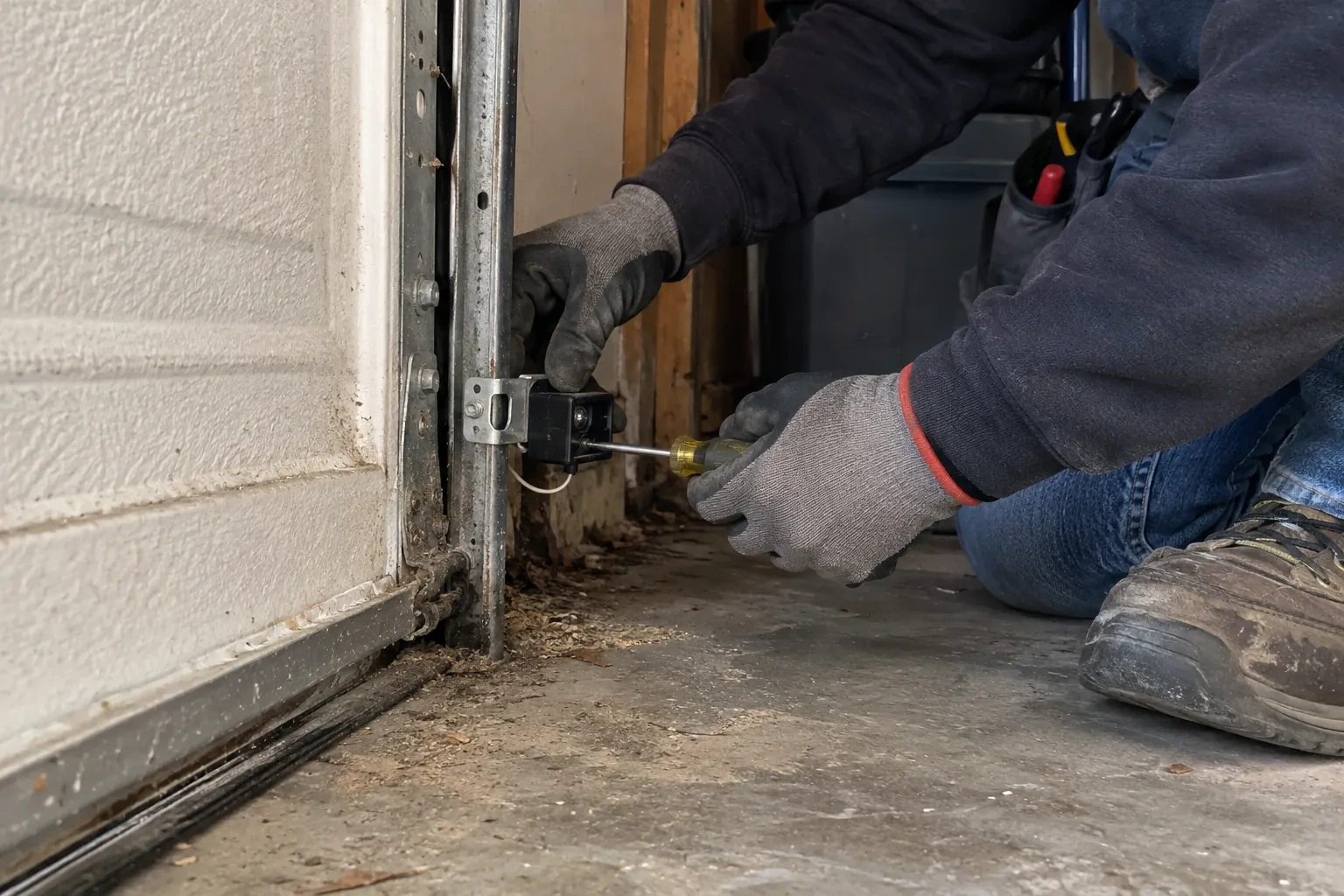
Photo-eyes, the auto-reverse force setting and a balanced door are what stand between a closing door and a child, a pet or a bicycle wheel. On every visit in Normanhurst we test all three, correct whatever has drifted, and explain how you can check them yourself between visits.
Photo-eyes, the auto-reverse force setting and a balanced door are what stand between a closing door and a child, a pet or a bicycle wheel. On every visit in Normanhurst we test all three, correct whatever has drifted, and explain how you can check them yourself between visits.
Residential and commercial doors, serviced properly.
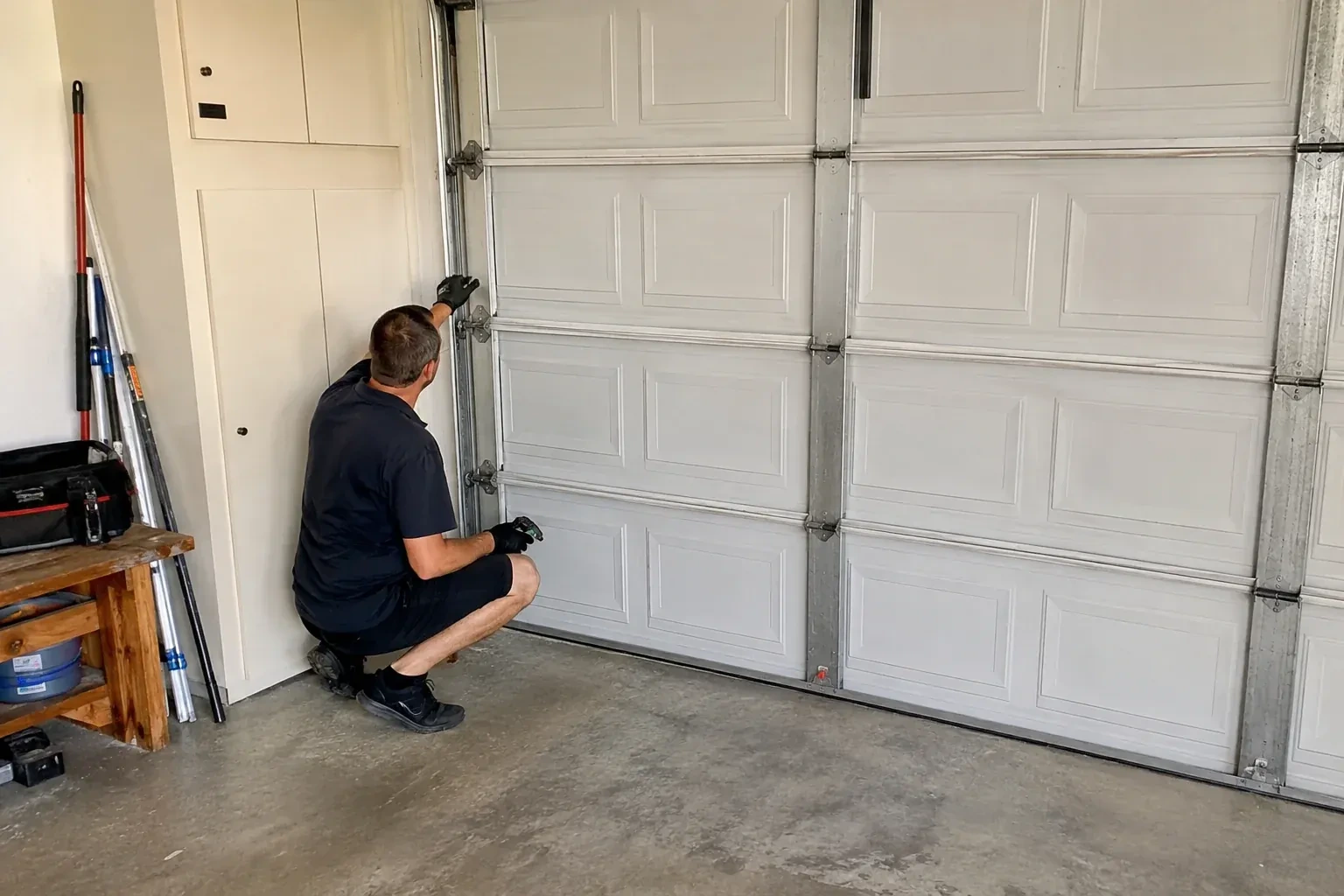
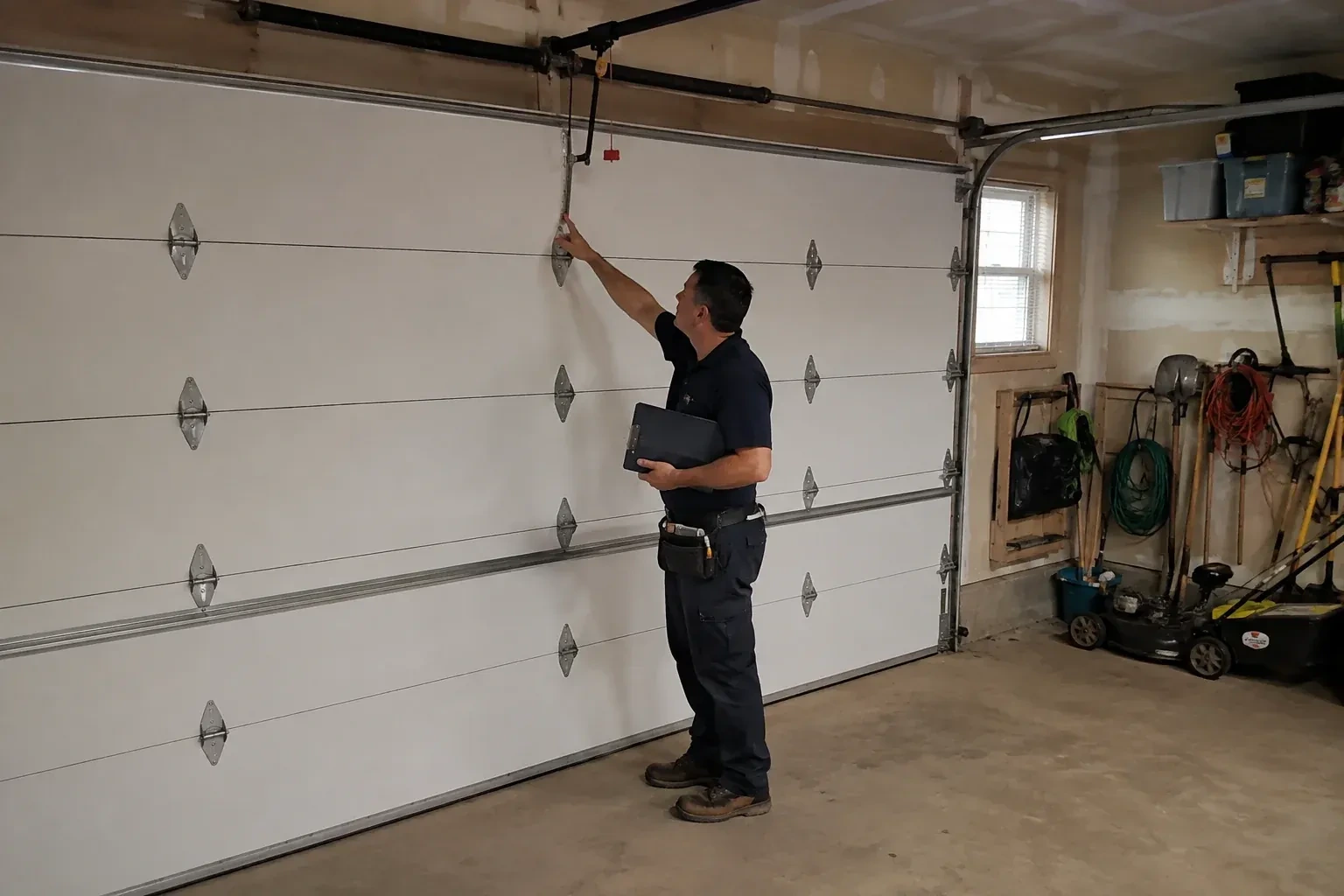
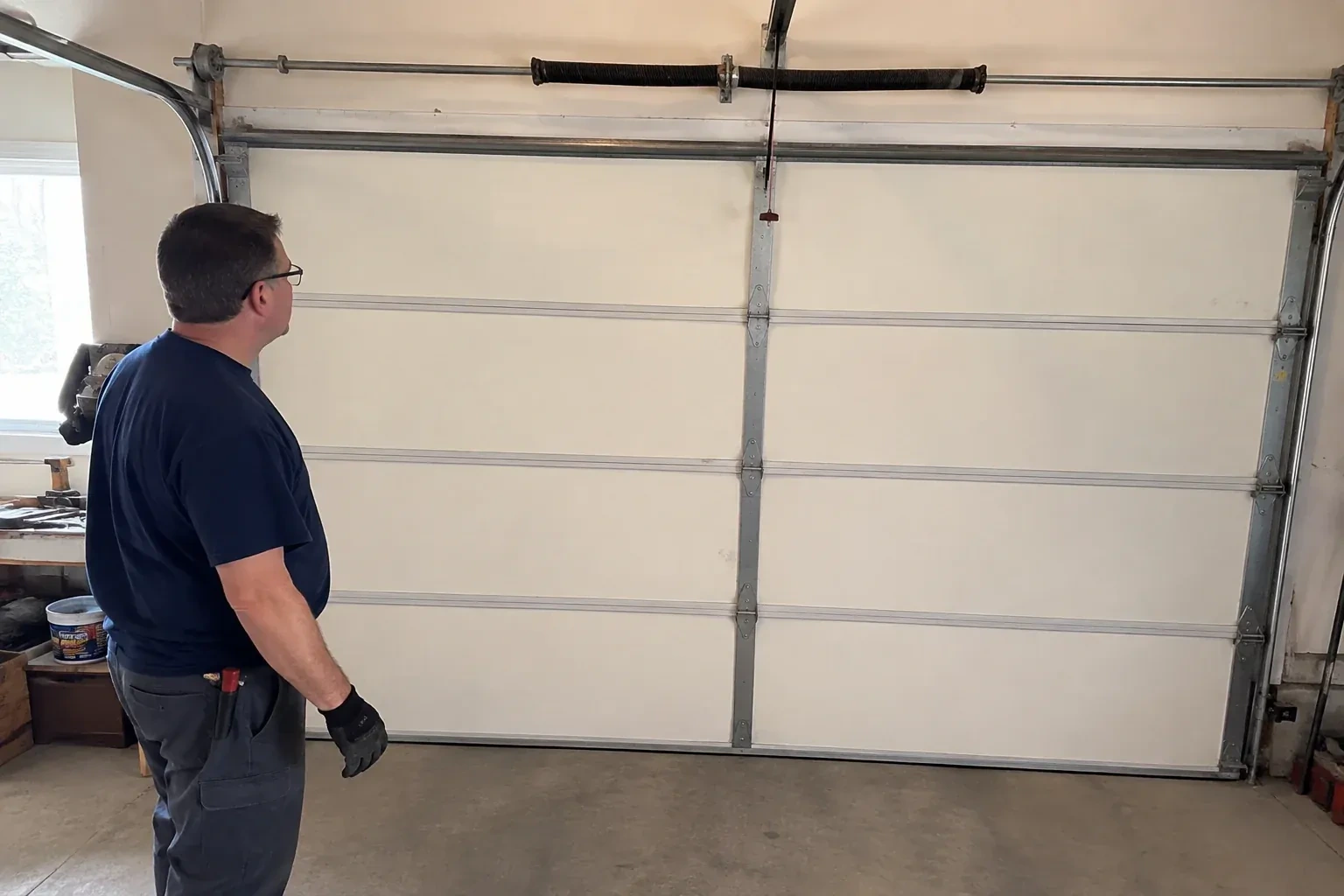
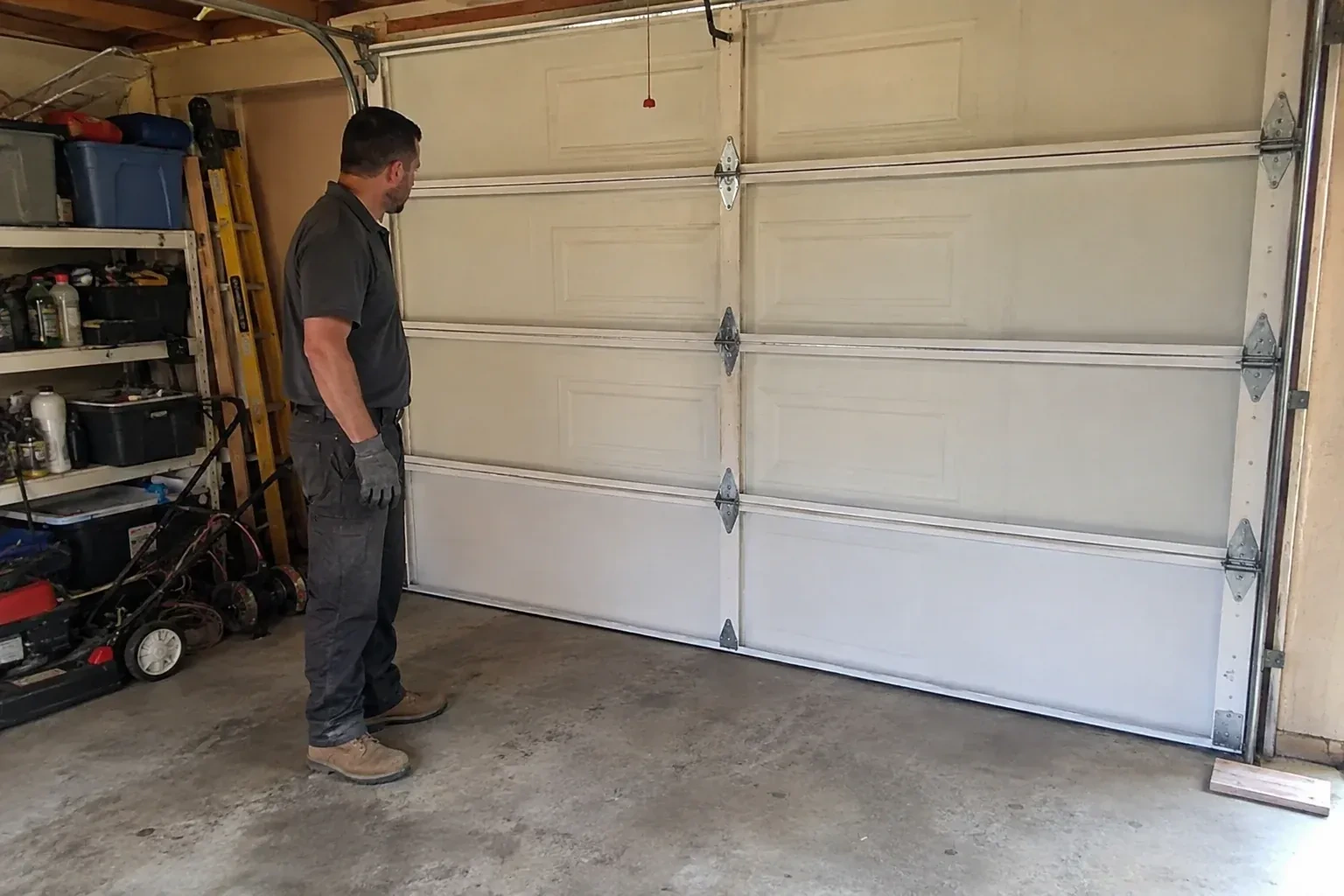
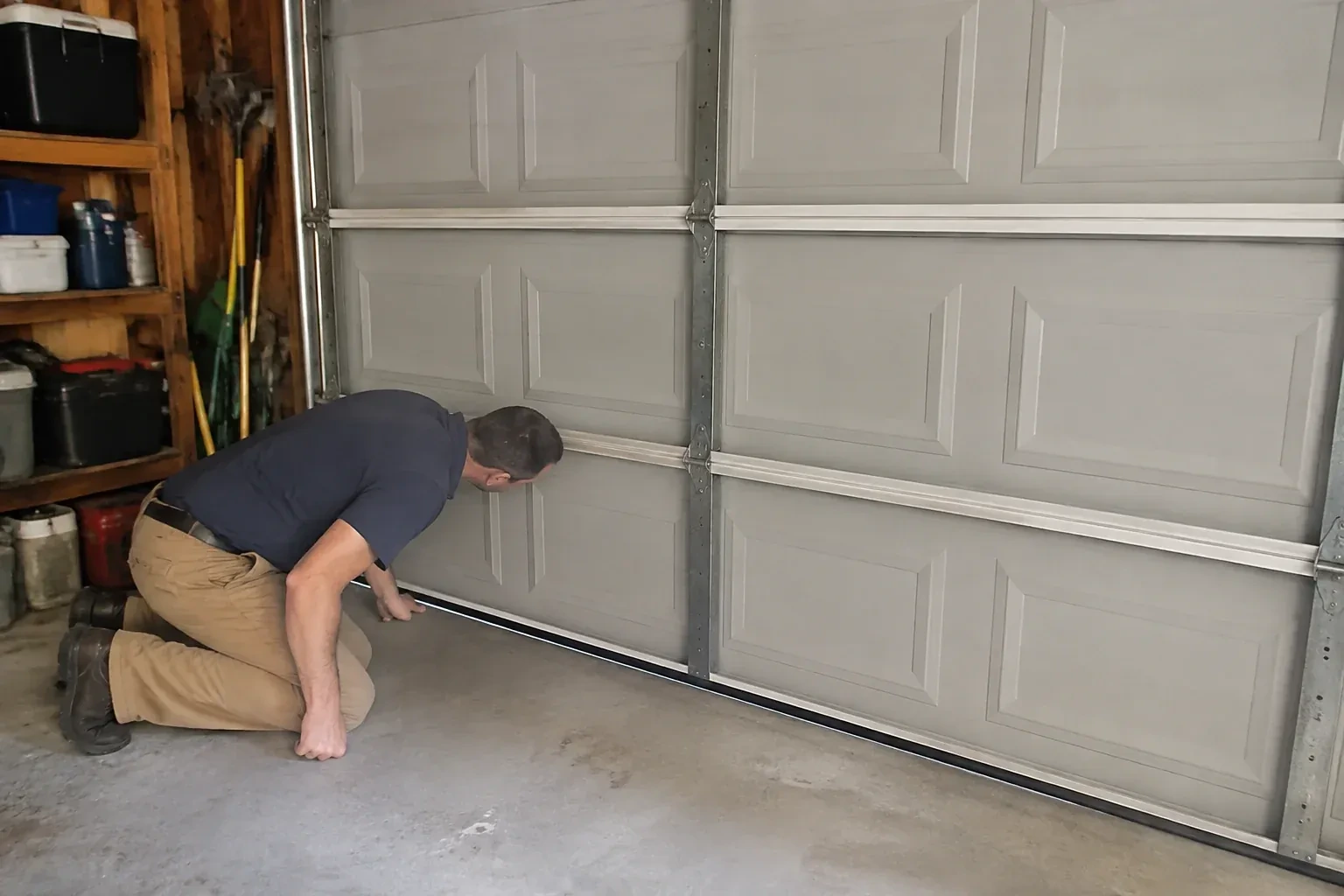
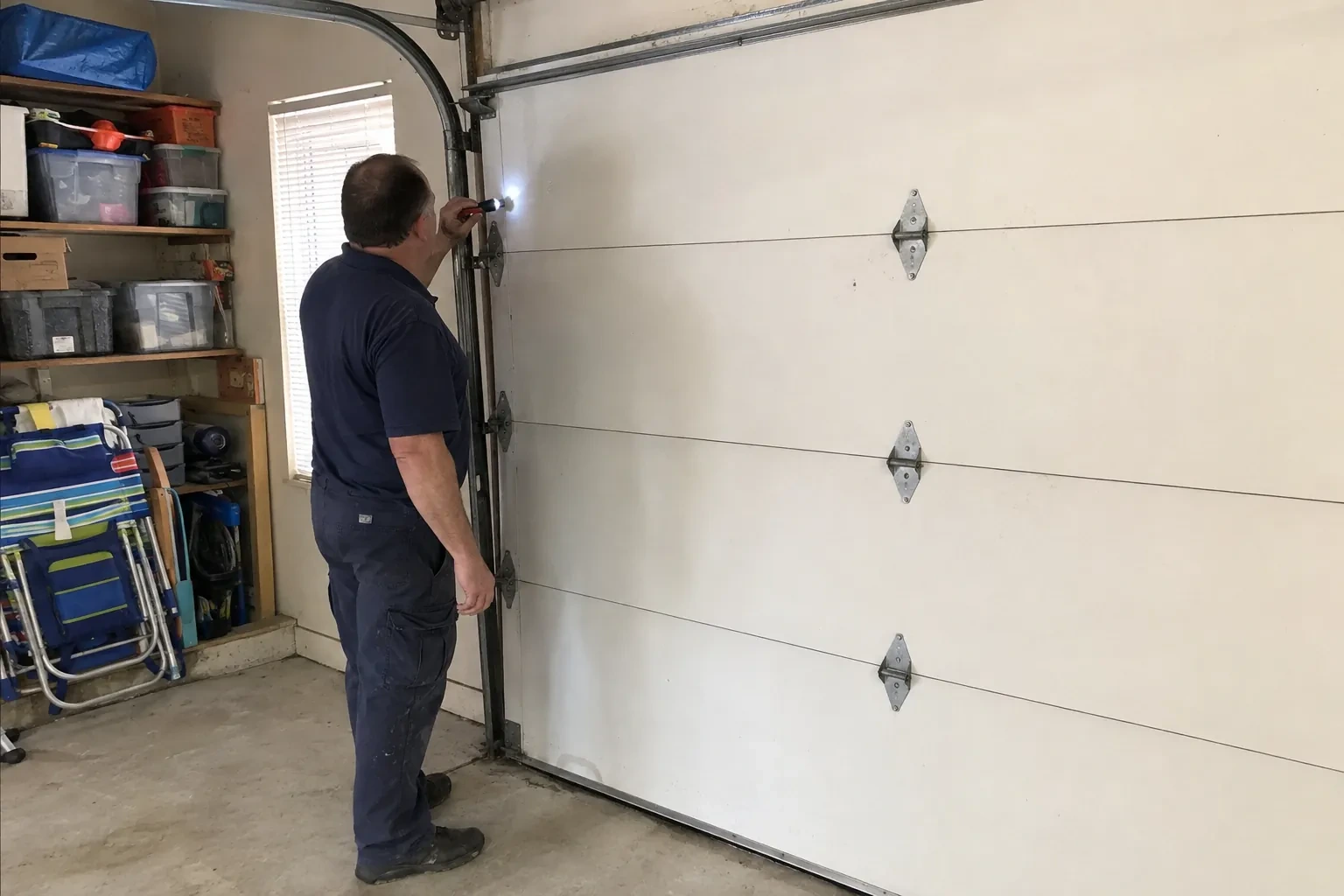
Every door in Normanhurst gets a safety check as part of the visit, whatever the reason we came. Photo-eyes are aligned, the auto-reverse is tested, the balance is confirmed and the cables are inspected. If something is close to failing, you hear about it plainly, with no pressure to act that day.
A second opinion on a garage door in Normanhurst is something we are happy to give. The technician looks at the door fresh, without assuming an earlier diagnosis was right or wrong, and explains what they see in plain language. Often the news is reassuring. Either way you leave the conversation with a clear picture and choices you understand.
29years in business
24/7open every day
The diagnosis first. No work begins until you have heard what we found and agreed on the plan. That is how we avoid surprises on both sides.
A clean finish. Grease wiped from the tracks, hardware tightened, tools packed, the space swept. Tidy work is part of doing the job well.
Options explained side by side. A modest repair, a lasting one, a full replacement: you see how they compare so the choice is yours to make.
Arrange a garage door check for your Normanhurst business.
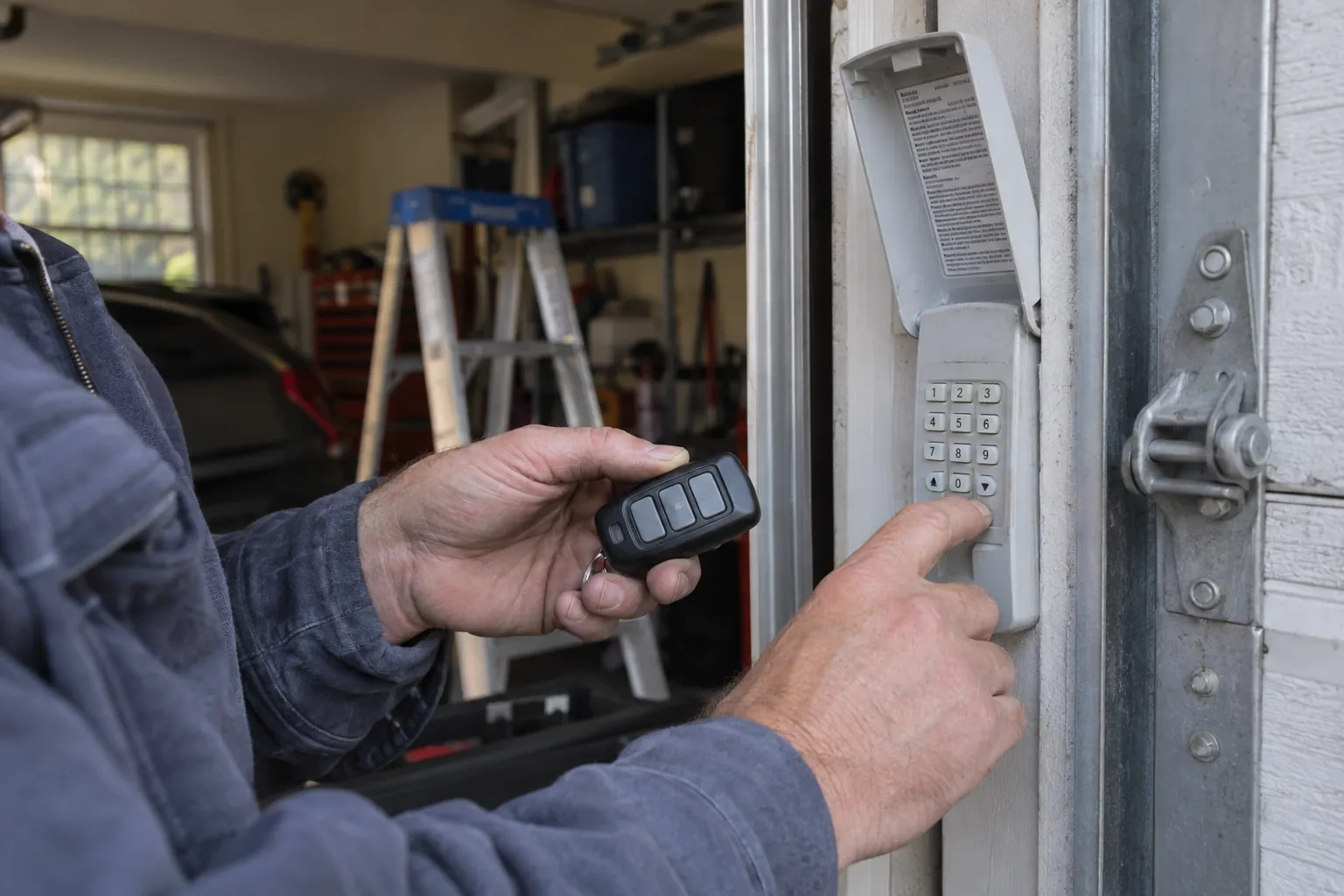
The services below are the ones we perform most often for garage doors in Normanhurst. Springs and cables top the list, followed by opener repairs, roller and hinge replacement, seal and weatherstrip work, balance and safety adjustments, remote programming and, when the time comes, new doors.
About 61% of homes in Hamilton were built in 1980 or earlier, according to the 2021 Census.
Older homes
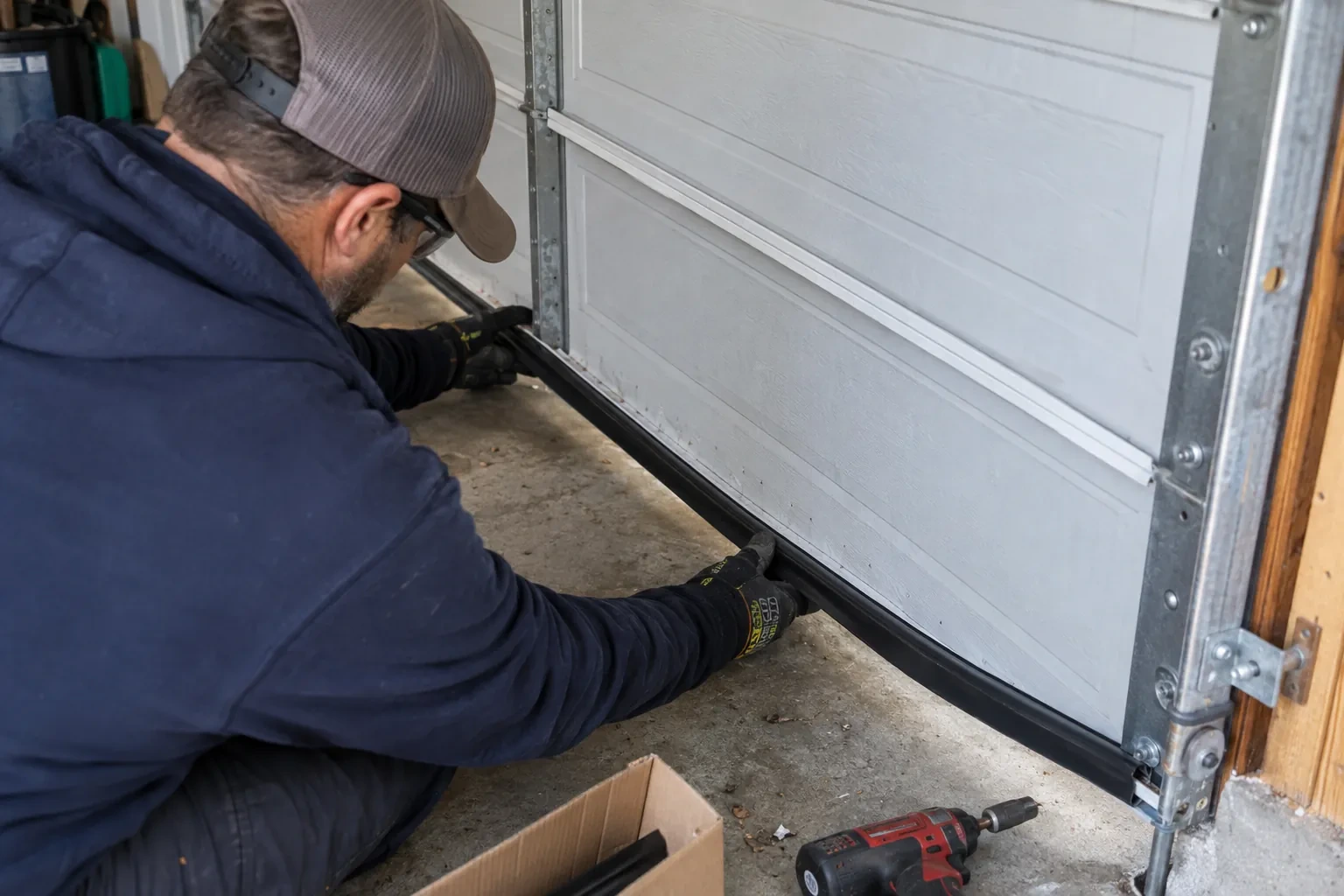
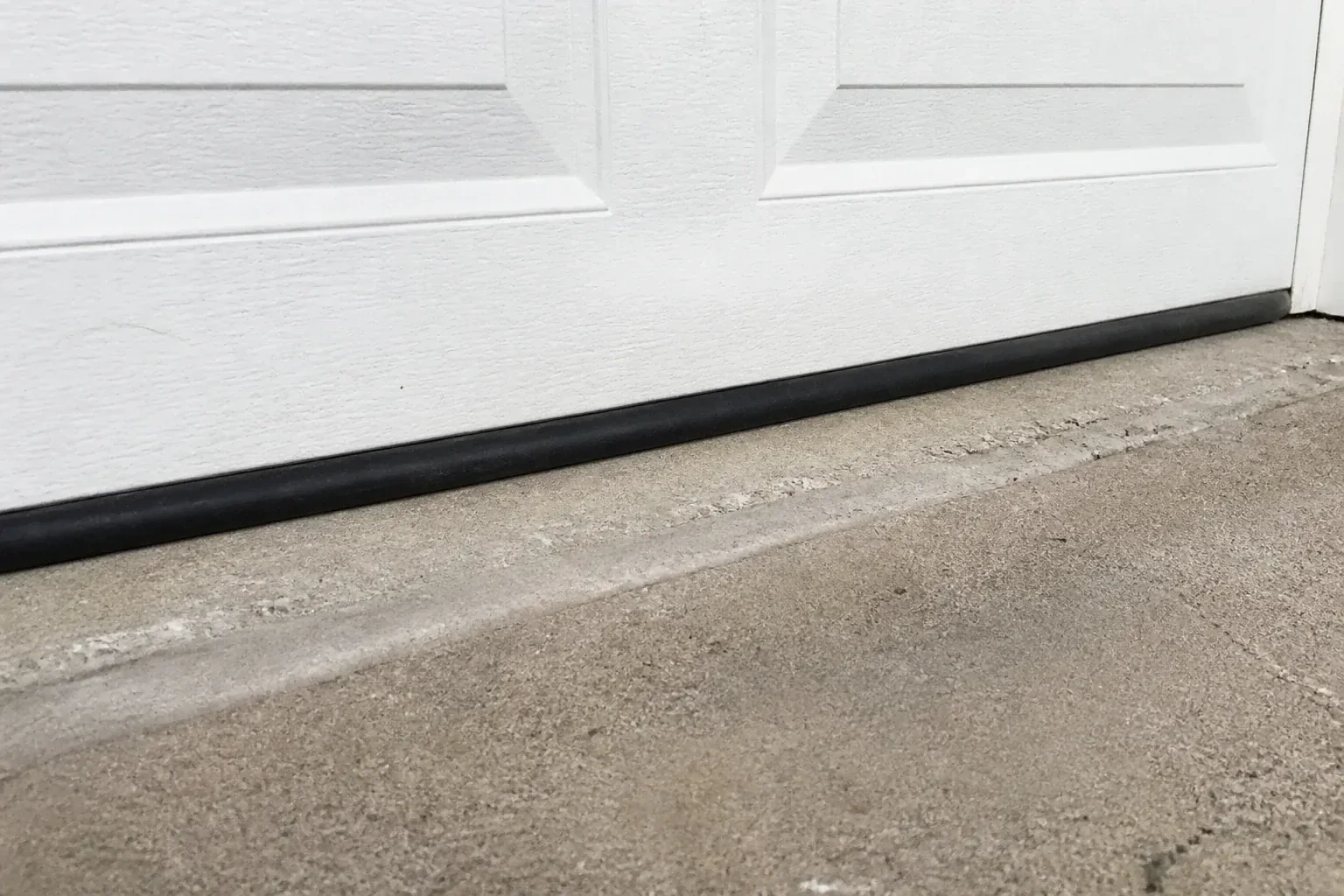
Decades of freeze and thaw work on the concrete apron in front of an older garage, and an uneven floor means the bottom seal meets a gap on one side. A thicker seal or an adjusted threshold closes it and keeps snow and cold air out.
Single-detached houses make up about 56% of homes in Hamilton (2021 Census).
A mixed neighbourhood is where weatherproofing varies most. A detached garage with an old, uneven apron needs a thicker bottom seal; a newer townhouse door mostly needs a cracked section of seal replaced. We look at how each door meets its floor and fit what closes the gap.
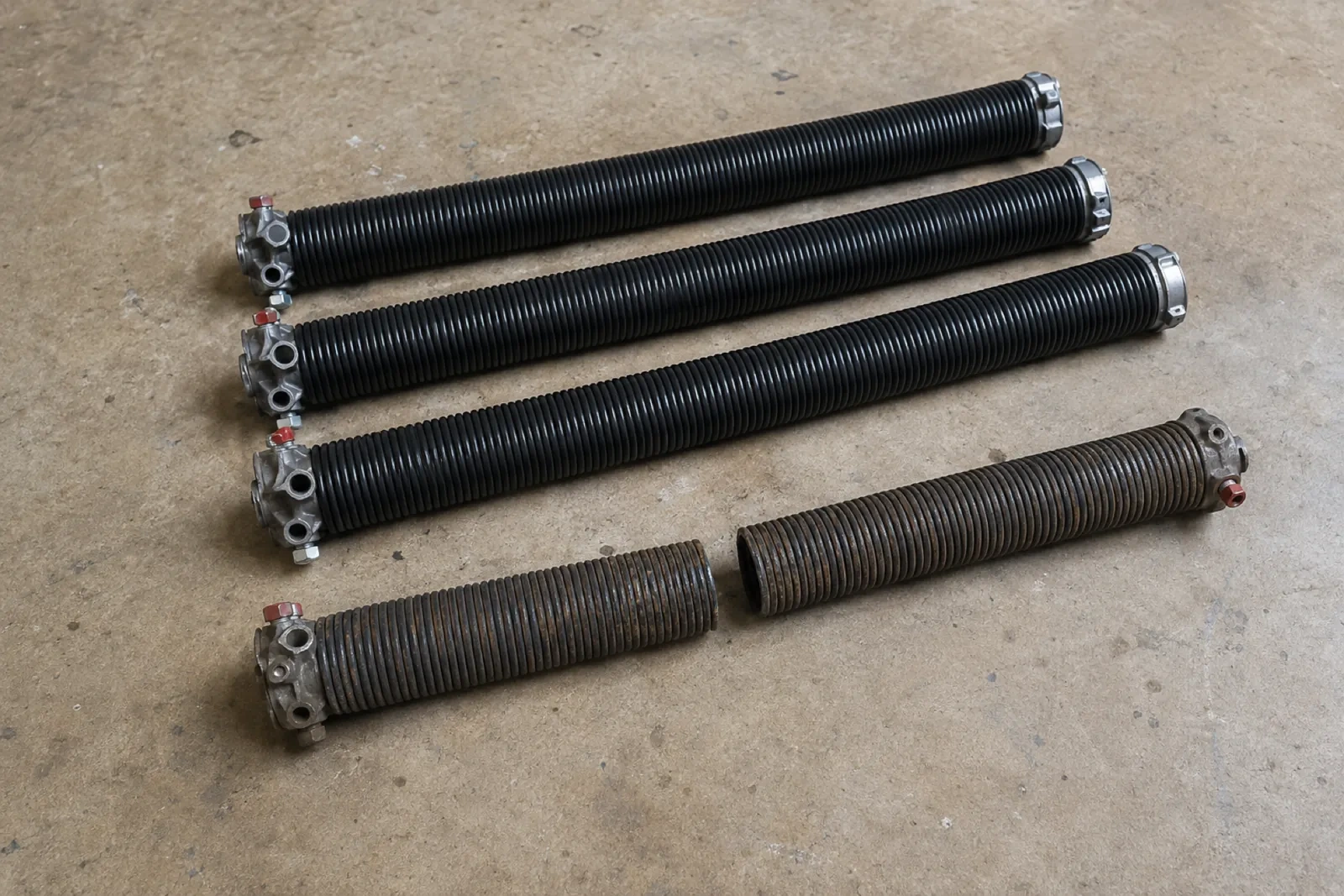
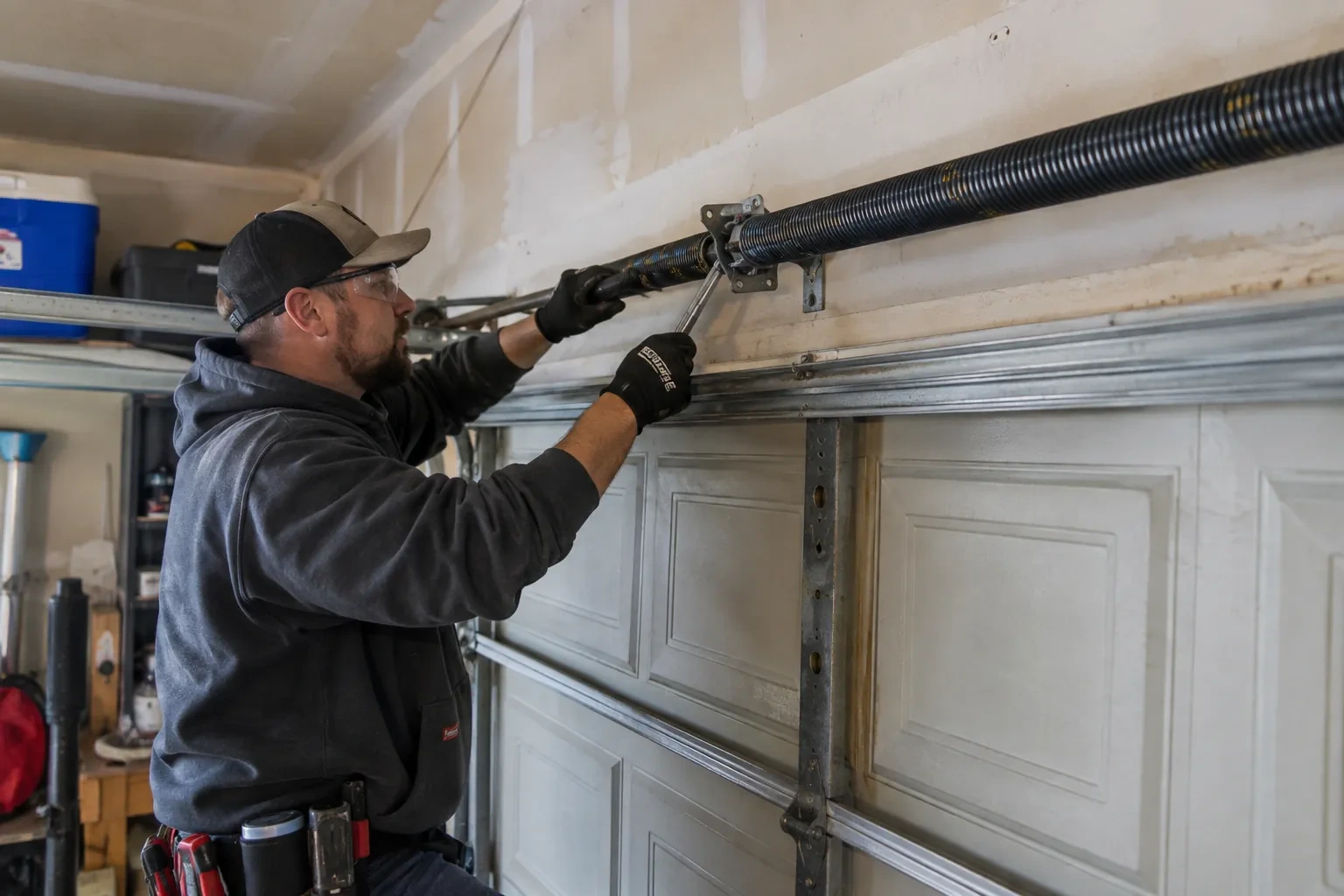
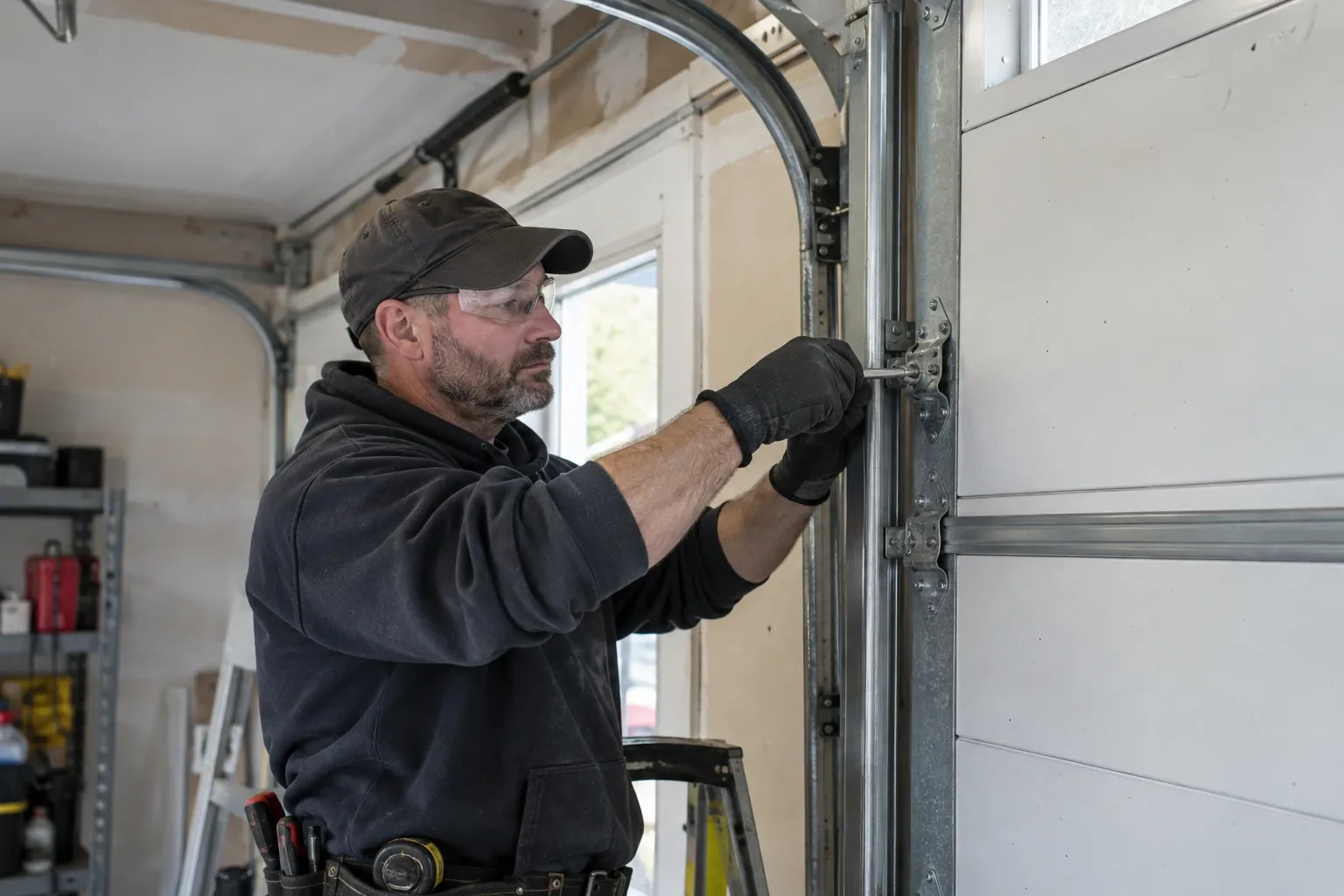
Replacing springs is precise work: measure the old spring, calculate the new one, wind to the correct turns, then confirm balance across the full travel. This group covers that and the cables that go with it.
WhyFor a design-led build, the garage door is both exterior architecture and moving equipment.
How a visit goes
Describe the property, the hardware and what has changed, and the visit starts from what you have seen.
01
First contact
Call or write with what you noticed. We will tell you what it likely means and what the visit will involve, so there are no surprises.
02
On-site assessment
The technician walks through the door's operation with you, then goes over each component, pointing out wear as they find it.
03
Repair and review
The agreed work is completed, the garage is left tidy, and the door is tested in both directions with you watching.
An entrance. Not an afterthought.
1/10Garage Door Safety Inspection
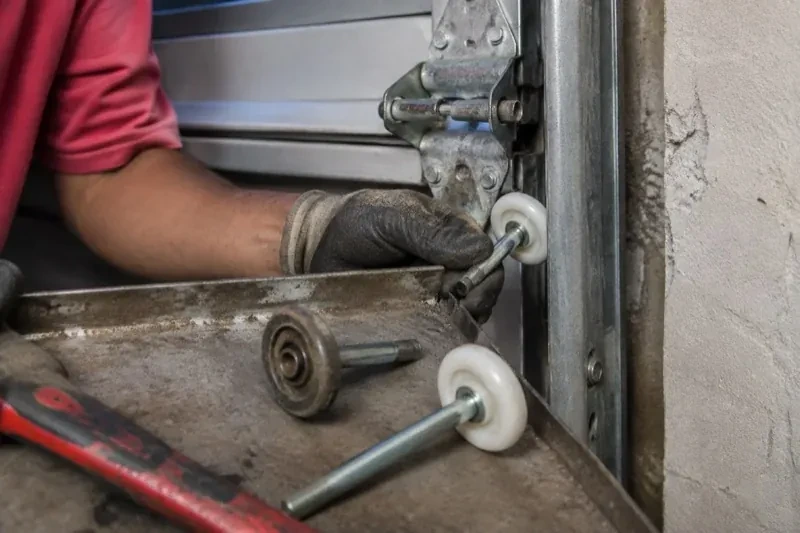
A tenant mentioned the door is louder than it used to be. From the driveway it looks fine, but on closer inspection the hinges near the floor are streaked orange and one roller wobbles as it turns.
It is a February morning and the key goes only halfway into the garage handle. Yesterday's melt ran down the door face and into the keyway, and overnight it set like glass. The key flexes; the cylinder stays put.
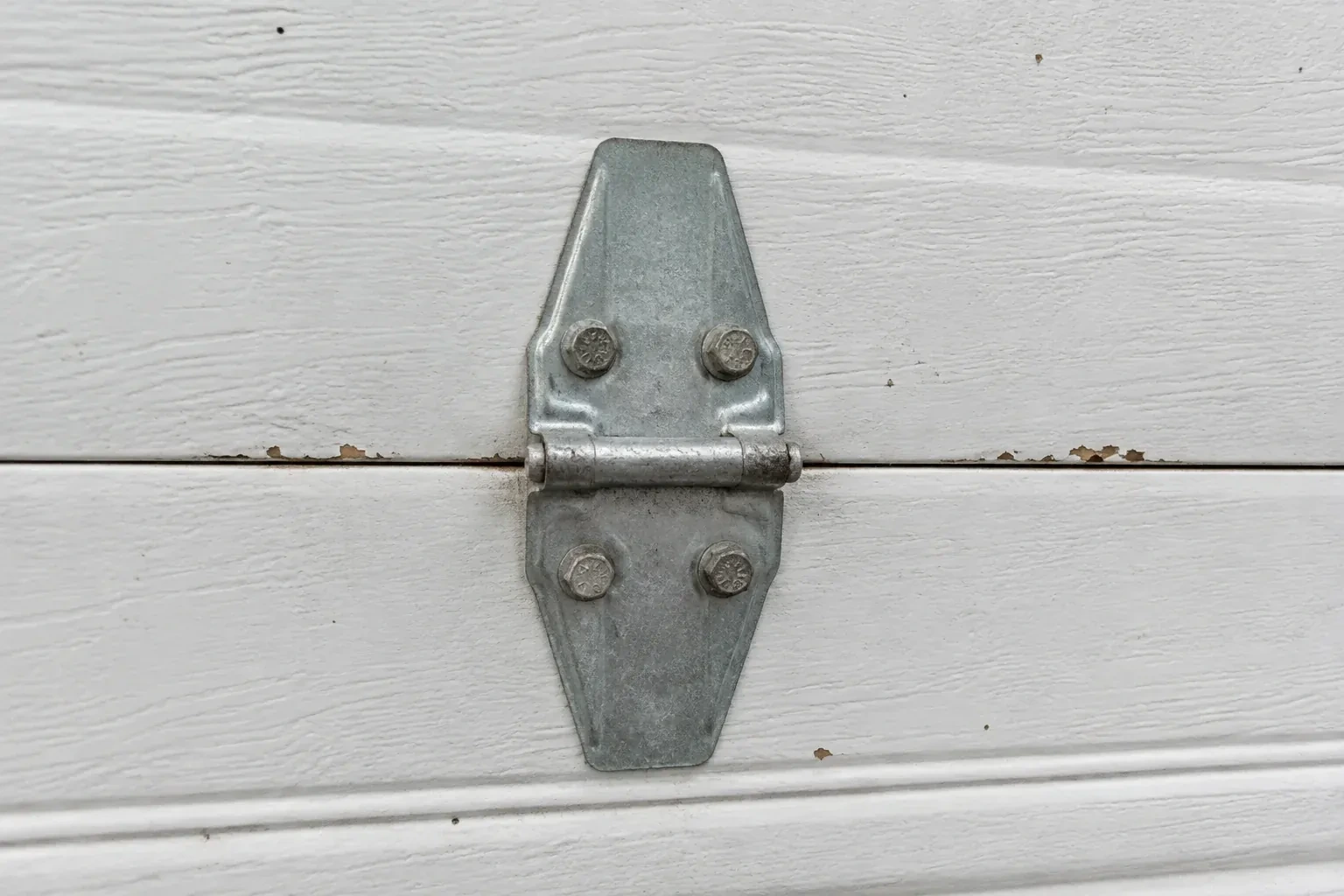
The car nudged the door on the way in. There is a dent low on one end, and above it the hinge that carries the roller is bent so the panel edges rub together and squeal as the door lifts.
The door went up as usual this morning, then stopped a third of the way with one corner higher than the other. It is wedged at an angle in the opening, the opener is humming, and nothing you press will move it.
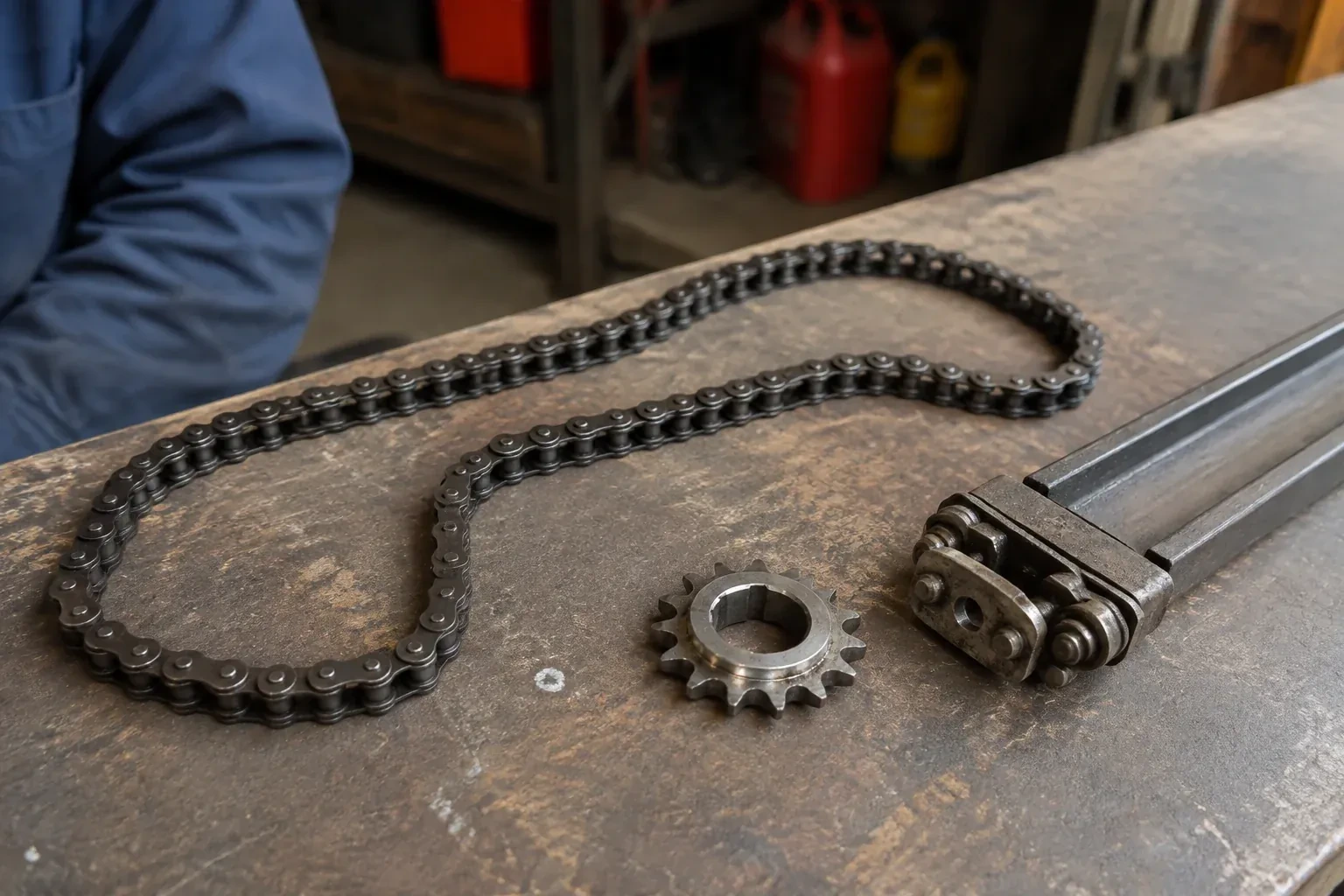
The motor runs, you can hear it working, but the door never moves. When you look up, the sprocket on top of the head is barely turning, and there is a little drift of pale plastic dust on the cover.
After a cold night the door stays open until the garage warms up. There is frost on the sensor lenses and a ridge of salty slush piled against the brackets where the snow blower was parked.
The bottom section has absorbed years of moisture and road-salt residue. Its edge is swollen, the seal retainer is failing, and the door leaves an irregular gap across the floor whenever it closes.
The room above your attached garage stays chilly while the steel door below feels cold to the touch. Light shows at the edges, and every winter wind seems to find the gaps around the opening.
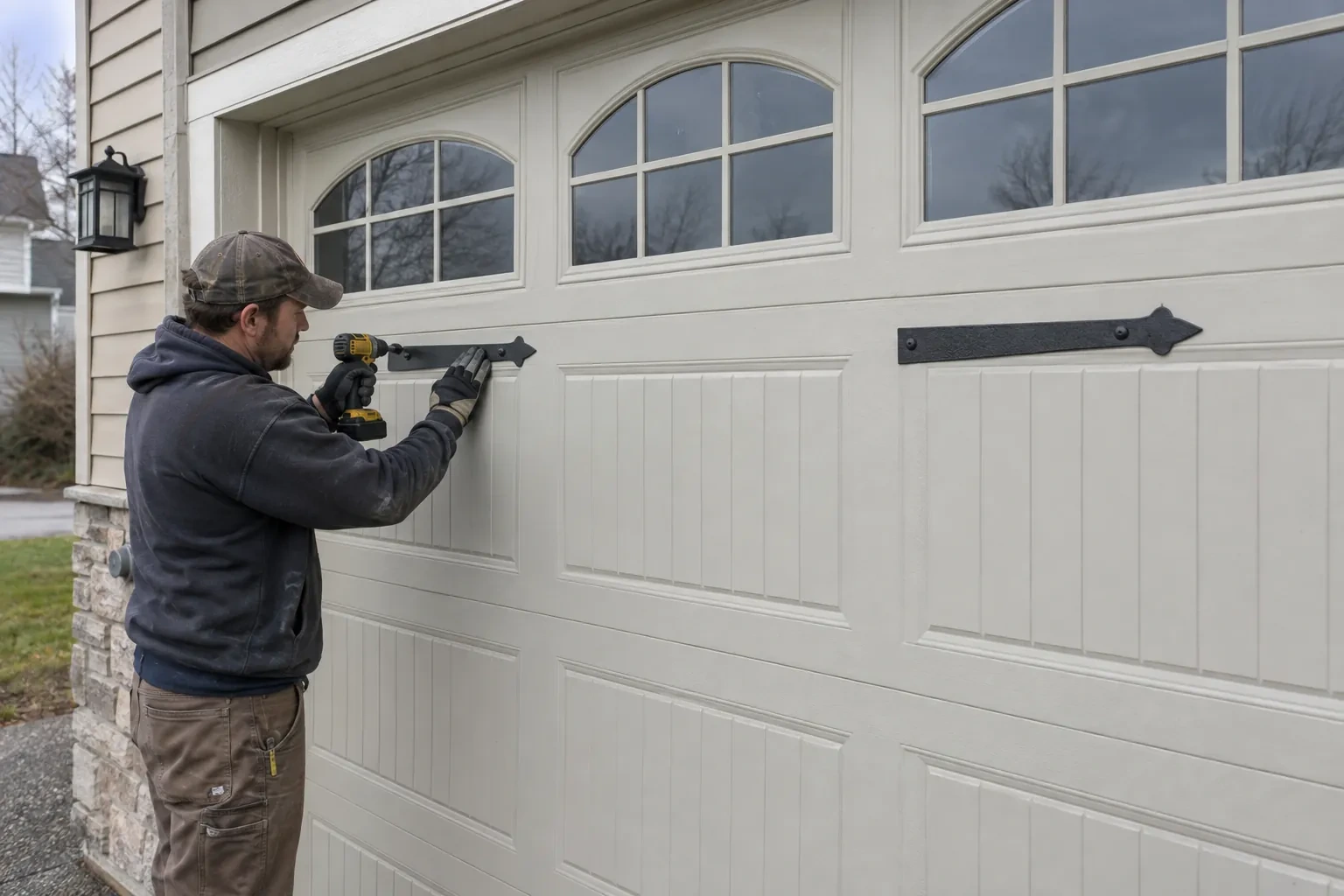
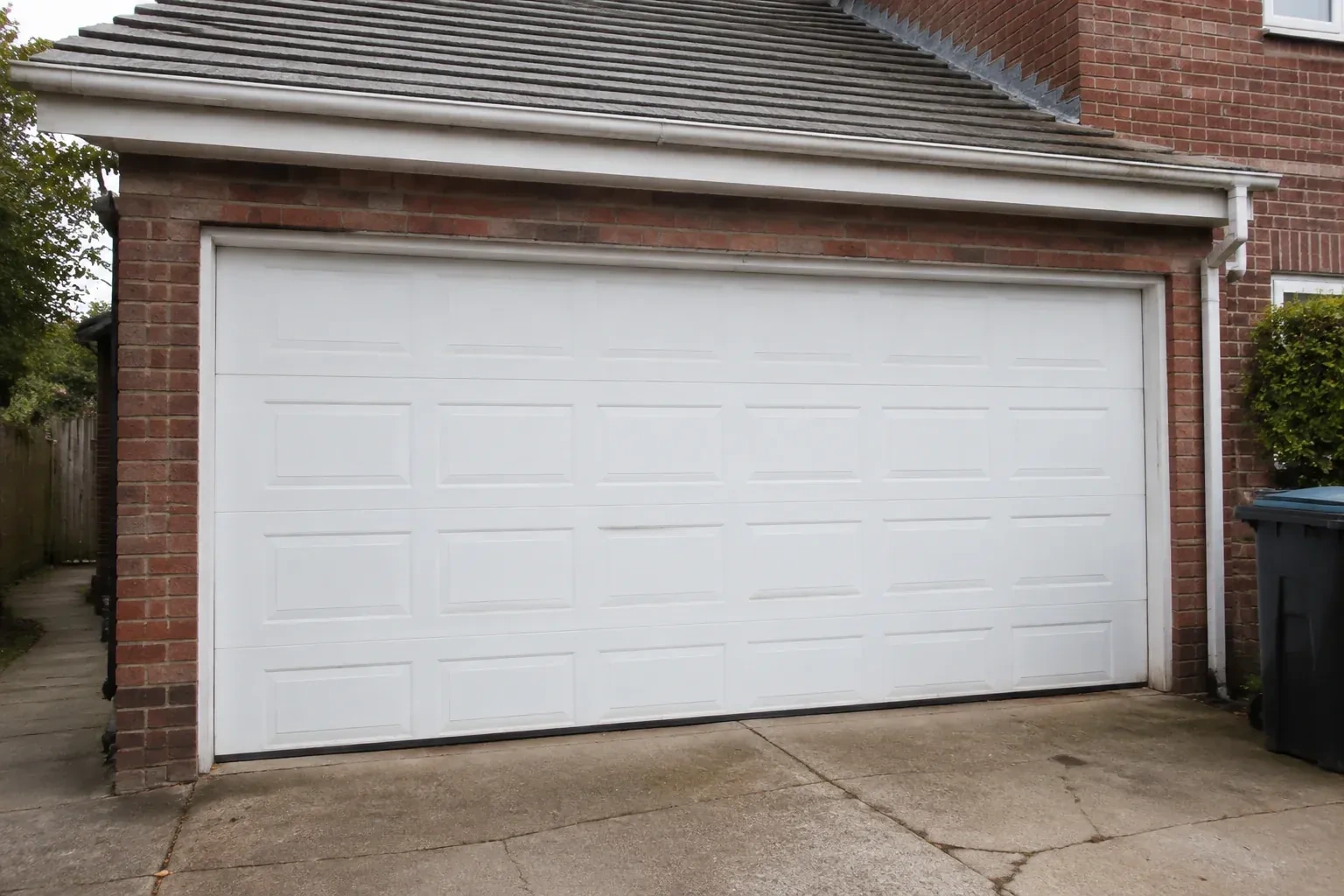
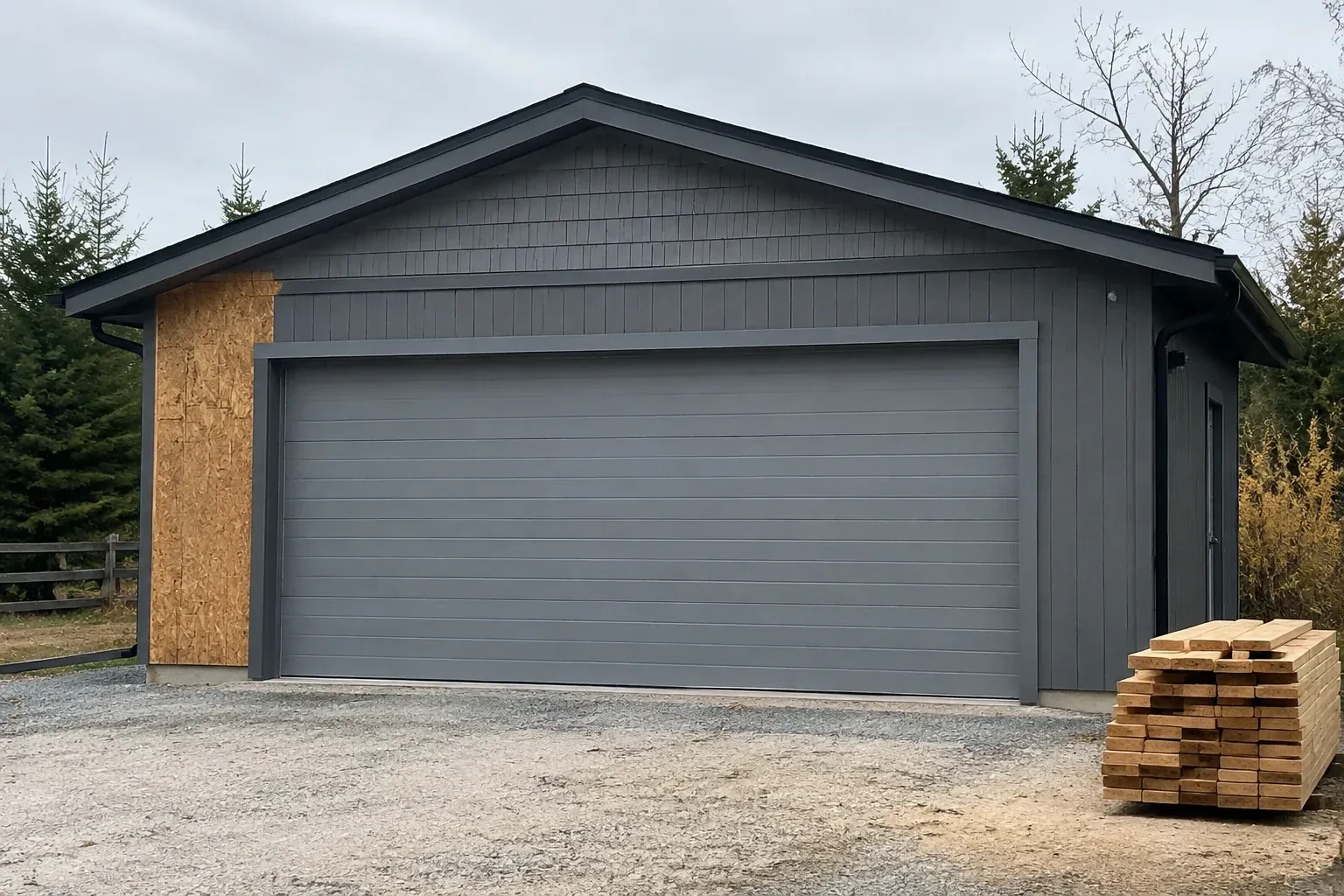
Two garage openings sit side by side, and small differences in window spacing or decorative hardware would be obvious. You are looking for a measured installation with aligned panels and balanced proportions.
The garage walls are framed, the roof is on and the opening is taking shape. Now the build needs a complete sectional door system measured to the finished width, height and surrounding clearances.
Why does my door reverse on the way down for no reason?
Most often it is the photo eyes. A sensor knocked slightly out of line, a lens with a film of road grime, a loose wire, or low afternoon sun shining straight into one eye will each break the beam as far as the opener is concerned. The next candidates are a down-force setting that has drifted, a binding roller or a door that has gone out of balance. The inspection checks each in turn.
How long does a manual lock repair usually take?
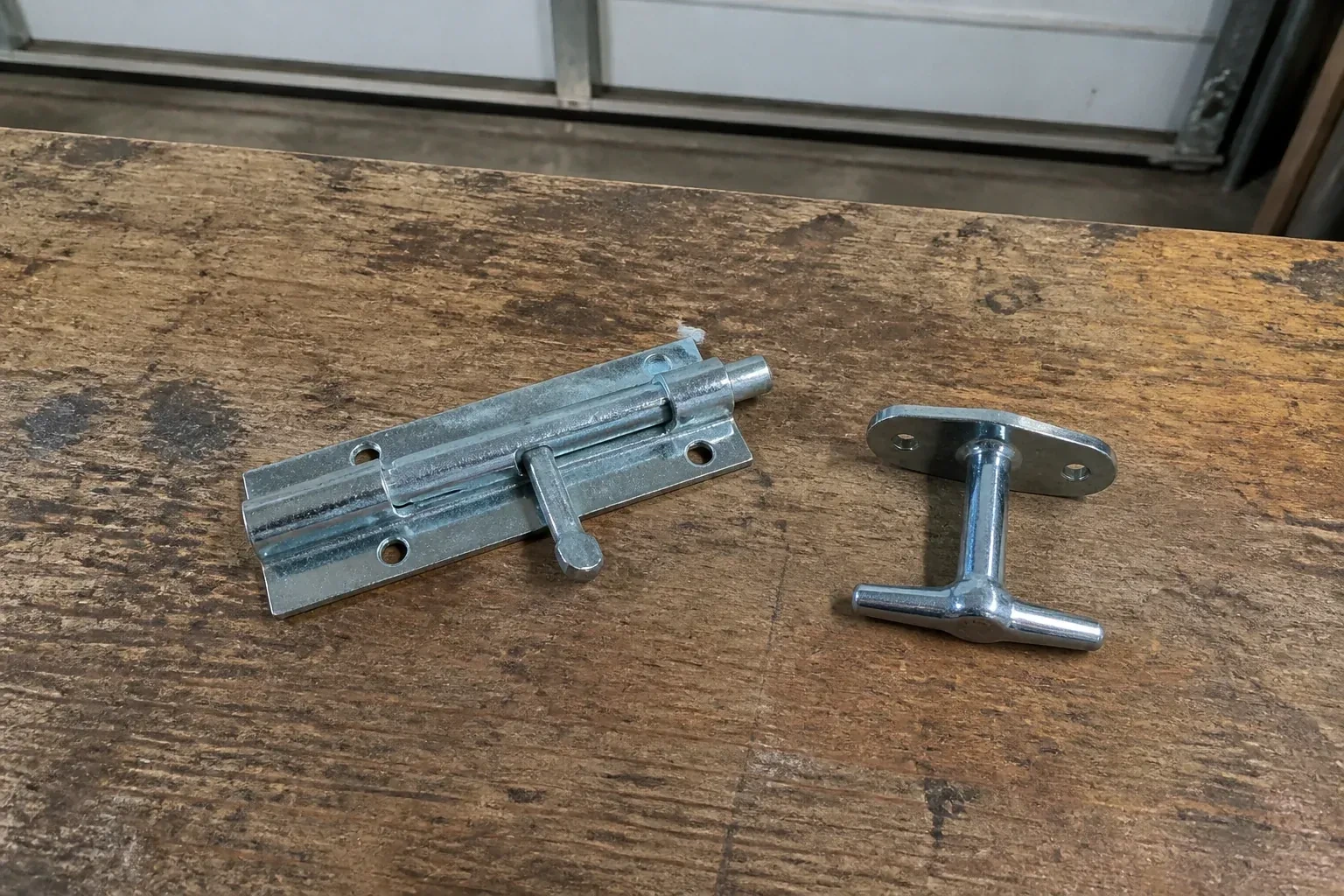
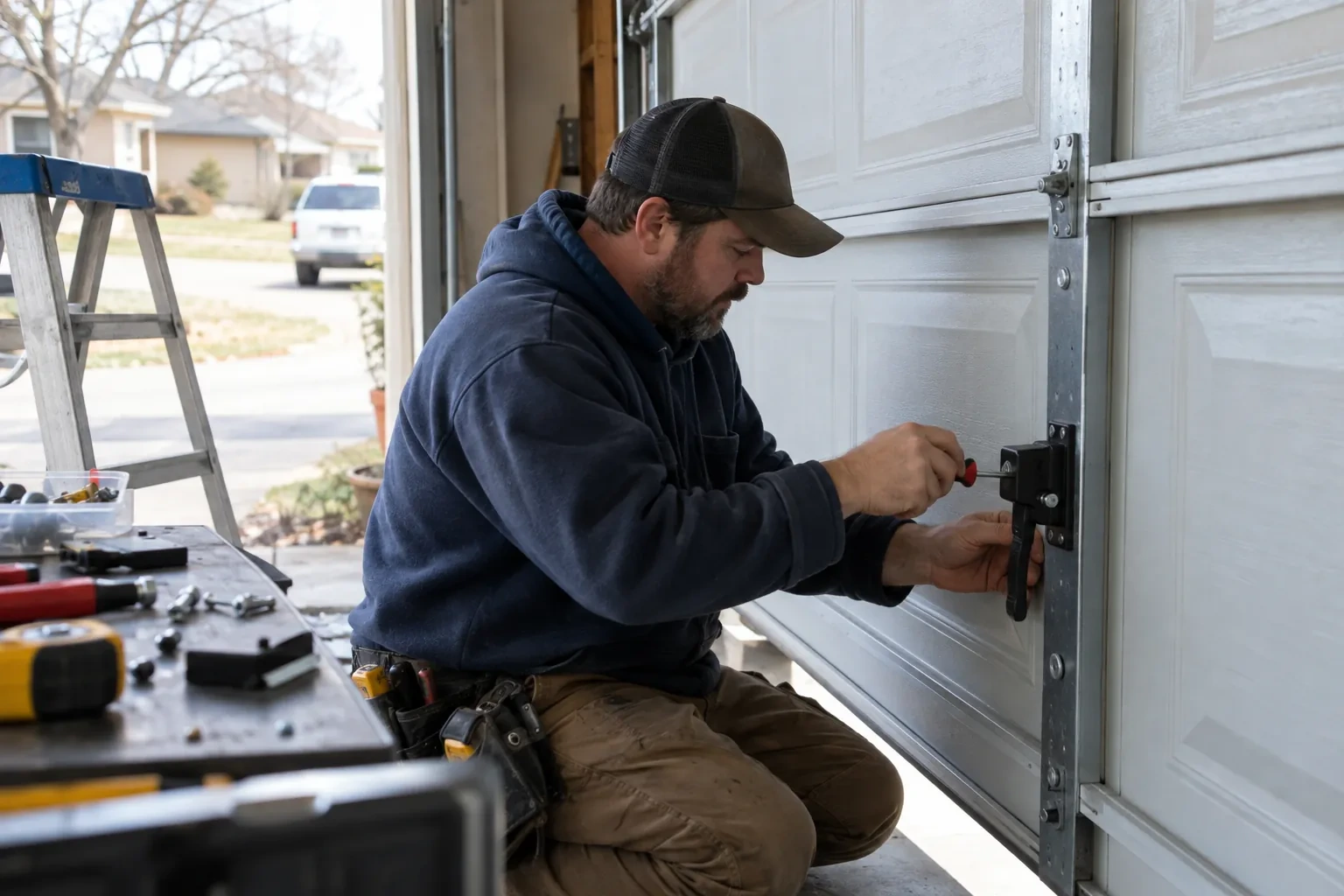
An adjustment to a slide bolt or a guide is a short job, while a full T-handle replacement with new bars, a rekey and a door alignment fills a longer visit. Most calls sit somewhere between, and the technician gives you a realistic sense of the time once the door has been looked at, rather than guessing from the phone.
Can I tighten loose hinge screws myself?
Yes, hinge screws are a homeowner task. Disconnect the opener, leave the door closed, and snug each hinge screw with a socket wrench without forcing it, since overtightening strips the hole. Leave the bottom brackets alone; they anchor the cables and are under spring tension. If a screw spins freely or a hinge is cracked, stop there and have it looked at, because a stripped hole needs a fresh anchor rather than more turns.
Should both cables be replaced when only one has failed?
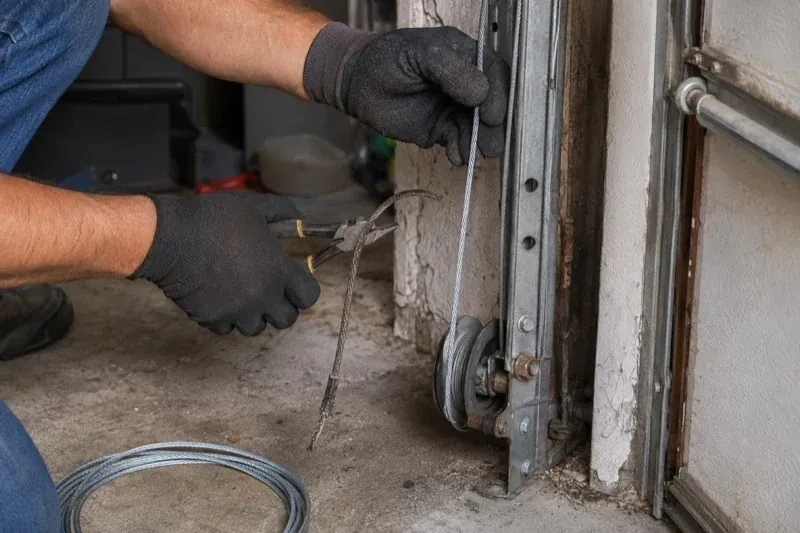
Yes, as a rule. The two cables were fitted together, have flexed around their drums the same number of times and have sat in the same slush, so the survivor is close to the end of its life. A new cable beside a stretched one also makes it harder to set the door level. Two matched cables give an even lift and one visit instead of two.
Why does the door open only partway and stop?
Three causes account for most cases. The up travel limit has drifted short and needs turning out. The door has become heavy or stiff somewhere in its travel, so the operator senses resistance and stops, which points to the springs, rollers or track. Or the chain has slipped out of phase with the motor, in which case the limit screws have no effect and the chain must be re-set on the sprocket with the trolley at the closed position.
How should I clean the lenses?
Gently, with a soft dry or lightly damp cloth, the way you would clean eyeglasses. Never scrape a lens or use a solvent, since a scratched or clouded lens scatters the beam. Wipe both sensors, then check that the receiving light comes on steadily. If a lens frosts on cold mornings, give it a few minutes to clear or dry it with a cloth. A quarterly wipe keeps dust, cobwebs and salt film from building up.
What panel materials are commonly available?
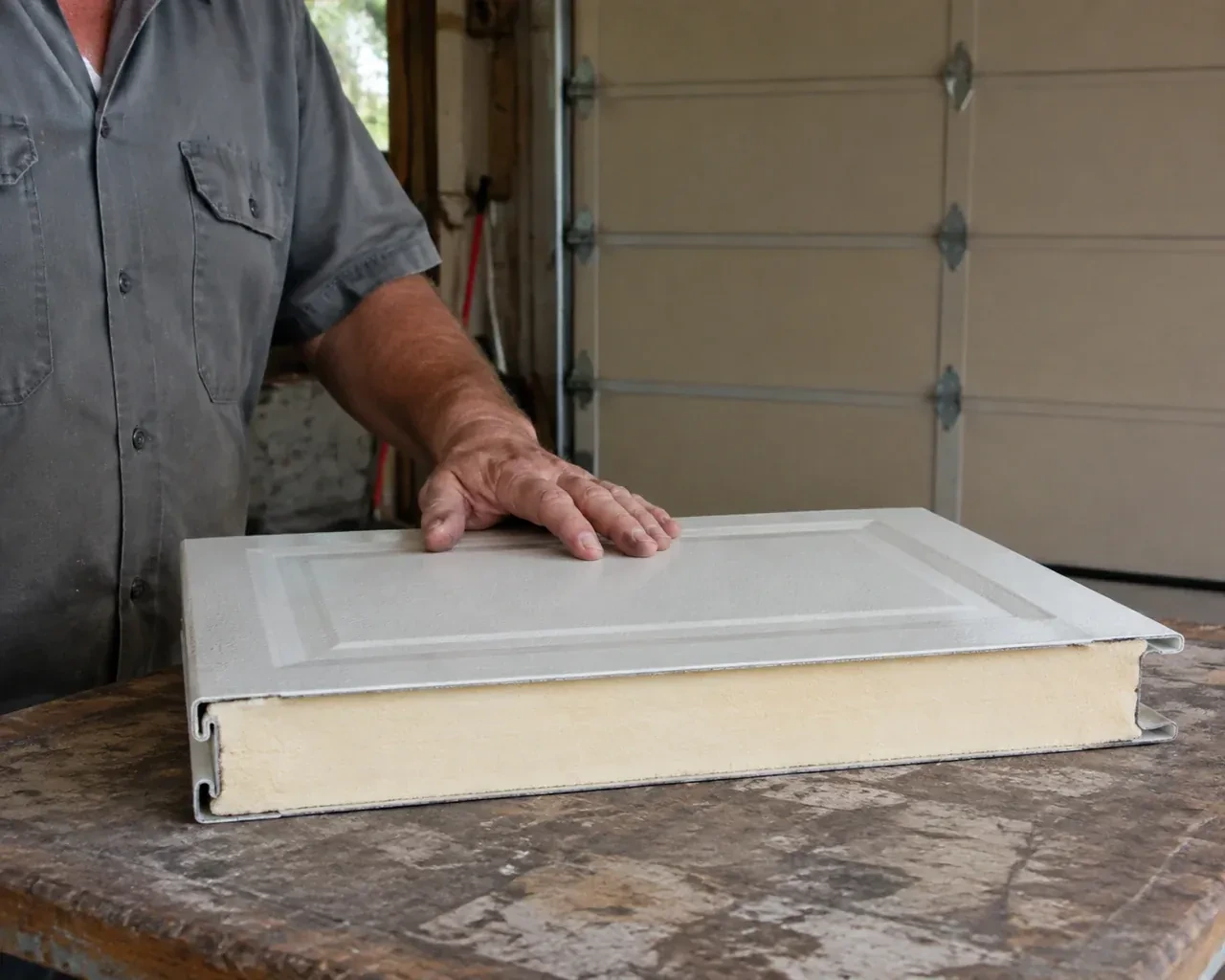
Sectional doors are commonly made with steel, aluminum, wood or composite construction, with model-specific finishes and insulation options. Each differs in weight, maintenance needs and appearance. The useful comparison considers exposure, desired style, garage use and available product data, then carries the chosen weight into the spring and hardware selection.
Can insulated doors include windows?
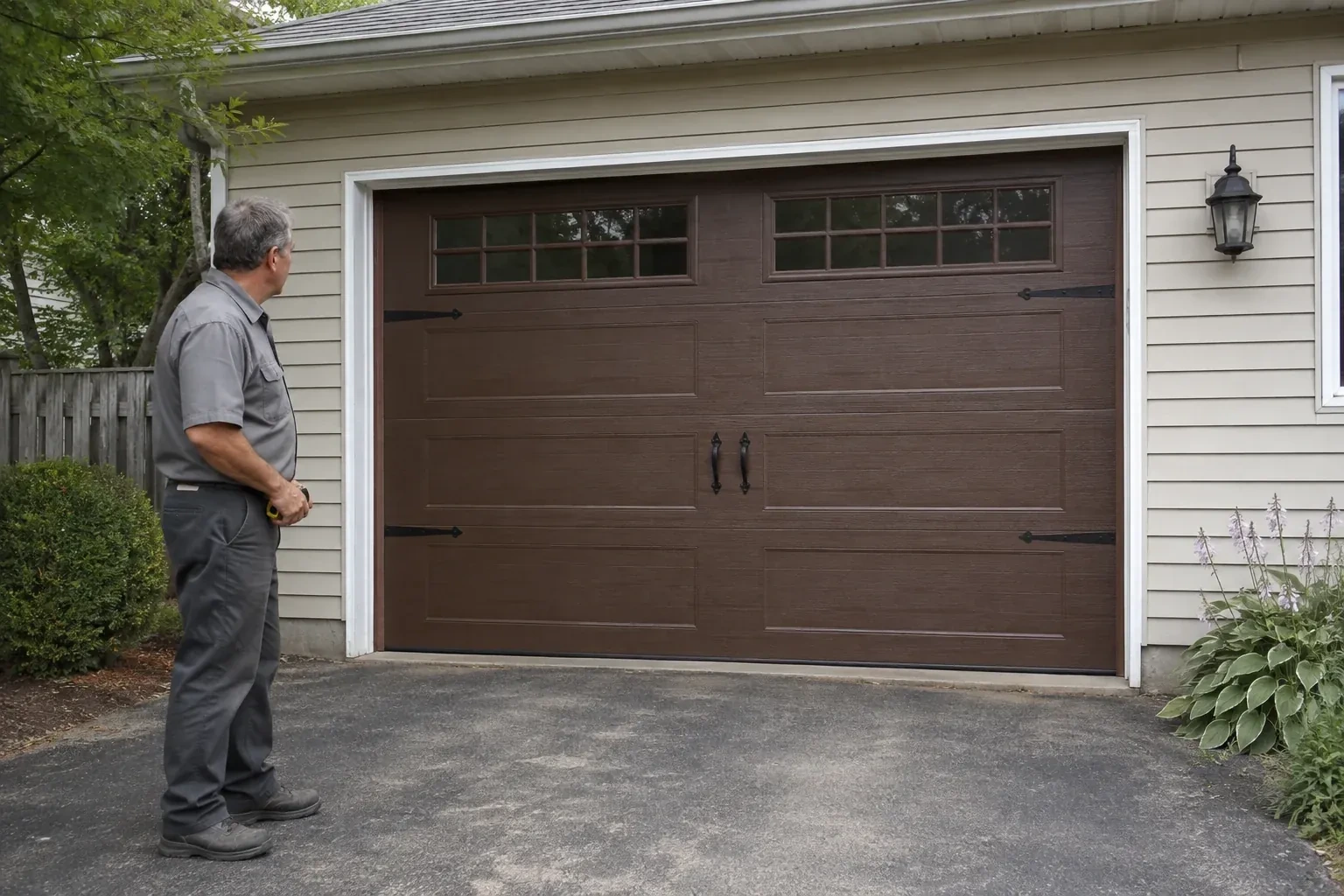
Yes. Windows are selected with the section design so their frames, glazing and reinforcement suit the door. Placement influences daylight, privacy, exterior proportions, thermal characteristics and completed weight. Single or multi-pane options may be available for a given model. Settling the layout before ordering lets the counterbalance and hardware specification account for the glazed sections from the beginning.
What information should I keep after the project?
Retain the door and opener instructions, product identifiers, colour or finish reference, glass selection, spring information and the final work record. Photographs of labels and the completed decorative layout can also help. This small file supports correct cleaning choices, makes later parts discussions more precise and gives future service technicians a clear account of the system originally installed.
What electrical preparation does a garage door operator need?
Preparation commonly includes a receptacle near the planned operator, a suitable mounting location and routes for the wall control and photoelectric sensor wiring. Exact electrical requirements follow the chosen equipment and project electrical design. Coordinating locations before drywall helps keep wires clear of tracks, springs and moving sections. The electrical trade and door installer should also agree who completes connections and when power becomes available for commissioning.
Request a visit
Every door in Normanhurst gets a safety check as part of the visit, whatever the reason we came. Photo-eyes are aligned, the auto-reverse is tested, the balance is confirmed and the cables are inspected. If something is close to failing, you hear about it plainly, with no pressure to act that day.