Garage Doors in Mount Hope, OntarioAn old opener,brought up to date.
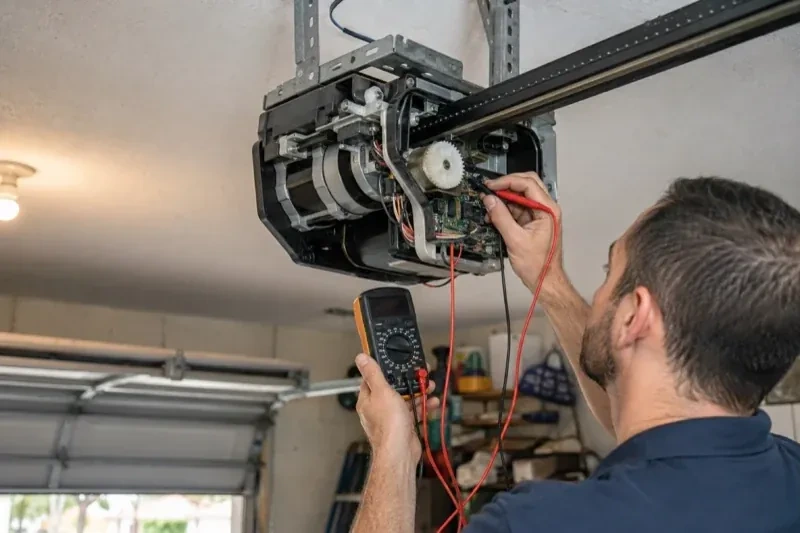
Many openers still running in Mount Hope predate photo-eyes and rolling-code remotes. Replacing one brings a quieter motor, a battery backup for power cuts, sensors that stop the door for a child or a pet, and remotes that cannot be copied from the driveway, all installed and tested in a single visit. The same crew covers Glanford Station and Tyneside.
Many openers still running in Mount Hope predate photo-eyes and rolling-code remotes. Replacing one brings a quieter motor, a battery backup for power cuts, sensors that stop the door for a child or a pet, and remotes that cannot be copied from the driveway, all installed and tested in a single visit. The same crew covers Glanford Station and Tyneside.
Residential and commercial doors, serviced properly.
Our commercial customers in Mount Hope run shops, warehouses and service bays that depend on their doors. We set up maintenance visits at intervals that suit the door's cycle count, keep records of the springs and operators on each door, and turn up with the right parts so downtime stays short.
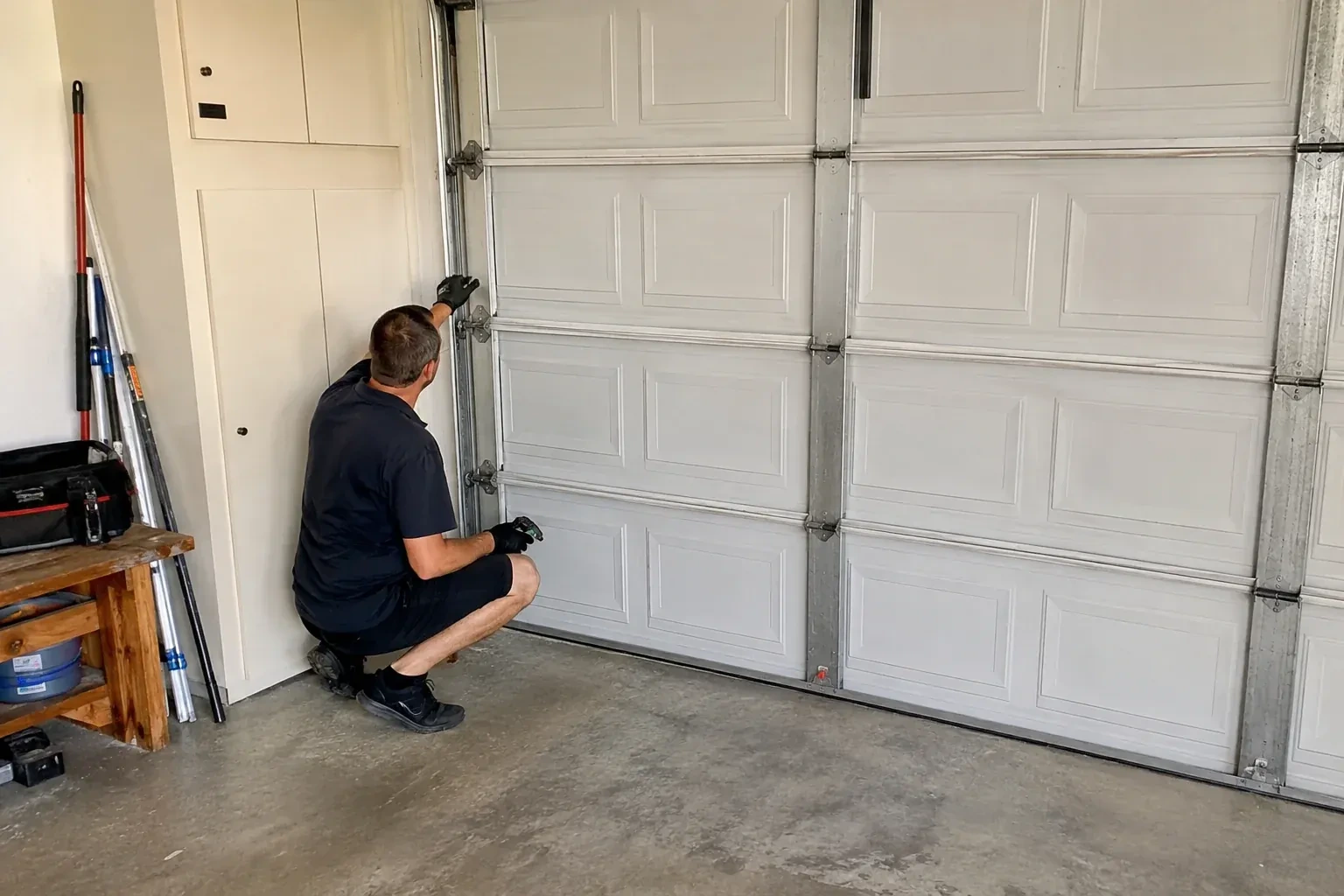
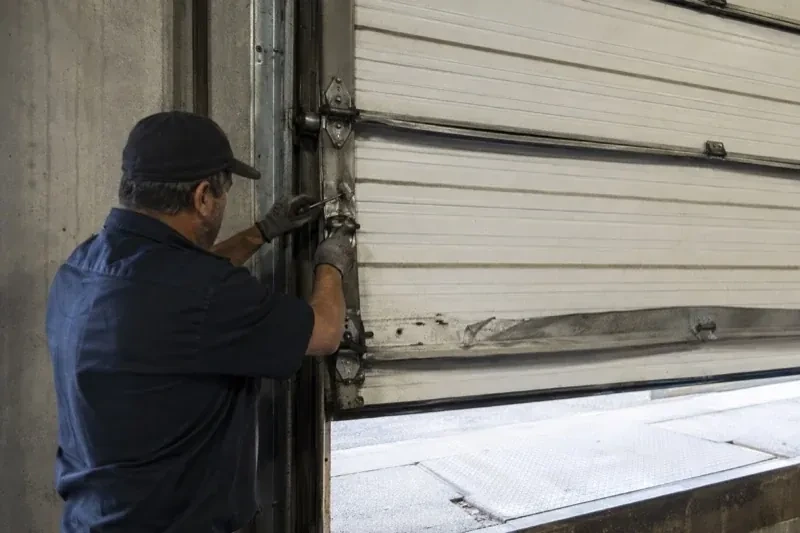
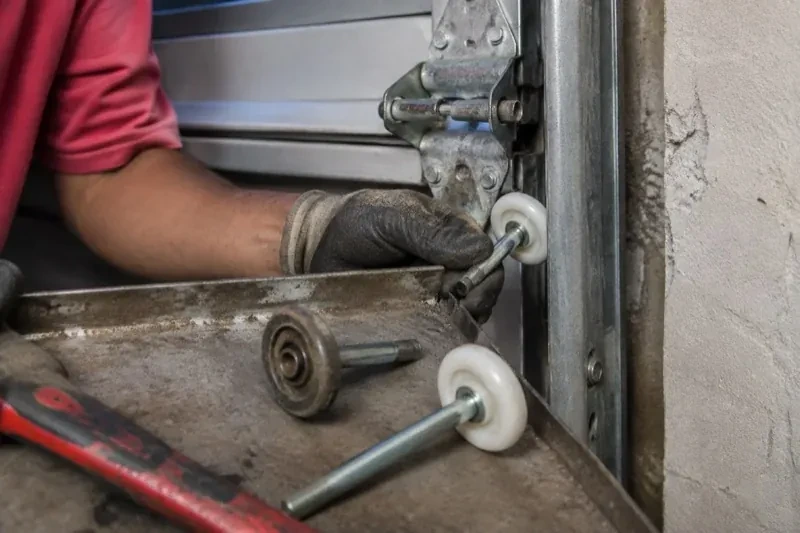
A garage door that jumps its track in Mount Hope is a common call, especially after a bump from a bumper or a cable that slipped its drum. We secure the door before anything else, lift the sections back into the track, and look for what forced the roller out so the problem does not simply return. The whole door is checked and tested before we leave.
29years in business
24/7open every day
The diagnosis first. No work begins until you have heard what we found and agreed on the plan. That is how we avoid surprises on both sides.
A clean finish. Grease wiped from the tracks, hardware tightened, tools packed, the space swept. Tidy work is part of doing the job well.
Options explained side by side. A modest repair, a lasting one, a full replacement: you see how they compare so the choice is yours to make.
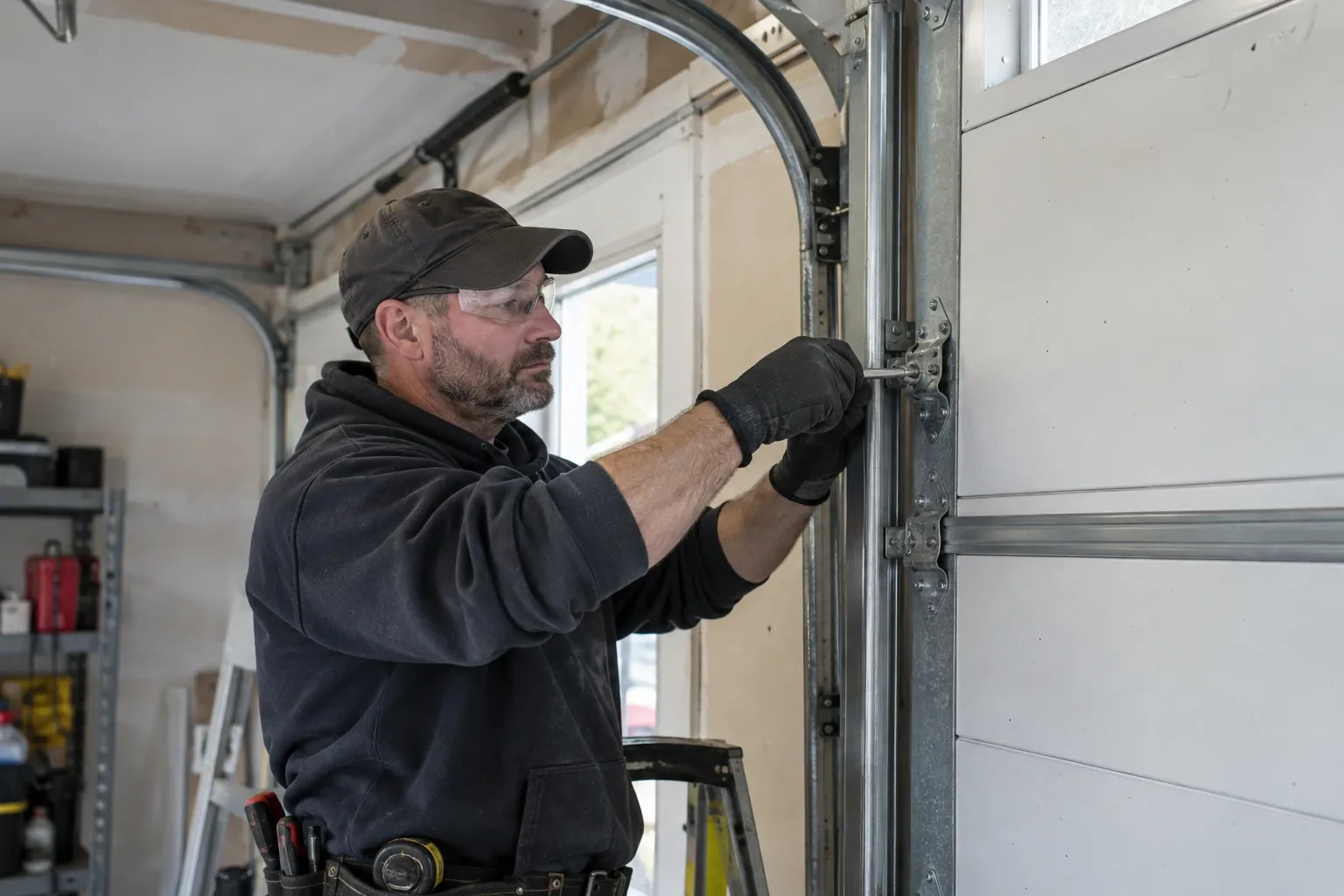
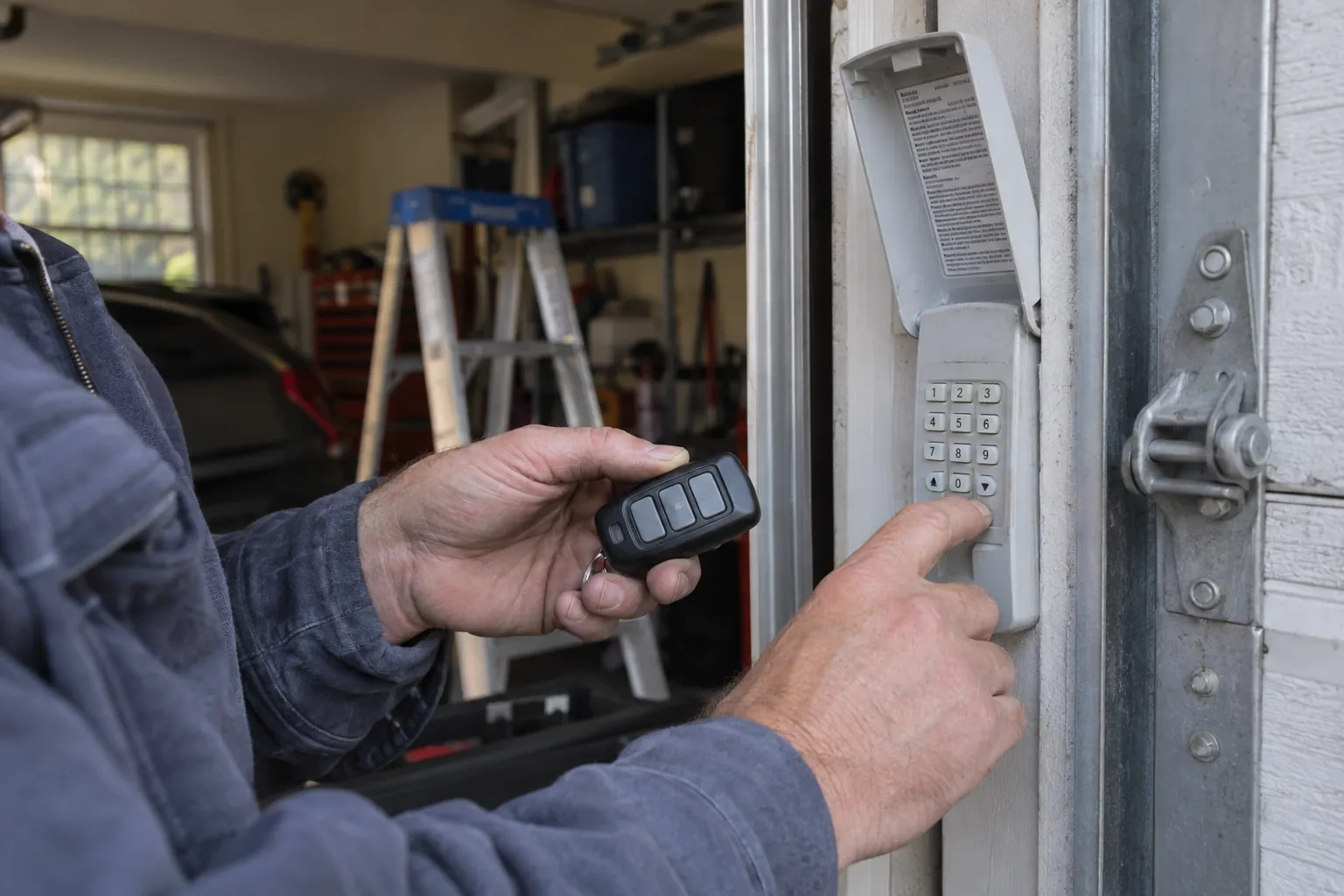
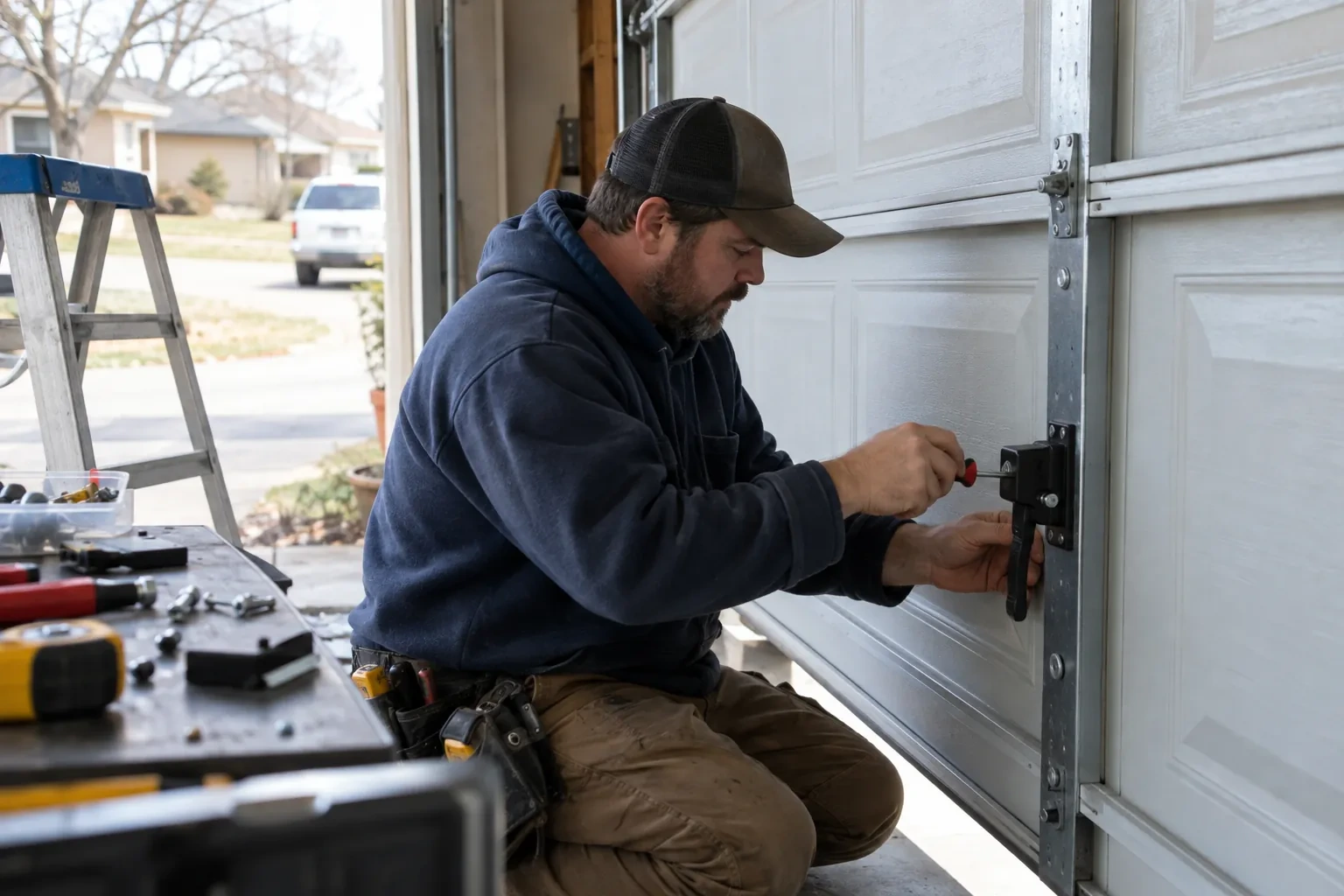
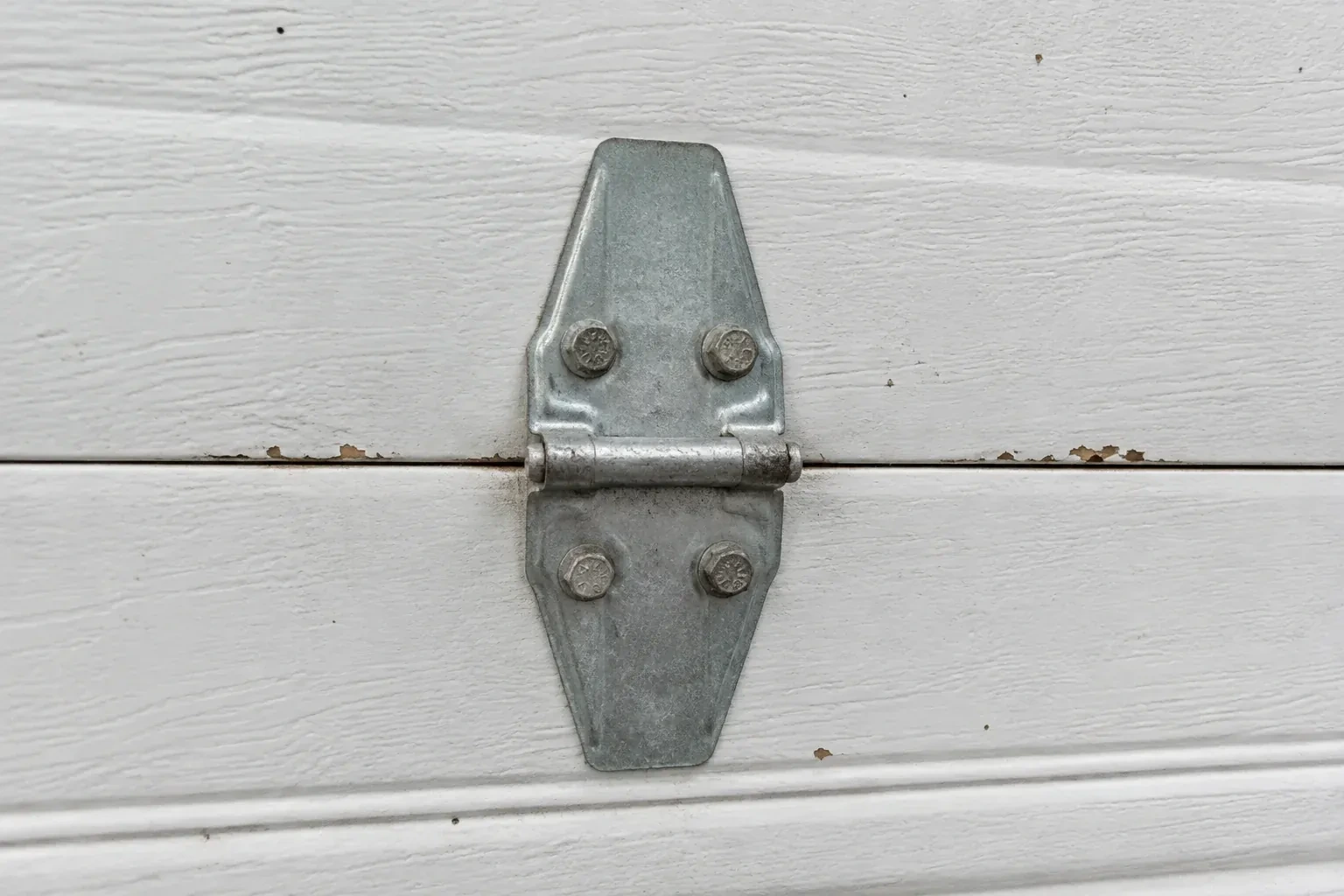
Garage door work for Mount Hope divides neatly into what we fix, what we replace and what we install. We fix tracks, hinges, openers and panels; we replace springs, cables, rollers, seals and sensors; and we install new doors, new openers and access equipment such as keypads and smart controllers.
About 61% of homes in Hamilton were built in 1980 or earlier, according to the 2021 Census.
Older homes
Wood door frames in an older house settle and swell over the decades, which can leave a door rubbing on one side. Rather than forcing the opener, the technician trues the tracks, adjusts the jamb seals and sets the door so it travels freely again.
Single-detached houses make up about 56% of homes in Hamilton (2021 Census).
In mixed neighbourhoods, noise matters differently from one address to the next. A detached house with a bedroom above the garage and a townhouse with a neighbour through the wall both benefit from a belt-drive opener and nylon rollers, and we explain the difference either way.
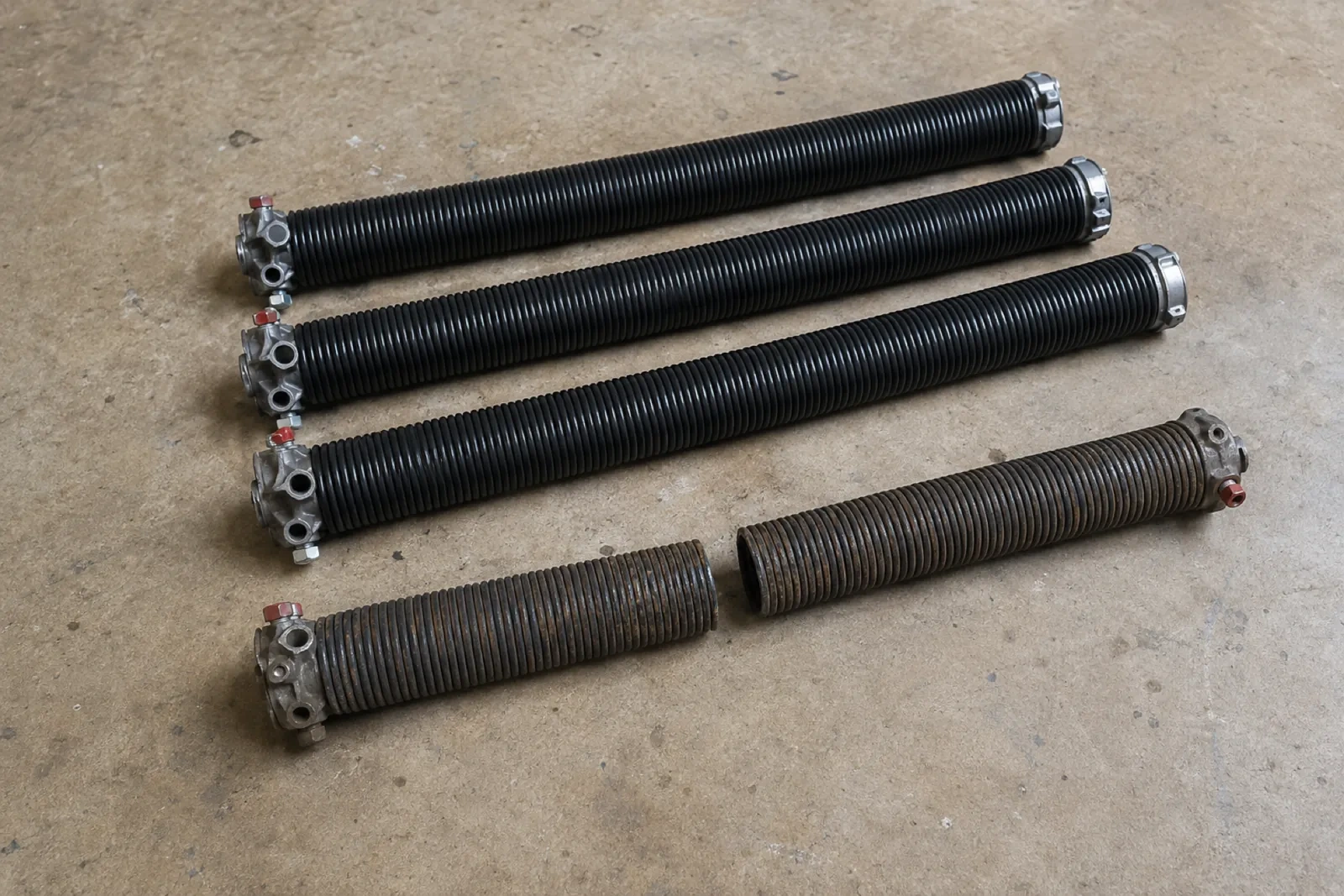
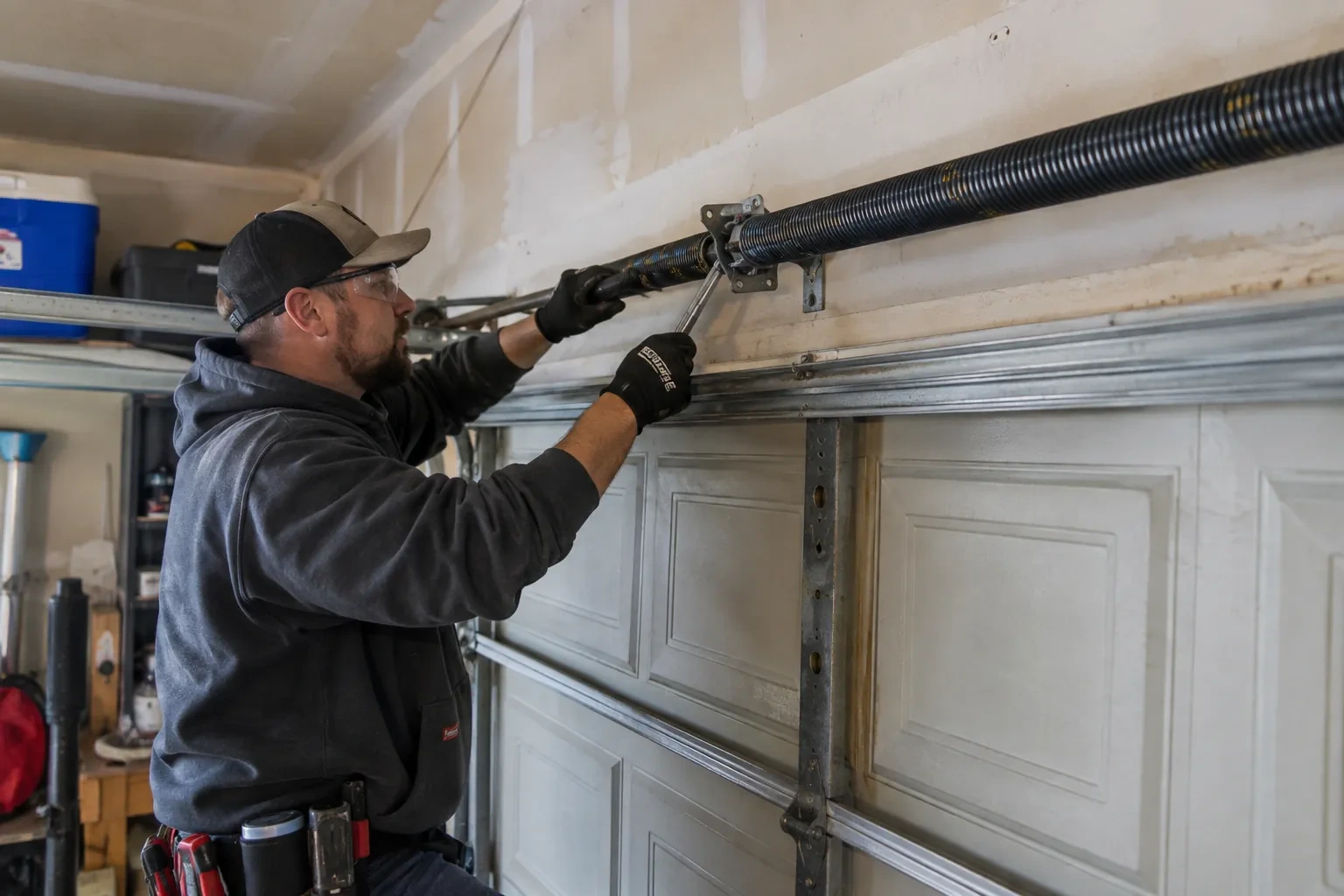
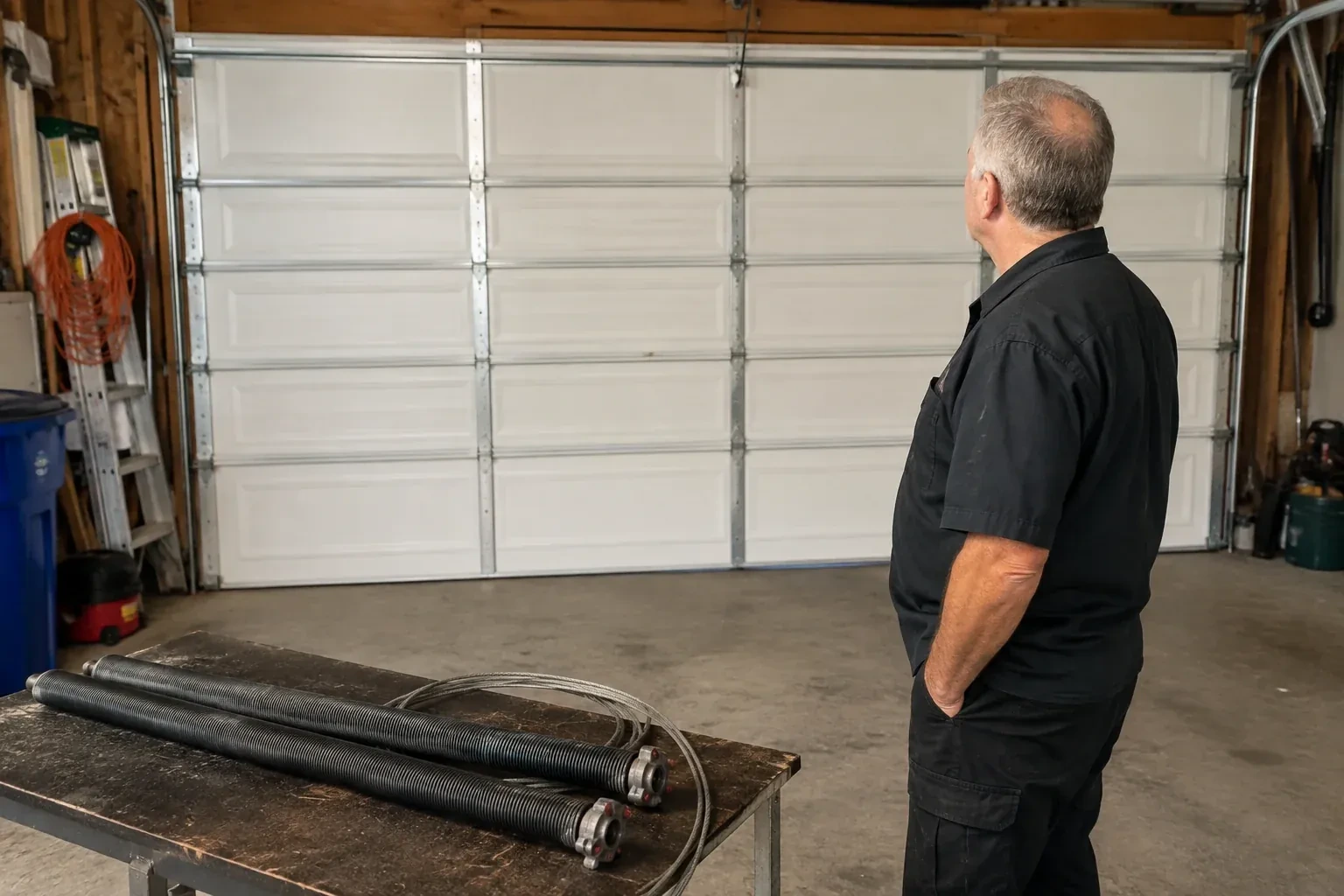
Replacing springs is precise work: measure the old spring, calculate the new one, wind to the correct turns, then confirm balance across the full travel. This group covers that and the cables that go with it.
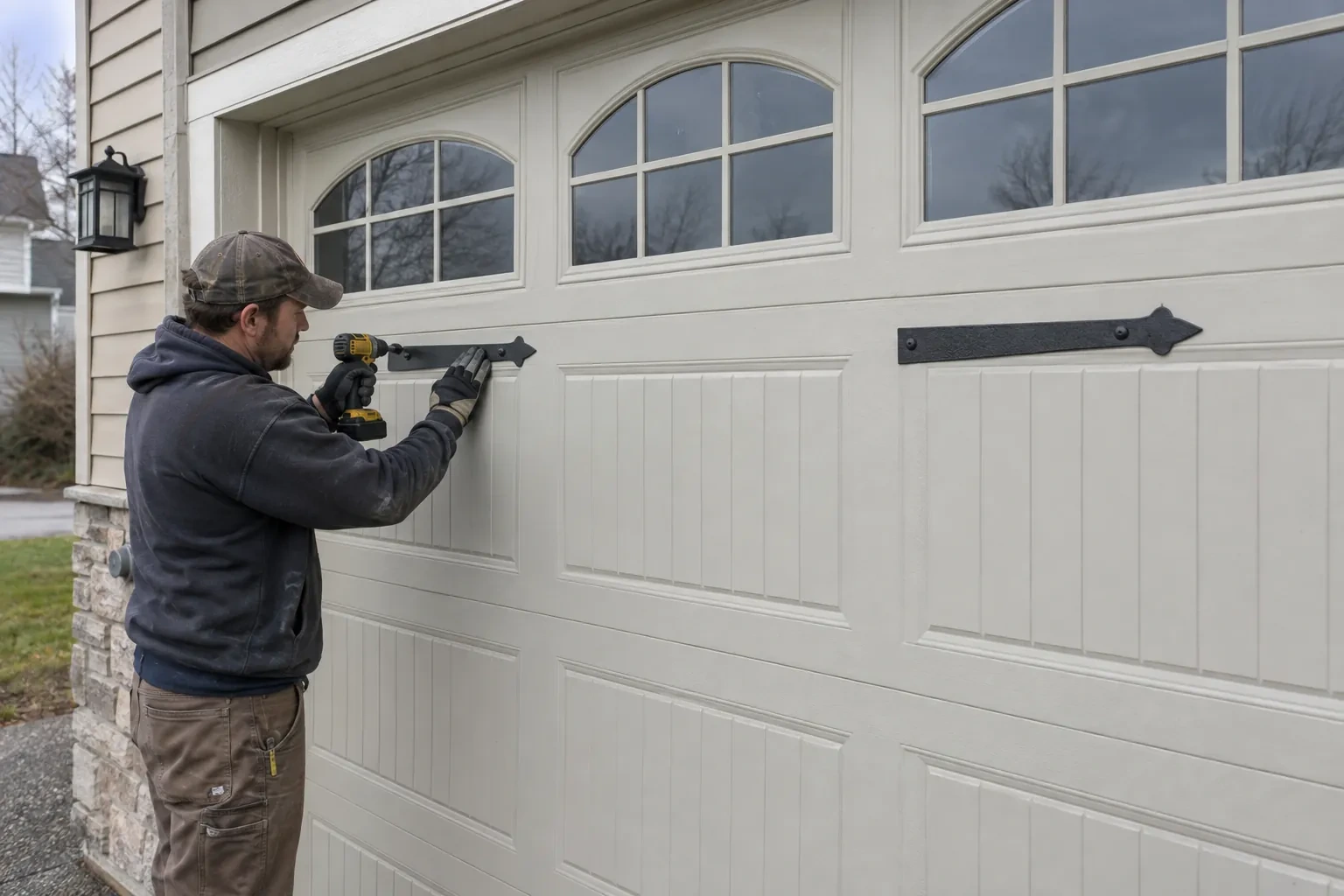
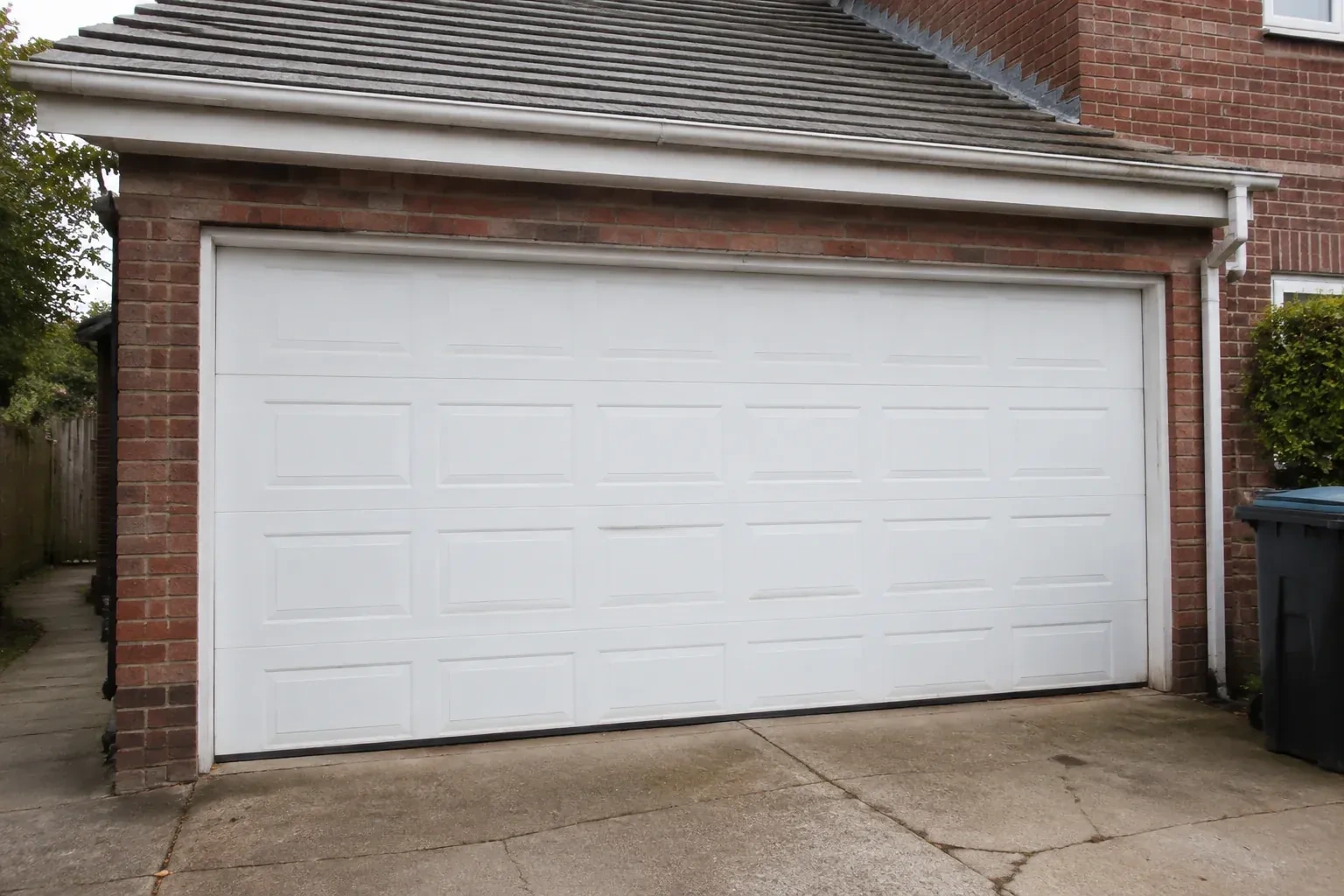
Choosing colour and panel style is easier with real samples and a photo of your house. We bring both to the conversation, and we can show how a design looks against your brick, siding or stone before you decide.
The rail shakes when the door runs. The steel straps holding it to the ceiling have worked loose, the chain rattles the length of the garage, and a bolt has already dropped onto the hood of the car.
Press the remote and the motor runs its full cycle, lights on, the usual whir, but the door does not move a centimetre. Up at the trolley, the belt is hanging loose where a small plastic clip used to hold it.
Press the button and the motor hums, but the door stays exactly where it is. Under the housing there is a dusting of white plastic shavings, the sign of a stripped drive gear, and this is the second time it has happened.
The door will only go down while a finger stays on the wall button; let go and it stops or reverses. From the remote it opens fine but never closes, so someone has to stand in the garage every time.
Someone in the family tried to add a remote, held the button on the ceiling unit a little too long, and now every remote in the house is dead at once. The wall control still moves the door.
A smart hub arrived in the mail with a coin-cell sensor and two wires. The instructions ask what colour your learn button is and how old the opener is.
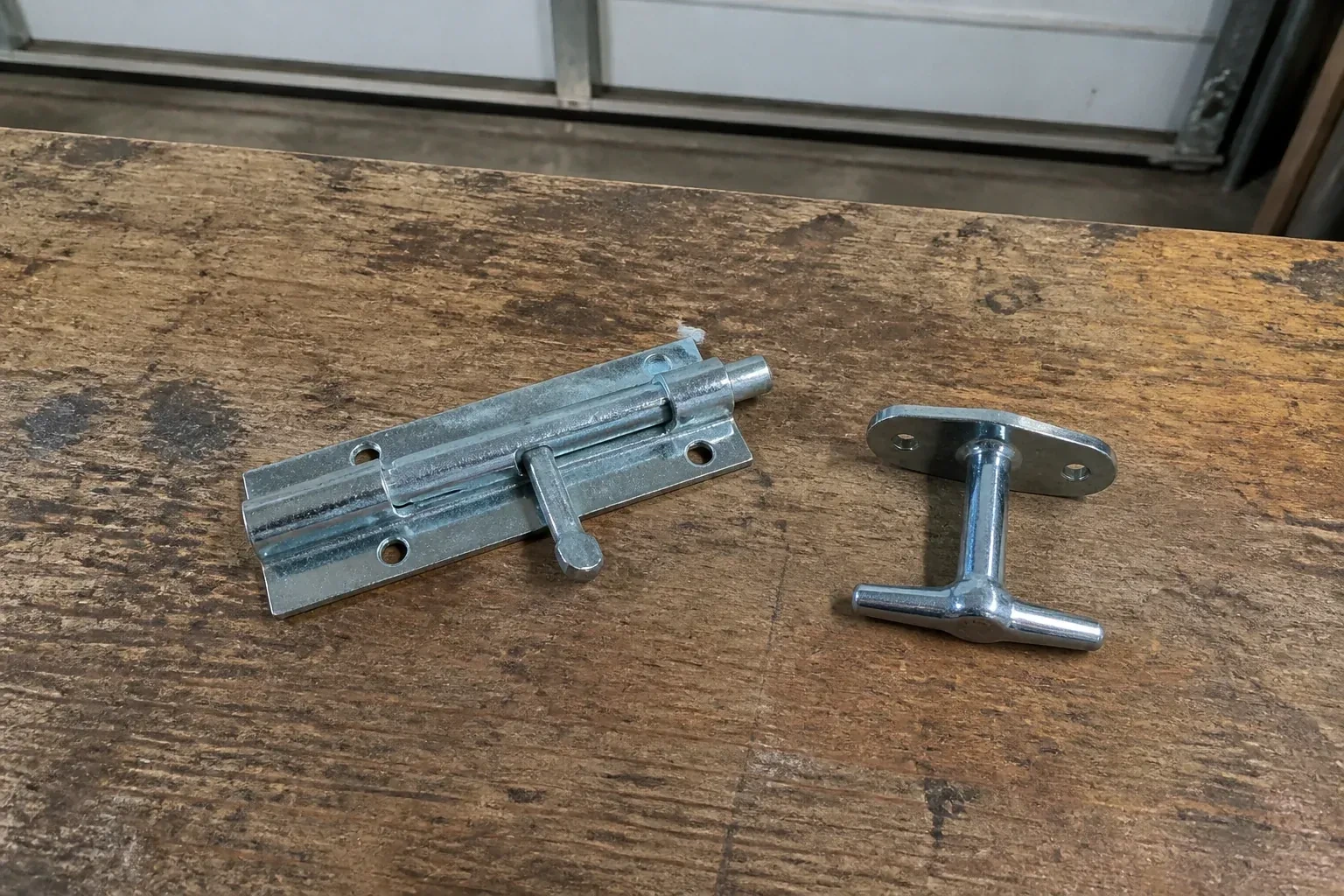
A previous owner knotted the release cord around the rail and stacked storage shelves right beneath it. You only discovered this in the dark, with the power off, a flashlight in your teeth and a car that needed to be somewhere.
Which fix fits?
Backing out in a hurry, the bumper tapped the bottom section.
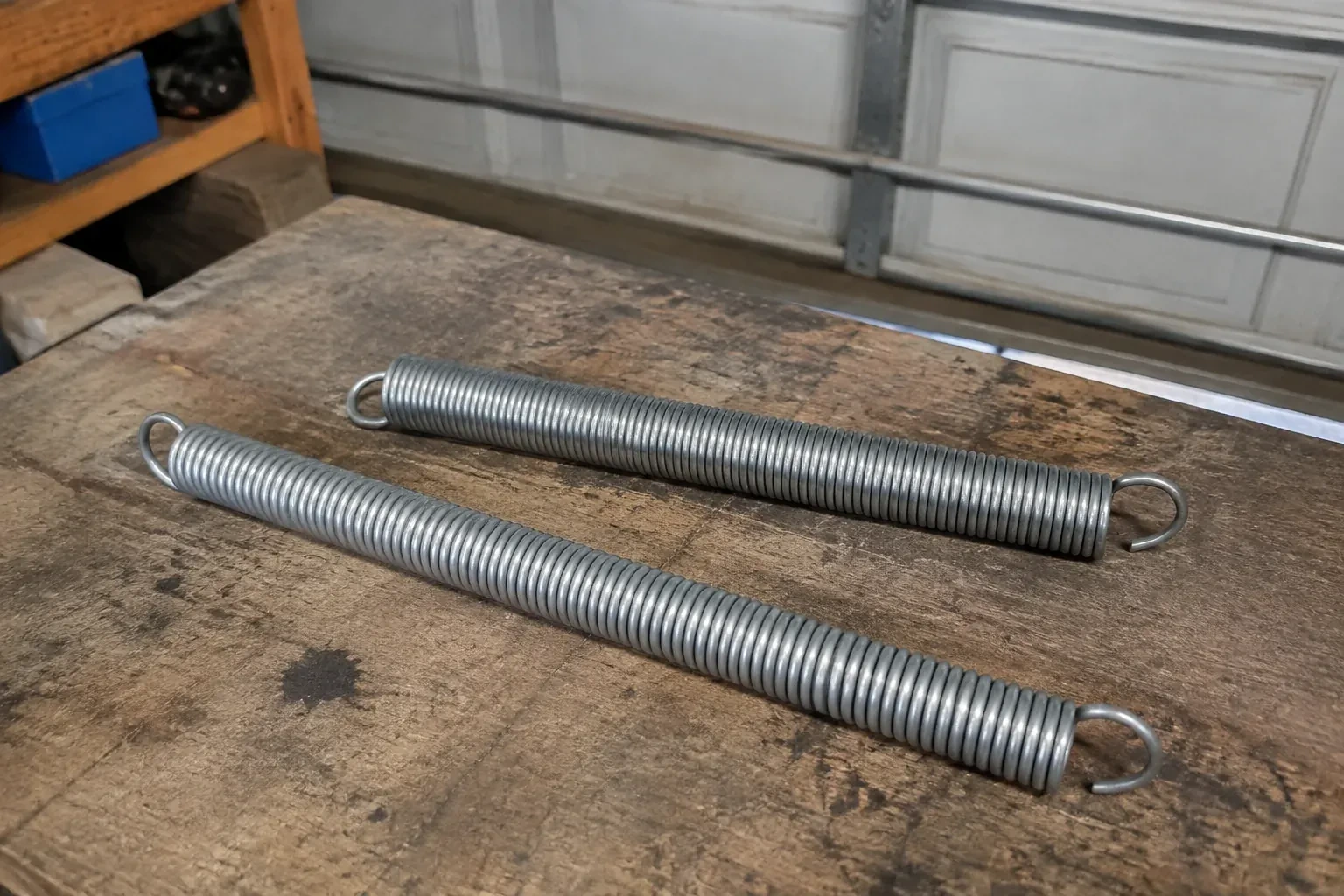
WhyExtension springs are common on the detached garages behind older houses, where a low ceiling left no room for a torsion shaft, and those garages are rarely heated.
The small light on one of the sensors near the floor has gone dark, or it flickers when someone walks past the track.
WhyHigh-lift and vertical-lift doors need repair methods suited to their track geometry.
An entrance. Not an afterthought.
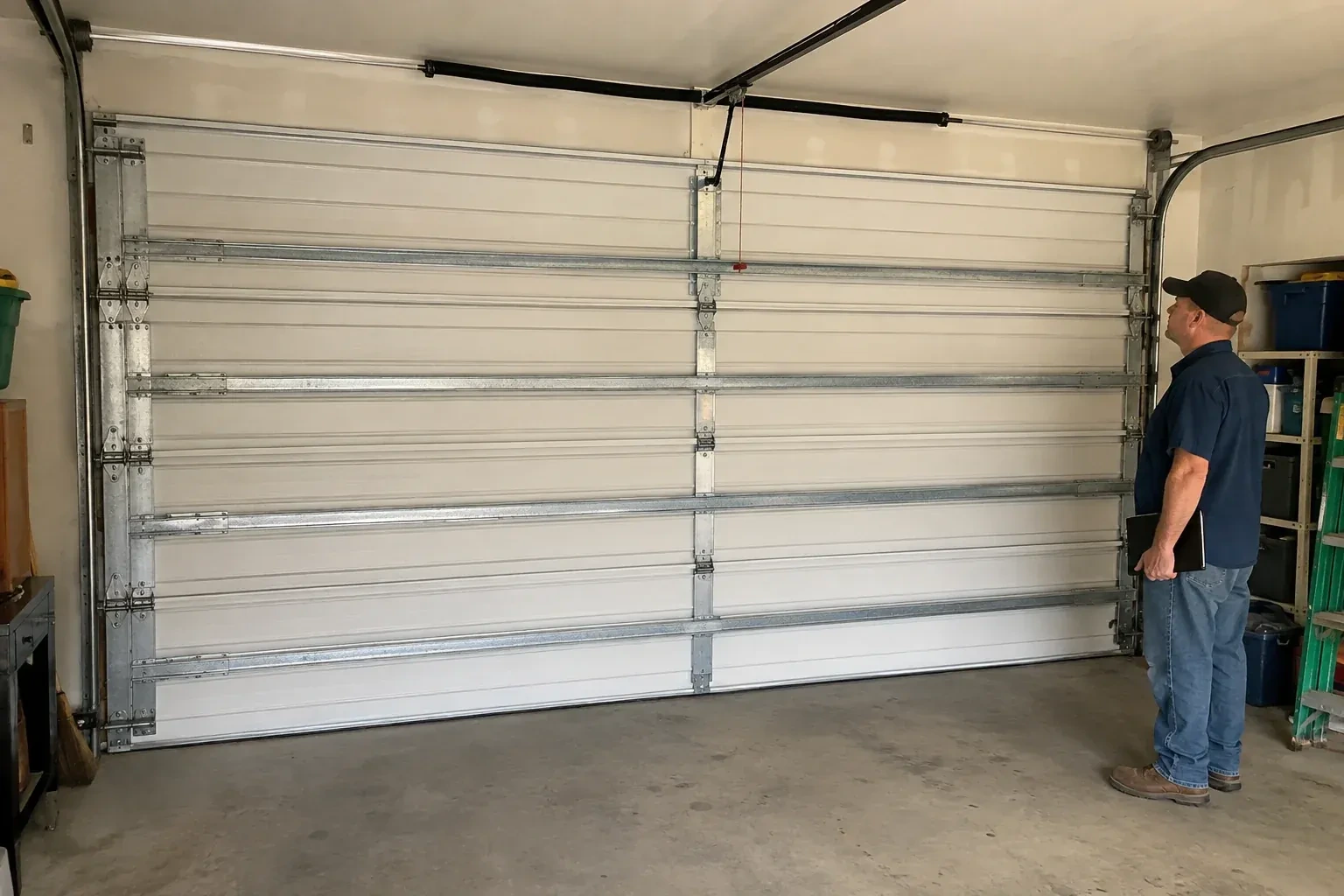
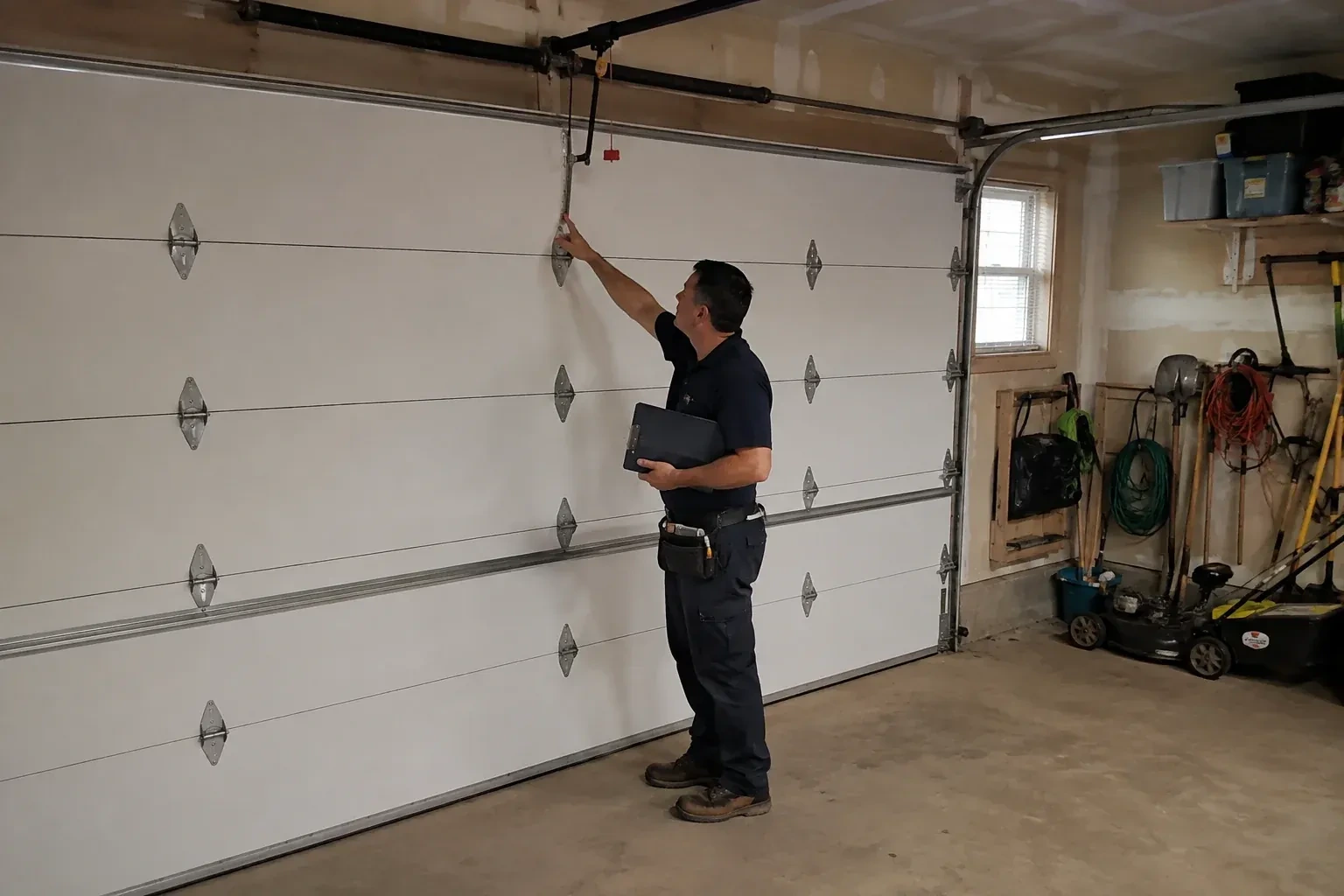
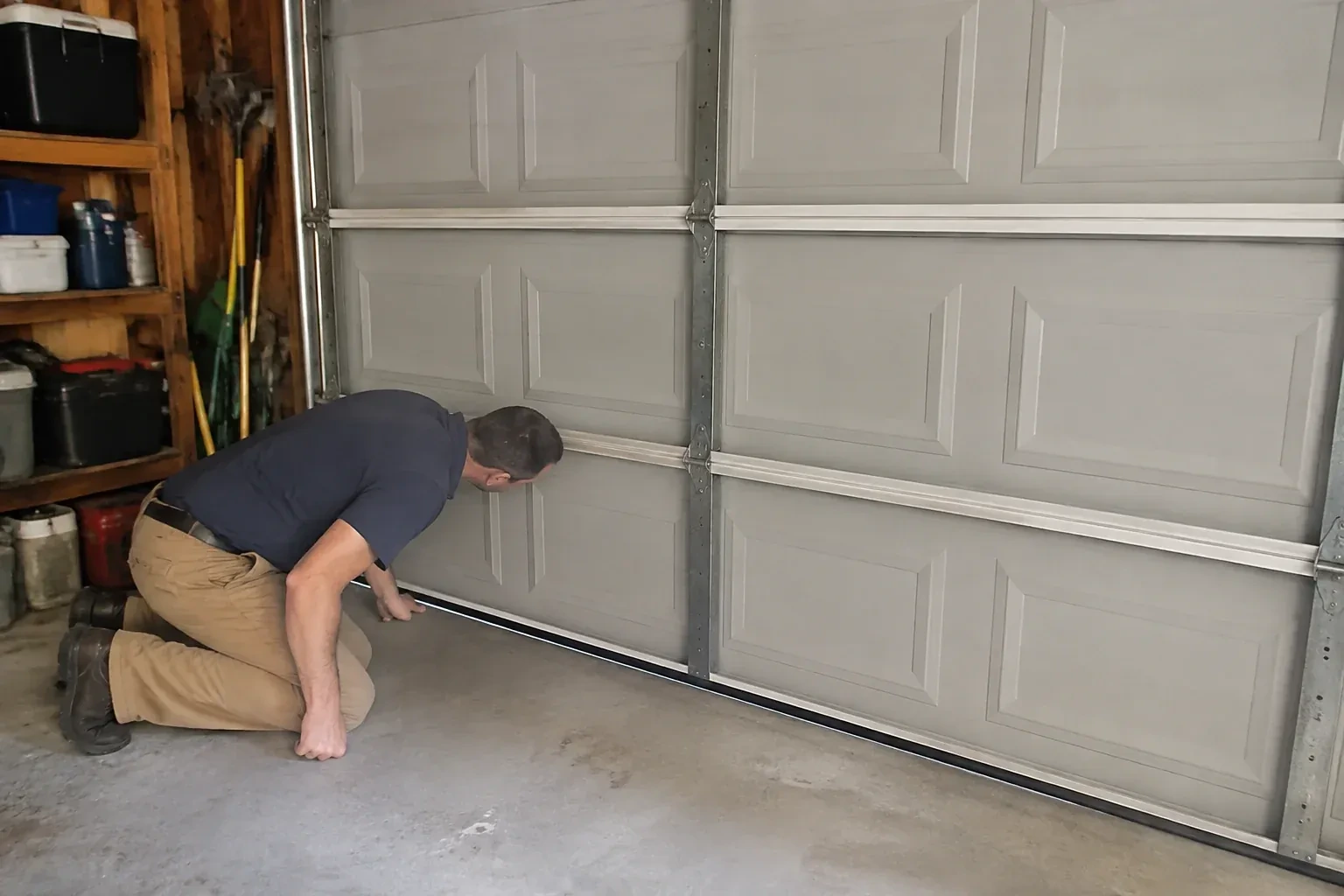
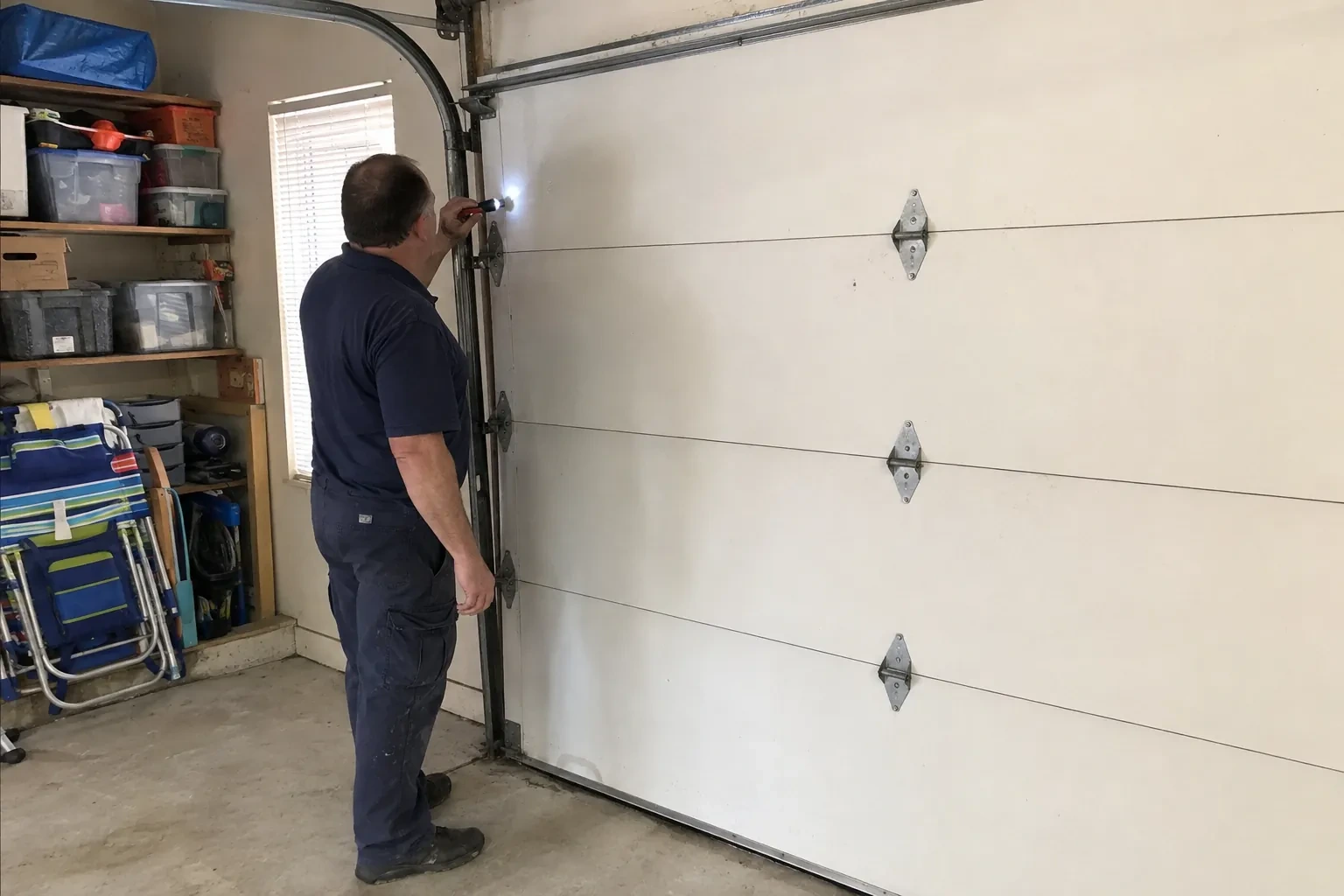
1/10Garage Door Safety Inspection
Backing out in a hurry, the bumper tapped the bottom section. The dent is small and the door still runs, but it seems to shudder now at the point where the panel meets the track.
You misjudged the last metre of the driveway and felt the bumper meet the door. The bottom section now carries a crease across most of its width. The door still opens, but it shudders as that section reaches the curve in the track.
You bought the house with a door that sticks near the top of its travel. The vertical track was screwed tight against the jamb, so the door drags along its stop moulding on every trip instead of swinging clear.
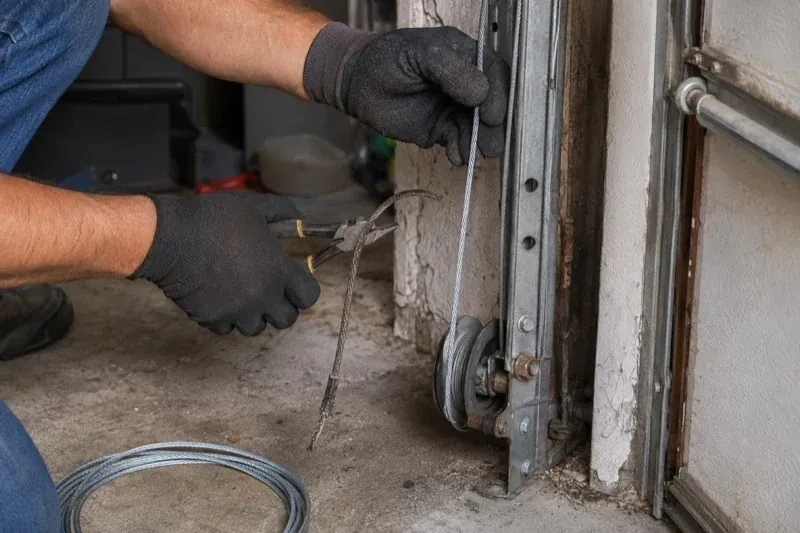
There was a sharp crack from the garage, and when you went to look the door had dropped on one side and jammed. A length of cable lies coiled on the floor by the bottom roller.
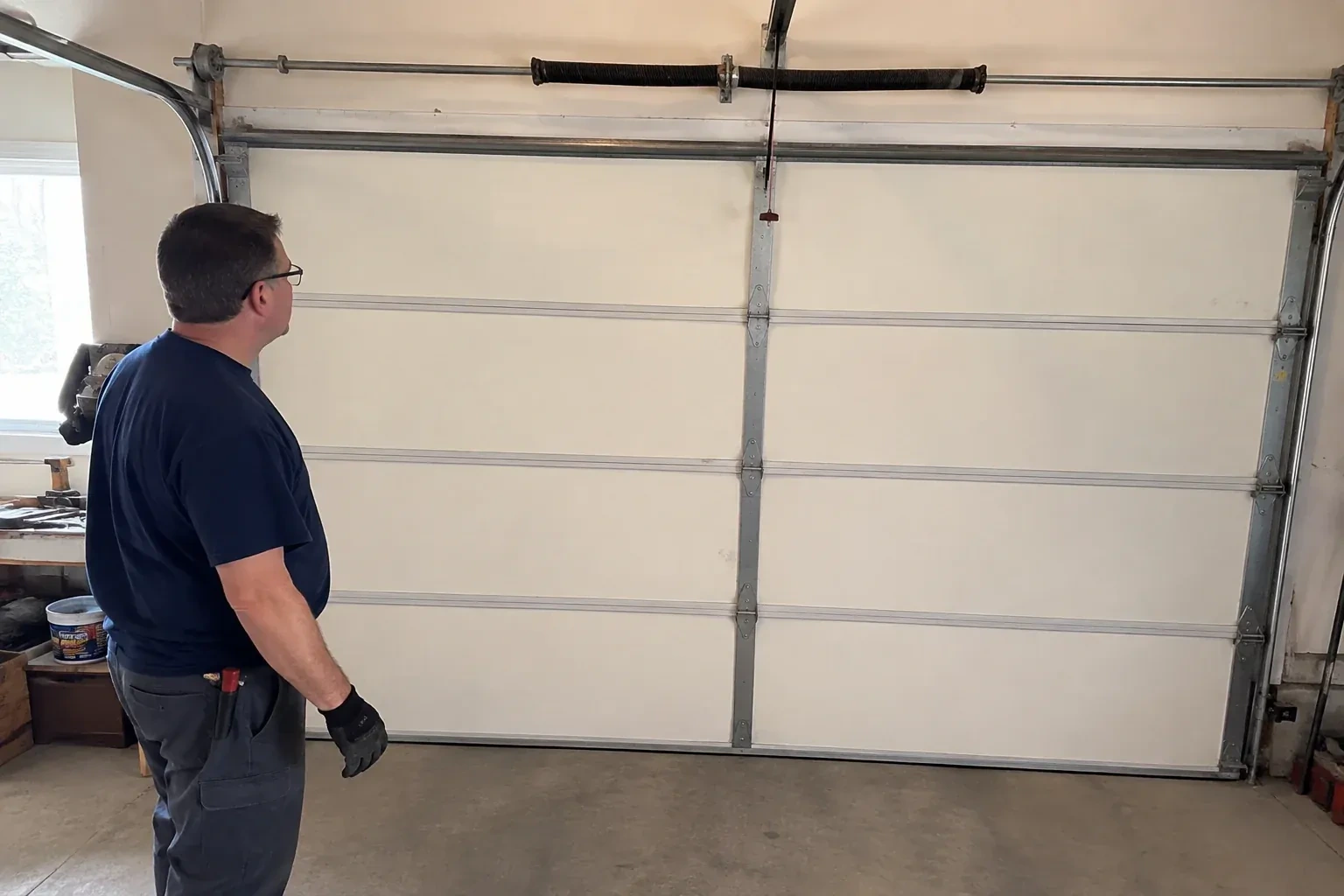
It is the first hard frost of the year and the door on the old detached garage has stopped halfway, squealing at one pulley. The springs are the ones that came with the door decades ago, orange with rust where they hang near the back wall.
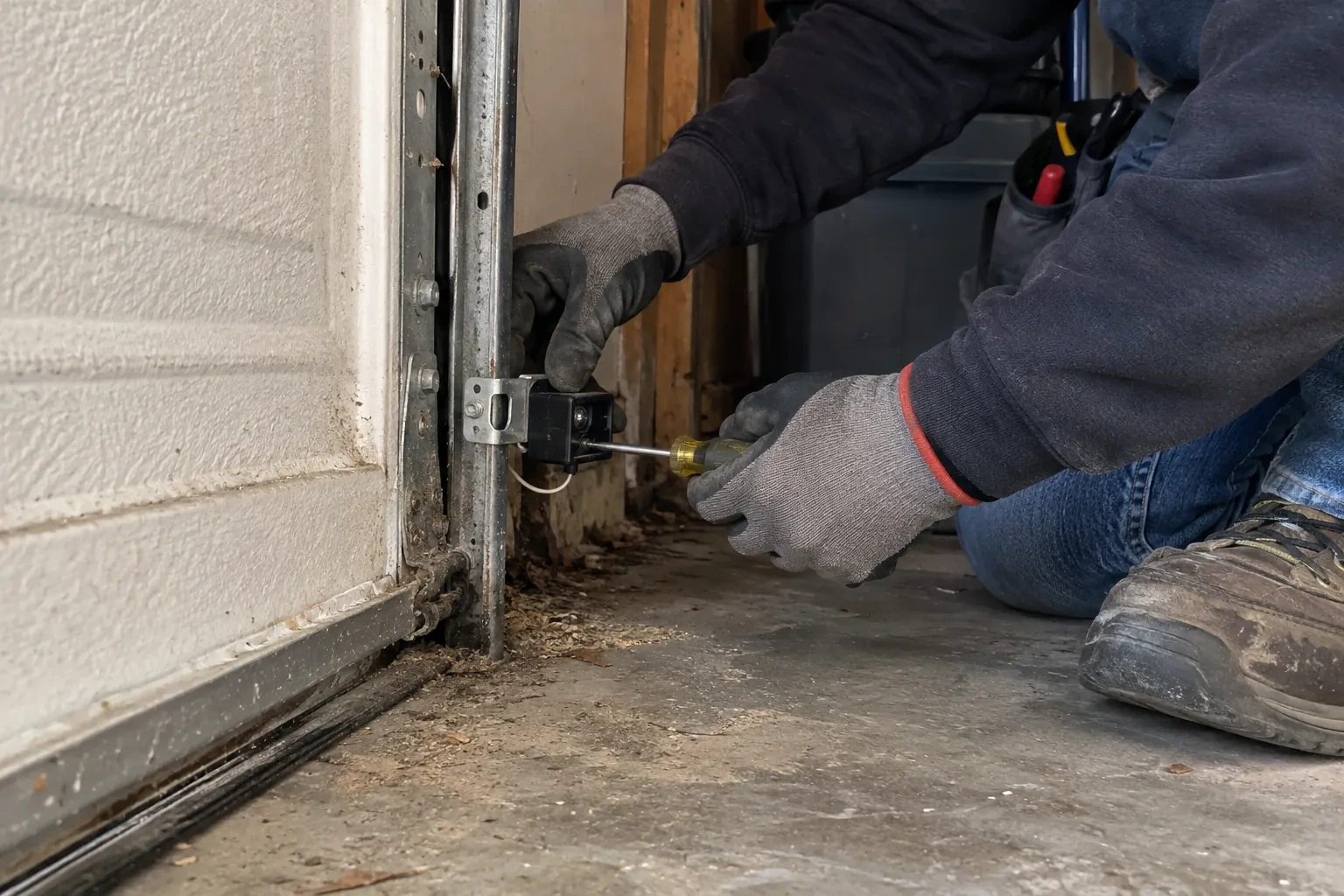
The small light on one of the sensors near the floor has gone dark, or it flickers when someone walks past the track. The other one glows steadily. The door refuses to close from the car.
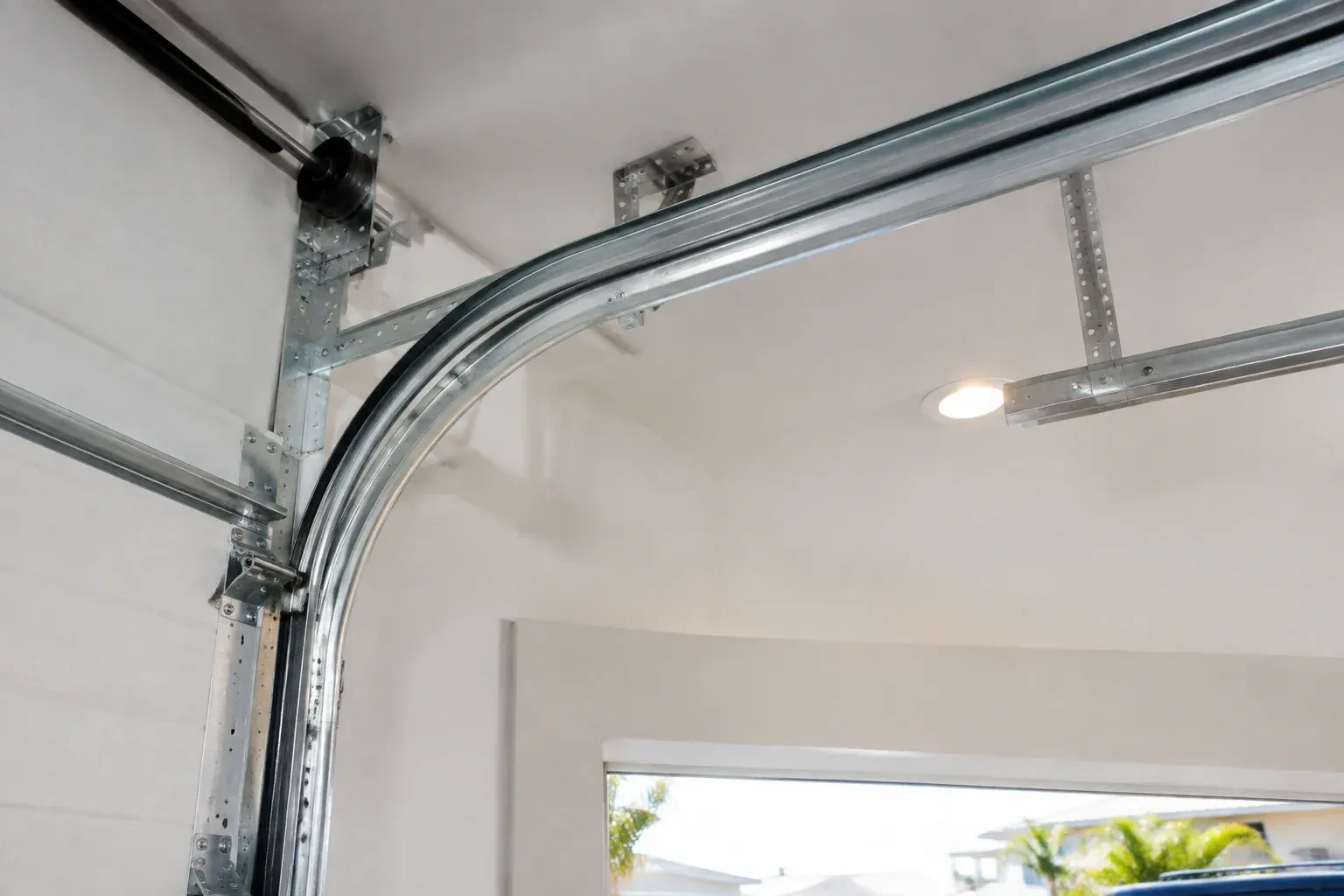
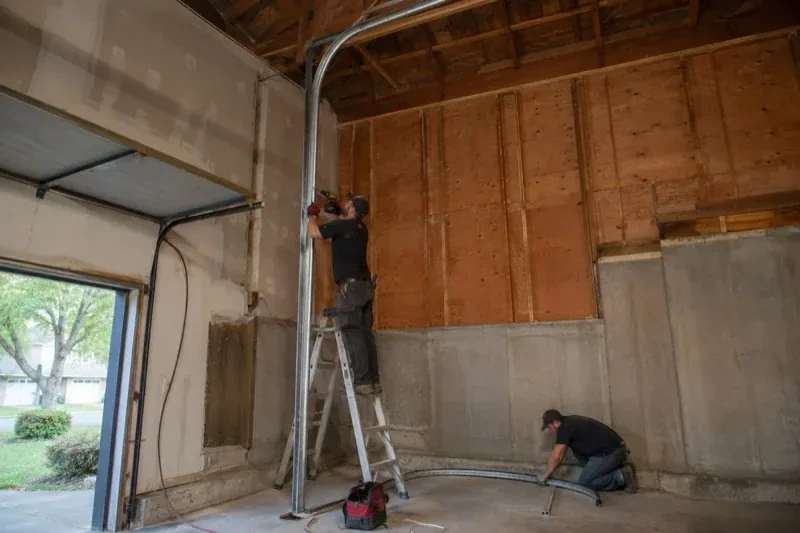
Your renovation changes how the ceiling space will be used. The existing track conflicts with new storage and lighting, so the replacement needs a measured track arrangement that follows the available headroom and backroom.
Your renovation drawings call for a garage door with a stated design pressure, yet the existing door has no readable label or installation record. The replacement now needs to match the opening and the project documents.
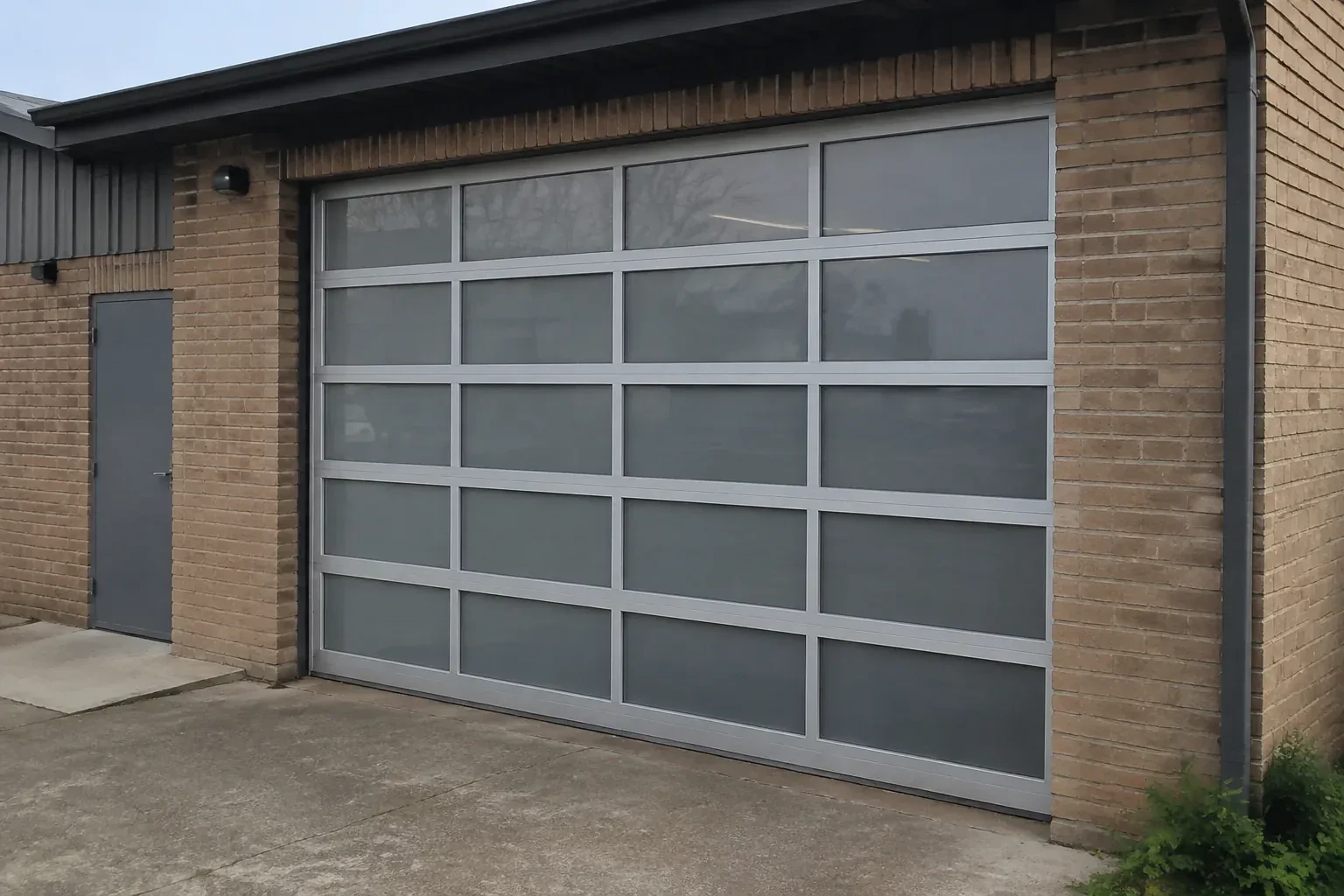
The current door is due for replacement, and this is the opportunity to change the whole character of the opening. Glass, frame finish and hardware need to be planned as one working system.
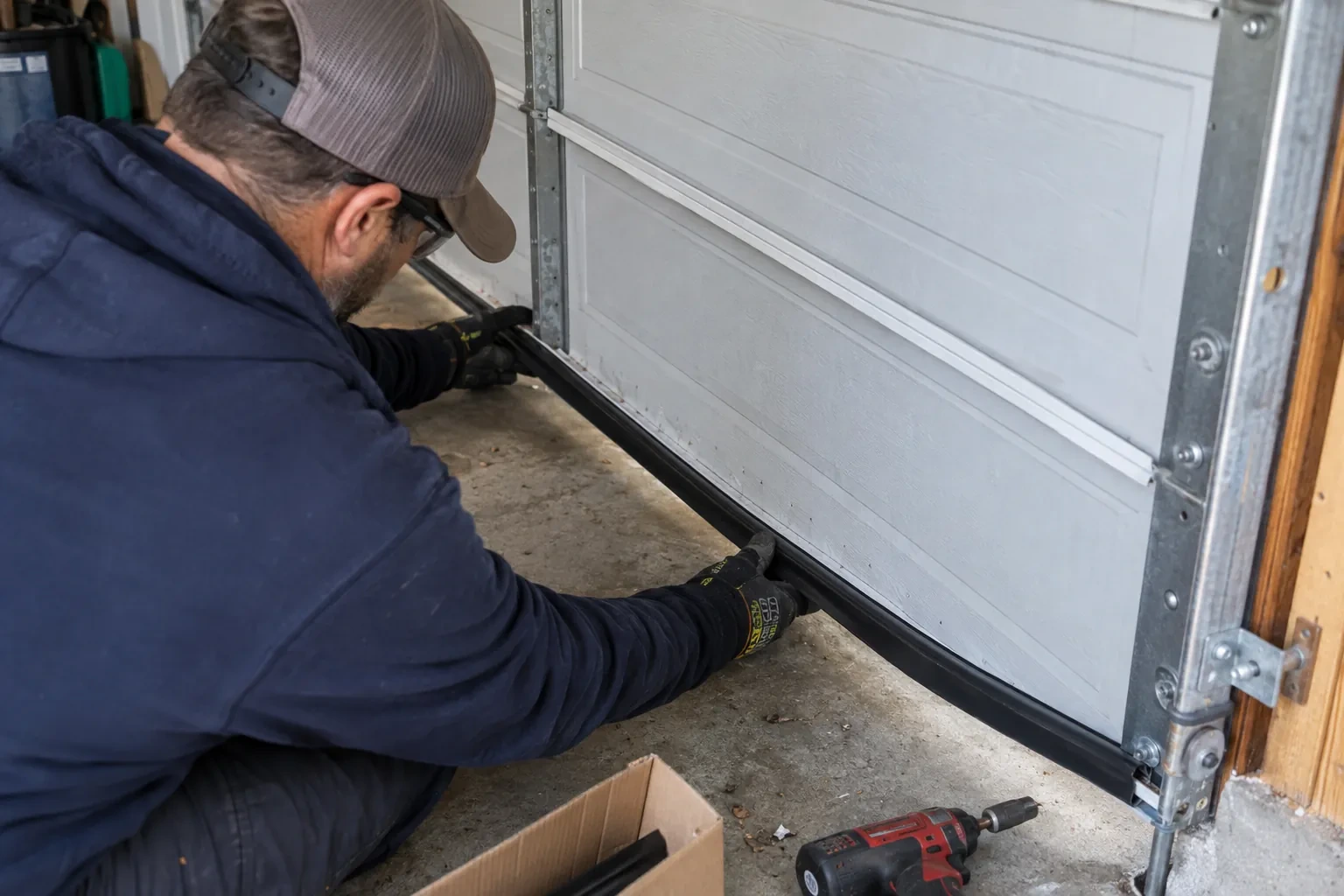
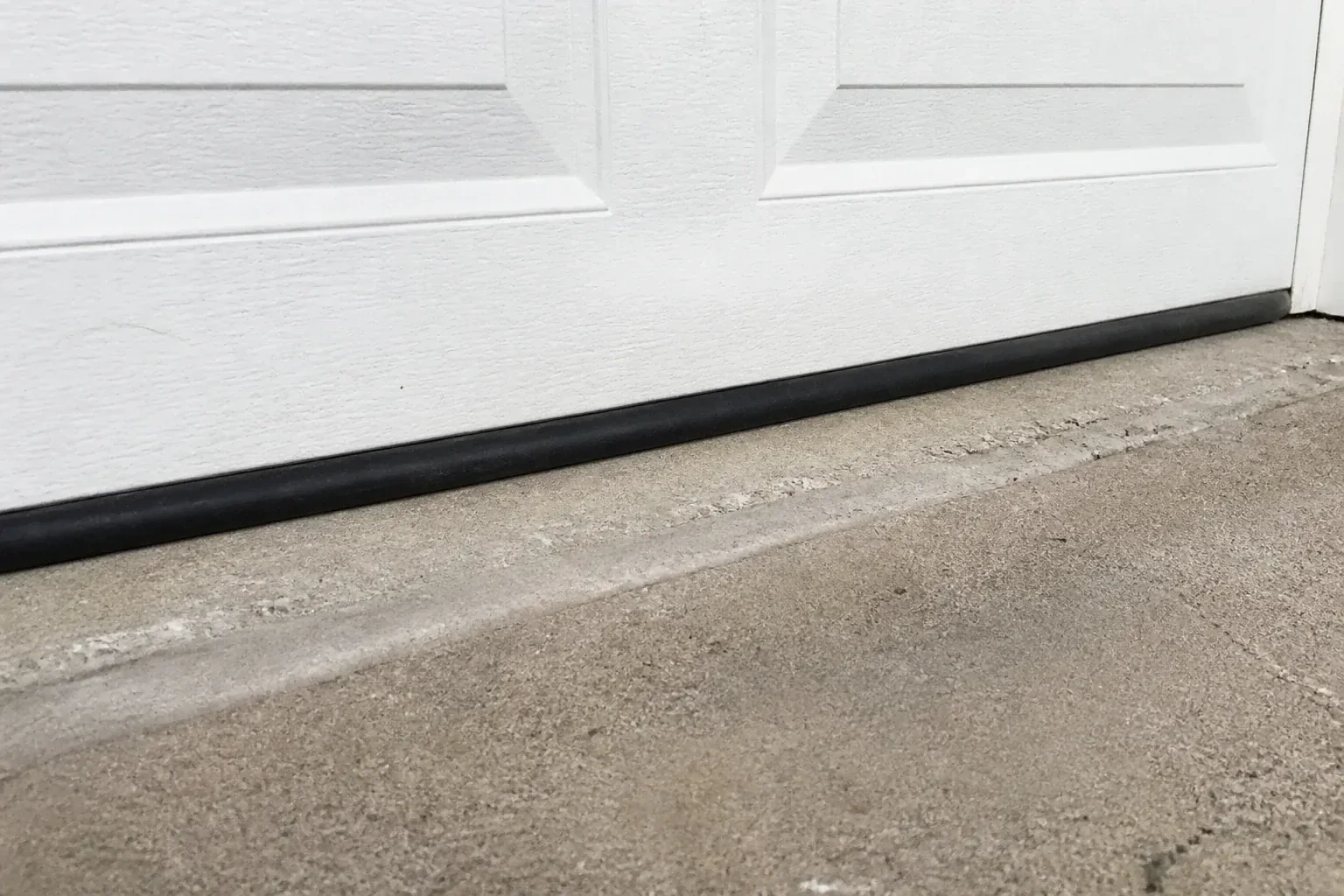
Cold weather has exposed a widening gap below the closed door. The bottom retainer is bent, the rubber seal is split, and uneven seating lets drafts and slush enter the work area.
Why does my door reverse on the way down for no reason?
Most often it is the photo eyes. A sensor knocked slightly out of line, a lens with a film of road grime, a loose wire, or low afternoon sun shining straight into one eye will each break the beam as far as the opener is concerned. The next candidates are a down-force setting that has drifted, a binding roller or a door that has gone out of balance. The inspection checks each in turn.
Why is the bottom section handled differently from the others?
The bottom section is where the lift cables attach, through the bottom brackets at each end, and those cables are under the full pull of the springs. Before the brackets come off, the springs have to be unwound or unhooked so the cables go slack. The bottom section also carries the seal retainer and astragal that meet the floor. After the new section is in, the springs are re-tensioned and the balance reset.
How do I keep road salt from rusting the track?
Salt does its work in the bottom foot of each vertical track, where slush drips off the car and sits. Push slush clear of the door's inside edge rather than letting it pool, and on a mild day wipe or rinse the brackets and the lower channel. A little silicone spray on the bracket fasteners in autumn helps them shed water. Keeping the threshold free of ice also stops the door being pulled against a stuck bottom section.
Should both cables be replaced when only one has failed?
Yes, as a rule. The two cables were fitted together, have flexed around their drums the same number of times and have sat in the same slush, so the survivor is close to the end of its life. A new cable beside a stretched one also makes it harder to set the door level. Two matched cables give an even lift and one visit instead of two.
What are the early signs that the springs are wearing out?
The door starts to feel heavier when lifted by hand and the opener sounds as though it is working harder. Released from the opener, the door sinks from halfway instead of holding. With the door open, gaps show between coils that used to sit tight together, or one spring hangs longer than the other. Rust bloom on the coils and a squeal from a pulley round out the list. Any of these is a good time to call.
How should I clean the lenses?
Gently, with a soft dry or lightly damp cloth, the way you would clean eyeglasses. Never scrape a lens or use a solvent, since a scratched or clouded lens scatters the beam. Wipe both sensors, then check that the receiving light comes on steadily. If a lens frosts on cold mornings, give it a few minutes to clear or dry it with a cloth. A quarterly wipe keeps dust, cobwebs and salt film from building up.
What panel materials are commonly available?
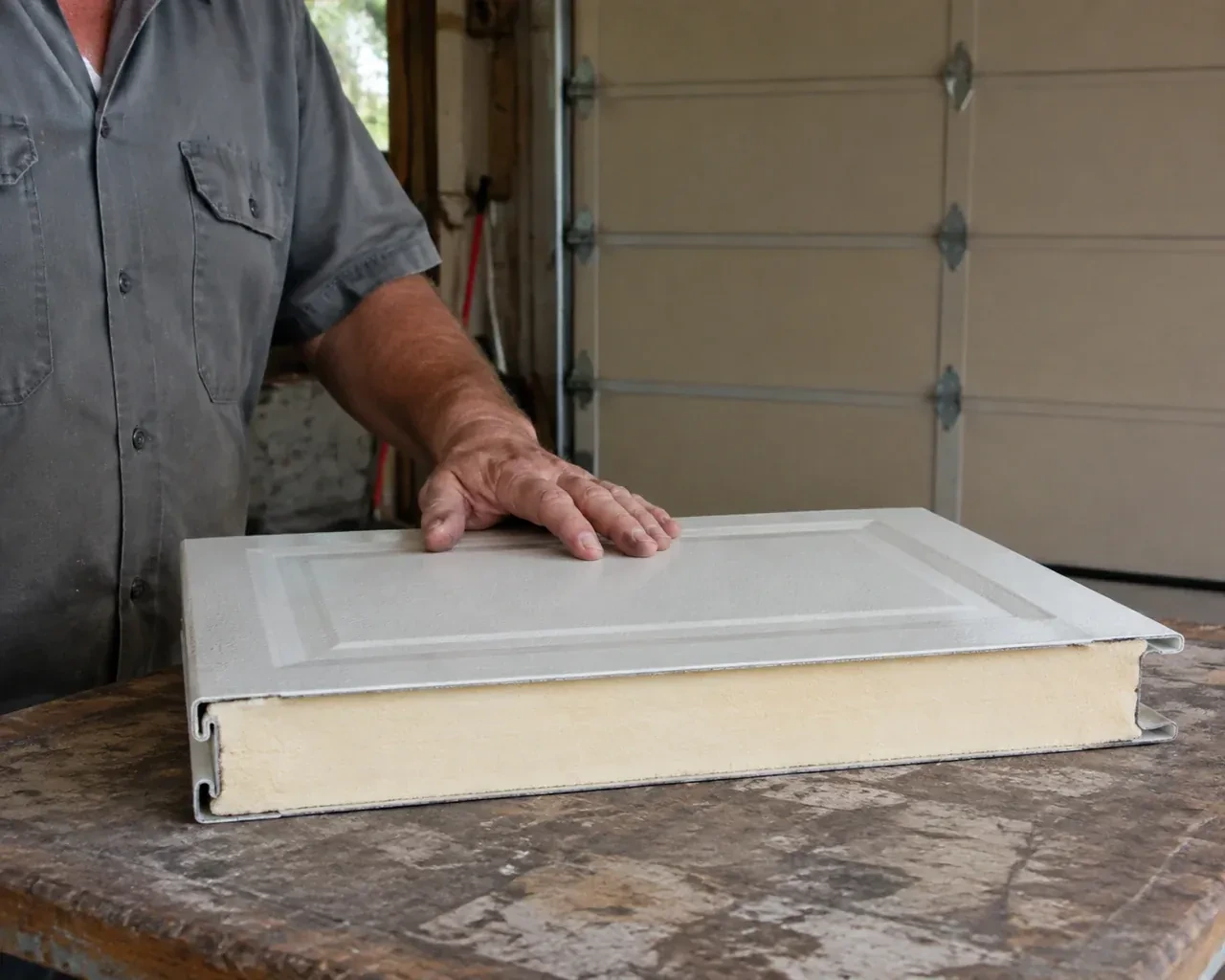
Sectional doors are commonly made with steel, aluminum, wood or composite construction, with model-specific finishes and insulation options. Each differs in weight, maintenance needs and appearance. The useful comparison considers exposure, desired style, garage use and available product data, then carries the chosen weight into the spring and hardware selection.
Should the door be inspected after a severe wind event?
An assessment is sensible when the door shows a new shape, sound, gap, scrape, or operating change. A technician examines sections, struts, hinges, rollers, tracks, anchors, cables, springs, and the opener connection as one system. Comparing those findings with the installation record helps identify whether adjustment, a matched component repair, or broader work is appropriate.
Can one damaged pane be replaced later?
Many systems use replaceable glazing, but the method and available infill depend on the exact section design. Keep the model, section identifier, panel material, tint and frame finish in the handover record. A service assessment can then identify a compatible pane, gasket or complete section and plan safe support while glazing beads or frame components are handled.
How are springs and cables handled during repair?
The technician first controls the door's weight and position with suitable supports or clamps. Stored spring energy is then managed with proper winding tools and a defined sequence before connected parts are loosened. Cables, drums and springs are matched to the door and lift geometry, installed with the system secured, and checked for level tension through controlled movement.
Request a visit
Our commercial customers in Mount Hope run shops, warehouses and service bays that depend on their doors. We set up maintenance visits at intervals that suit the door's cycle count, keep records of the springs and operators on each door, and turn up with the right parts so downtime stays short.