New Doors · Ryckmans Corners
High-Lift Garage Door Conversion in Ryckmans Corners
A taller van clears the closed opening comfortably, then loses useful space when the door is raised because the bottom section hangs below the ceiling.
In plain words
A high-lift project can often retain sound door sections while changing the hardware that guides and balances them. Their condition, reinforcement, hinges and rollers are inspected first, because the door still has to travel smoothly through a steeper path. New track geometry is paired with drums that manage the changing cable radius, cables of suitable length and torsion springs chosen for the actual door. This selective approach focuses the conversion on the components affected by the new movement while keeping compatible material in service.
How the visit goesStorage racks were planned near the ceiling, but the existing tracks and centre-mounted opener divide the only practical zone. The wall above the door appears tall enough to move the turning point upward.
High-Lift Garage Door Conversion
How the visit goes
Identify and assess the existing door
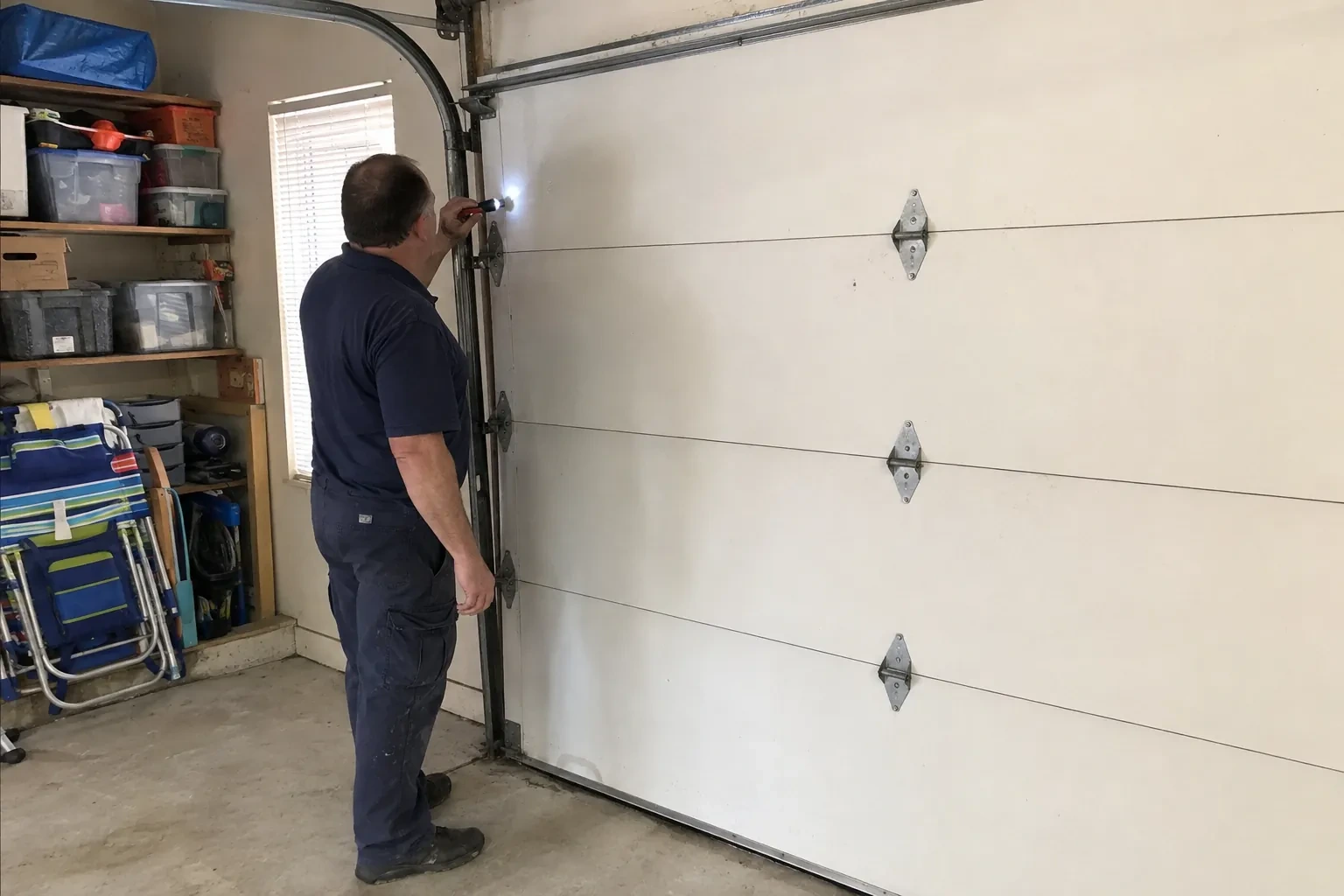
The door itself is documented before reuse is discussed. Its width, height, construction, section thickness, reinforcement and actual weight influence every counterbalance choice. Hinges, rollers, end stiles and top fixtures are checked for condition and suitability through a higher transition. Labels or original paperwork can help identify the system, while field measurements confirm what is installed now. This review establishes which door components remain useful and which related hardware belongs in the conversion scope, giving the new layout a dependable starting point.
Raise and support the horizontal tracks
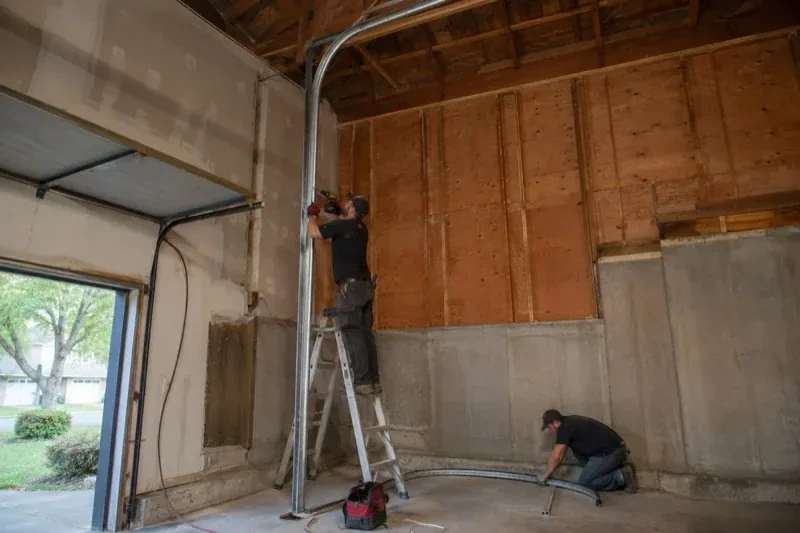
The horizontal assemblies are installed at their new elevation after the vertical and transition pieces establish the turning point. Back hangs connect the tracks to appropriate overhead support and are braced to control side movement. Levels and reference lines keep the pair parallel while clearance is checked around beams, lights and planned equipment. The tracks must support the door when open without crowding rollers or flexing under normal movement. This stage turns previously unused upper volume into the resting area for the raised panels.
Care after a change in door weight
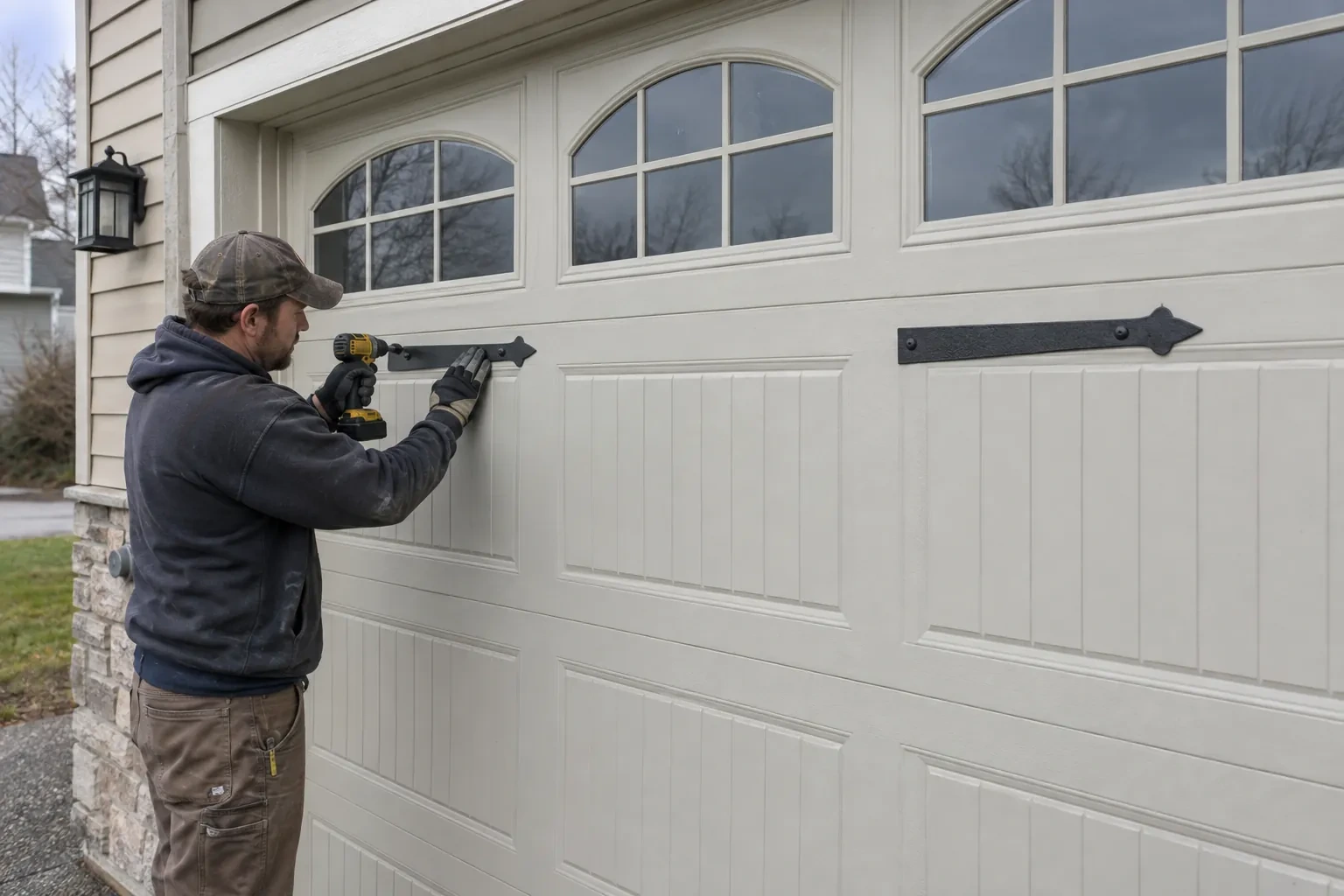
New windows, reinforcement, decorative hardware or multiple layers of coating can change what the counterbalance system must lift. If a later project adds meaningful weight to the sections, arrange an assessment so manual balance and spring selection can be reviewed against the altered door. The same applies when damaged sections are replaced with a different construction. Keeping the recorded configuration current helps the operator continue working with a balanced system and lets drums, cables and springs perform the roles selected for the high-lift geometry.
High-Lift Garage Door Conversion
In the van
Braced back hangs
Transition track sections
Track and flag brackets
Torsion shaft
High-lift vertical tracks
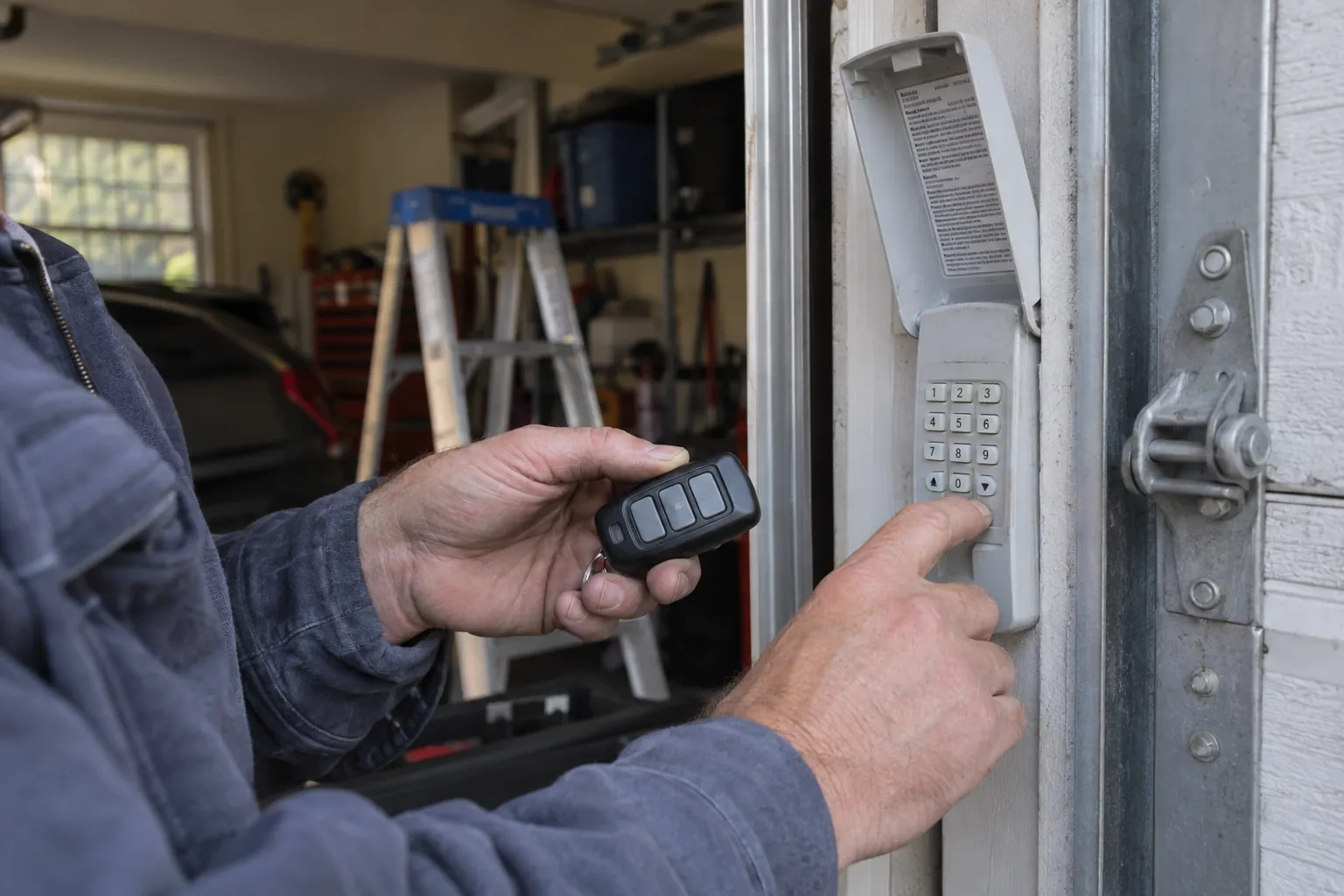
High-Lift Garage Door Conversion
What affects the quote
Required open-door clearance
The target space above a raised vehicle, lift or work area determines how much additional vertical travel the design must create and which layouts are worth evaluating.
Counterbalance component design
Spring specification, drum profile, cable length, shaft arrangement, bearings and centre supports are calculated around the door and proposed travel rather than priced as isolated pieces.
Electrical coordination
A relocated operator may need a suitable power location or revised control wiring, which is identified separately from the mechanical door scope.
What to have ready
- Where is the current opener and its rail mounted?
- Is the ceiling flat, sloped, finished or open to the framing?
- What door material, insulation and window configuration is installed?
High-Lift Garage Door Conversion: questions
QuestionsCan high-lift track follow a sloped ceiling?
Some layouts can use track that rises or follows an appropriate roof contour, but the answer comes from site geometry and available system options. The door still needs a compatible transition, counterbalance design, stable supports and a clear path through its entire movement. Accurate roof-line and obstruction measurements allow the technician to evaluate a practical arrangement for the specific bay.
Will the conversion make the garage door louder?
A properly aligned system should travel smoothly, although its sound may differ because rollers follow a longer vertical route and the operator arrangement may change. Track spacing, roller condition, hinge movement, spring setup and secure supports all influence noise. Final cycling establishes a normal sound baseline, while care follows the lubrication guidance for the installed door components.
What records should I receive after the work?
Keep a record of the high-lift dimension, final open-door clearance, track arrangement, drums, cables, spring specification, shaft parts and operator configuration. Component labels, manuals, layout notes and completed test results are also useful. These details help future service and allow other garage projects to respect the door's movement, attachment and access requirements.
Related services
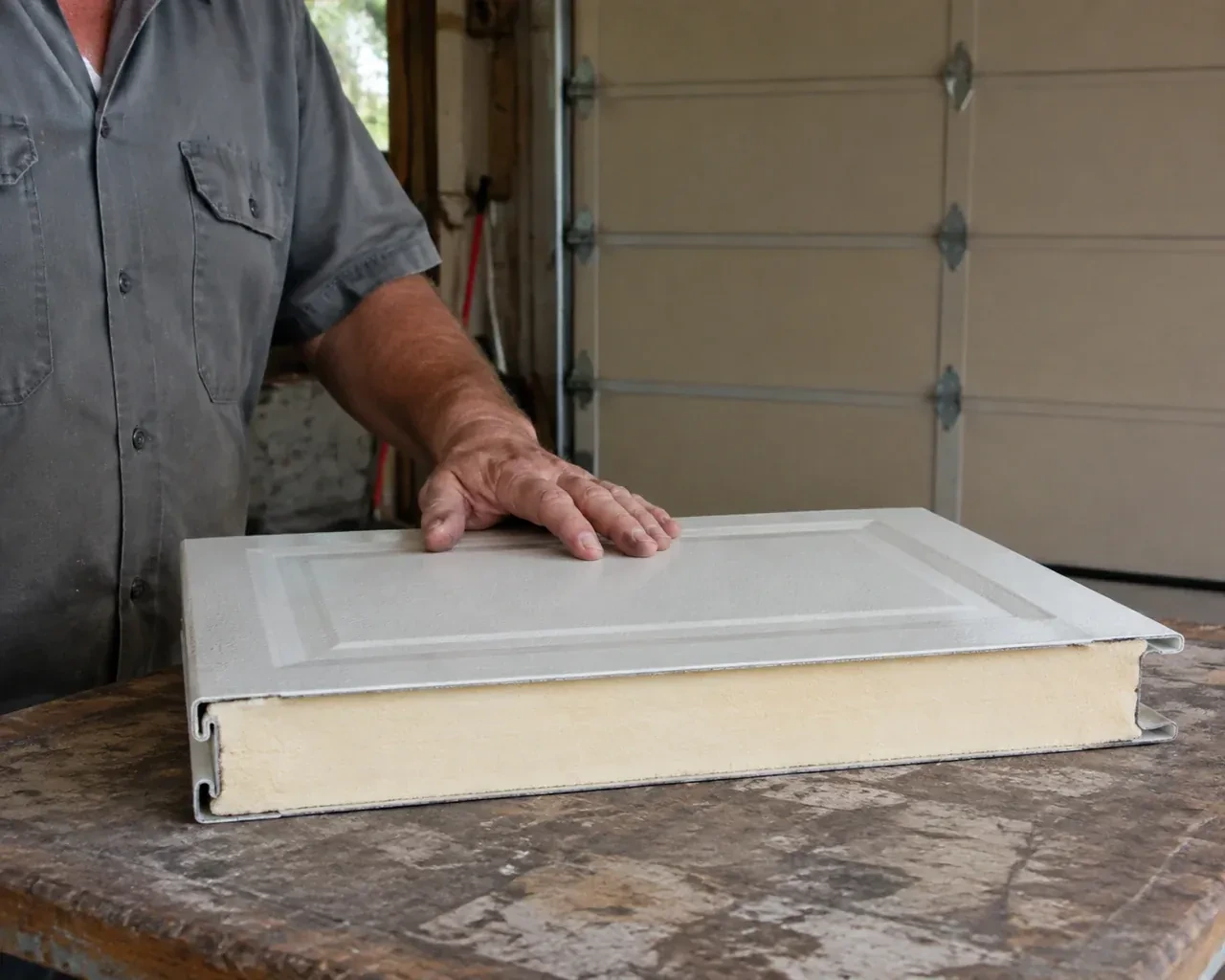
- Insulated Steel Garage Door InstallationDaylight appears beside the closed door and powdery snow collects just inside after windy weather.
- Wind-Rated Garage Door ReplacementThe current double door shudders when pressure changes outside, and daylight appears briefly along one edge.
- Carriage-House Garage Door InstallationYour garage door works, yet its broad plain panels feel disconnected from the brick, gables and entry details around them.