New Doors · Hampton Heights
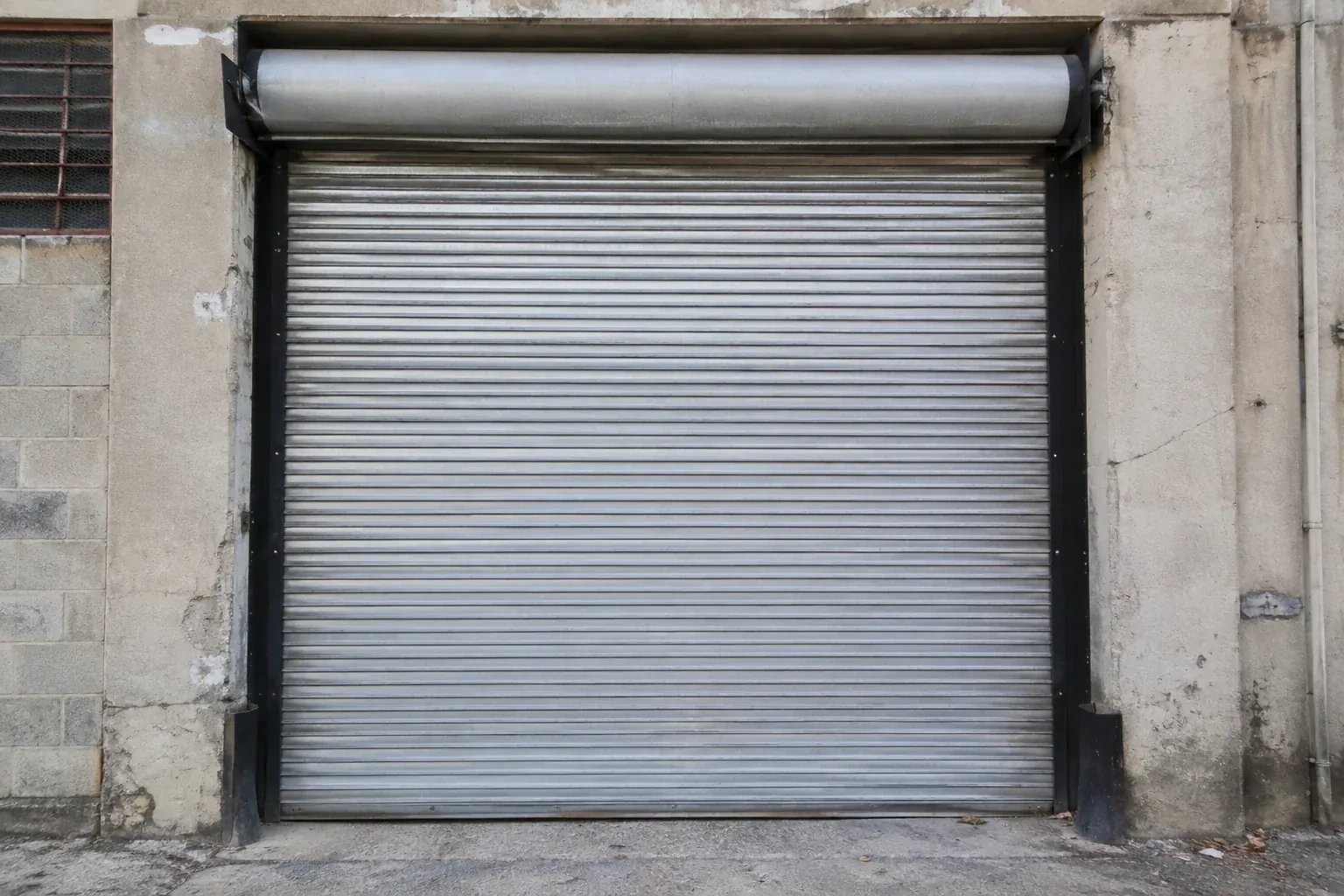
Commercial Rolling Door Repair in Hampton Heights
A lift truck clipped the lower curtain during unloading.
In plain words
A rolling door that has become unusually heavy or starts to drift is asking for a counterbalance assessment. The barrel assembly commonly contains springs that offset curtain weight, and those parts hold substantial tension even while the door is stationary. The technician secures the curtain, examines brackets, bearings and drive components, then evaluates balance under controlled conditions. Adjustment uses purpose-made winding tools and the identified door instructions. Once the mechanical setting is correct, manual effort is checked across the full travel and any powered operator is tested without asking it to compensate for a poorly balanced door.
How the visit goesThe hand chain takes far more effort than it did last month. The curtain feels heavy from the first pull, pauses around mid-travel, and settles downward instead of holding a steady position.
Commercial Rolling Door Repair
How the visit goes
Control both sides of the opening
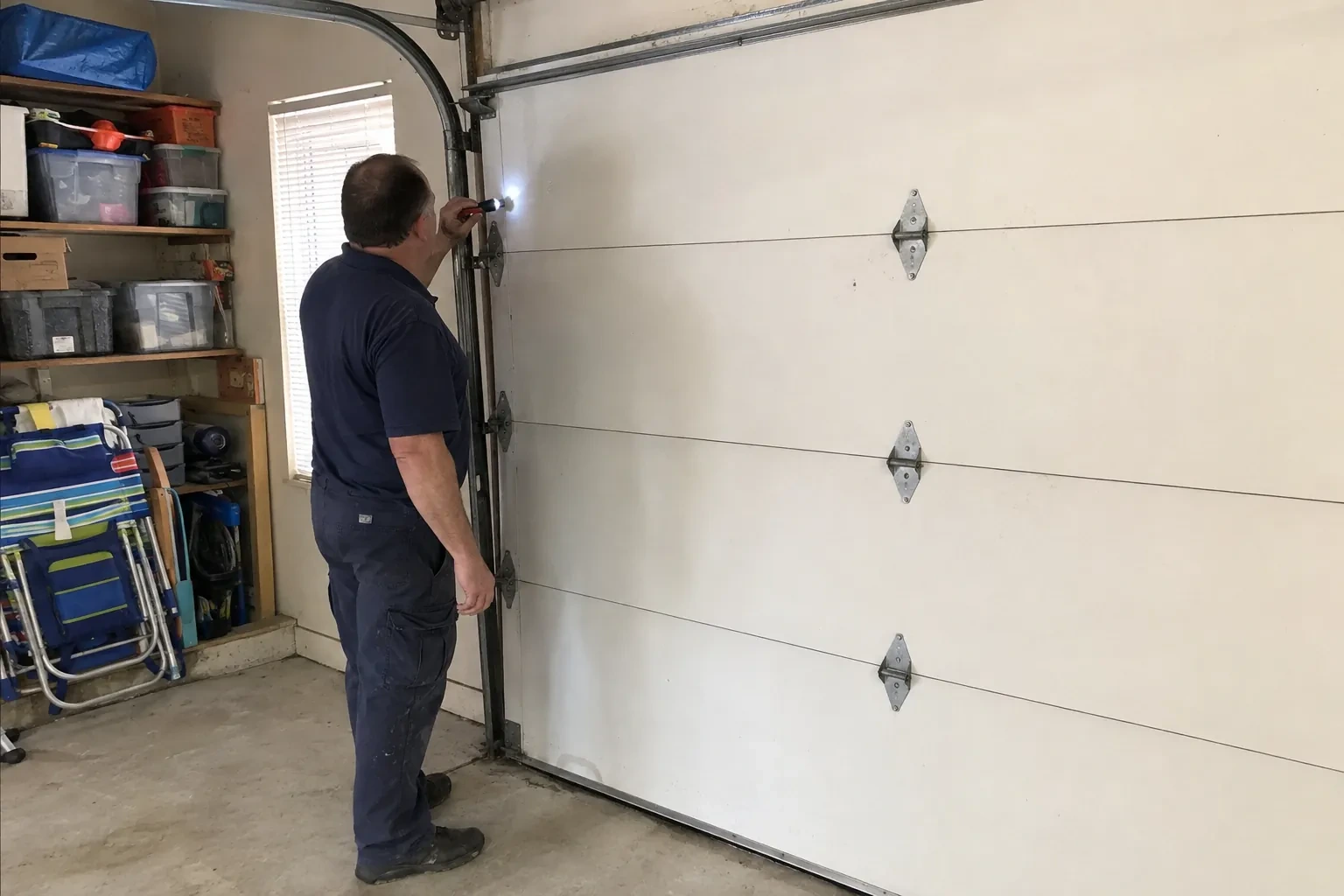
A commercial doorway joins two active work areas, so assessment begins by making the space predictable. Vehicle routes, pedestrian paths, stacked goods and scheduled deliveries are identified on the inside and outside. The control station and electrical disconnect are located, and the curtain's current position is considered before anyone approaches the guides or hood. Barriers and a site contact keep movement coordinated while inspection is underway. With the traffic area settled, the technician can observe the door deliberately and secure it in the position needed for measurements instead of working around changing facility activity.
Secure the curtain and stored energy
Repair starts by establishing a stable mechanical state. Power is isolated under the site's procedure, the operating controls are kept from use, and the work zone remains controlled. Depending on position and construction, the curtain is lowered, clamped, blocked or supported with suitable lifting equipment before a guide, bracket or drive part is loosened. Manual chains are secured and counterbalance components are treated as energised. This setup gives the technician control over weight and movement, allowing later adjustments to be deliberate. It also protects nearby stock and equipment while the opening is temporarily out of normal service.
Manual operation that staff understand
A repaired hand-chain or emergency-hoist system comes with a simple operating walkthrough. Staff learn where the chain is stored, which direction opens or closes, how the keeper is used and how the powered operator changes over to manual mode for that particular assembly. They are also shown the normal effort and stopping behaviour, useful reference points if balance or a bearing changes later. The chain stays gathered and clear of traffic after use. Facility procedures can name the people authorised to operate it, keeping manual movement deliberate during a power interruption or control-service event.
Commercial Rolling Door Repair
In the van
Hand-chain hoist components
Photoelectric sensors
Roller chain and sprockets
Guides and bellmouths
Curtain slats and endlocks
Commercial Rolling Door Repair
What affects the quote
Door construction and size
A coiling slat curtain, rolling sheet door, insulated assembly or labelled fire door uses different components and procedures. Opening width and height also shape curtain weight, access and handling equipment.
Controls and interlocks
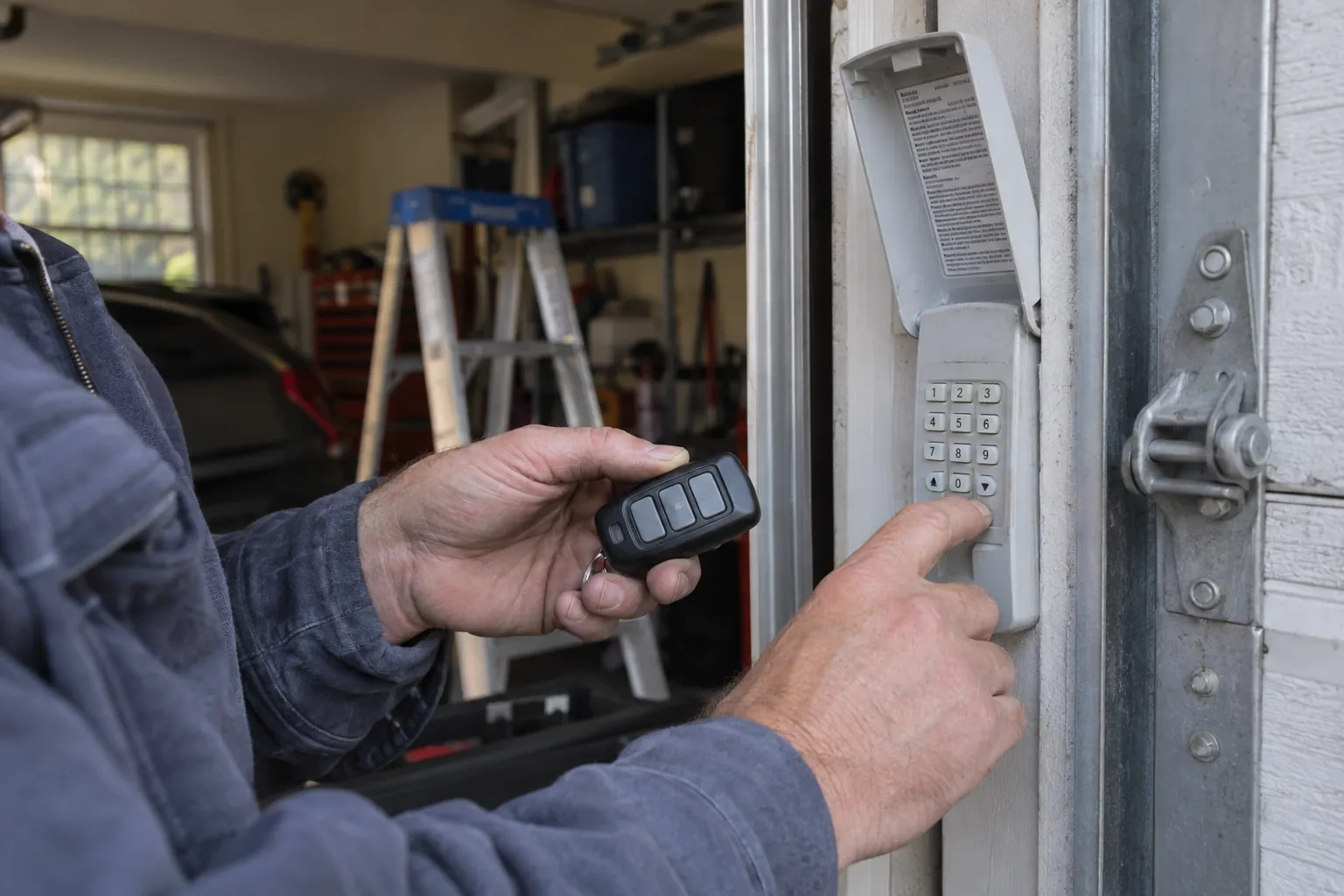
Three-button stations, key controls, lock interlocks, pass-door interlocks and access-system inputs create different diagnostic paths. The quote identifies which door-side controls are included in testing.
Curtain position when work begins
A curtain resting closed, stopped mid-travel or held near the hood presents a different securing and access plan. Its position affects how components can be reached and supported.
What to have ready
- Is the curtain fully open, closed or stopped between limits?
- Has manual effort, noise or travel changed gradually?
- Which slats, guides or bottom-bar areas look damaged?
Commercial Rolling Door Repair: questions
QuestionsHow is a rolling fire door repair different?
A labelled fire door is a closure in a fire separation, so labels, listed construction, compatible components, release hardware, clear closing path and required records shape the work. Routine operating repair and specialised fire-door inspection or release testing are defined explicitly. Substitutions are based on assembly information rather than appearance or approximate fit.
Can access controls be tested with the door repair?
The door-side response to an authorised access signal can be included, along with key switches, interlocks and normal control stations. Account administration, private codes, network setup or security-system programming may belong to another provider. The handover records the functional interface tested while leaving sensitive credentials in the facility's control.
What makes a rolling door different from a sectional overhead door?
A rolling door uses interlocking slats or a flexible sheet that coils around a barrel above the opening. A sectional door uses hinged panels that travel along horizontal or vertical tracks. Their guides, counterbalance arrangements, clearances and repair parts differ, so identifying the construction before service is an important first step.
Related services
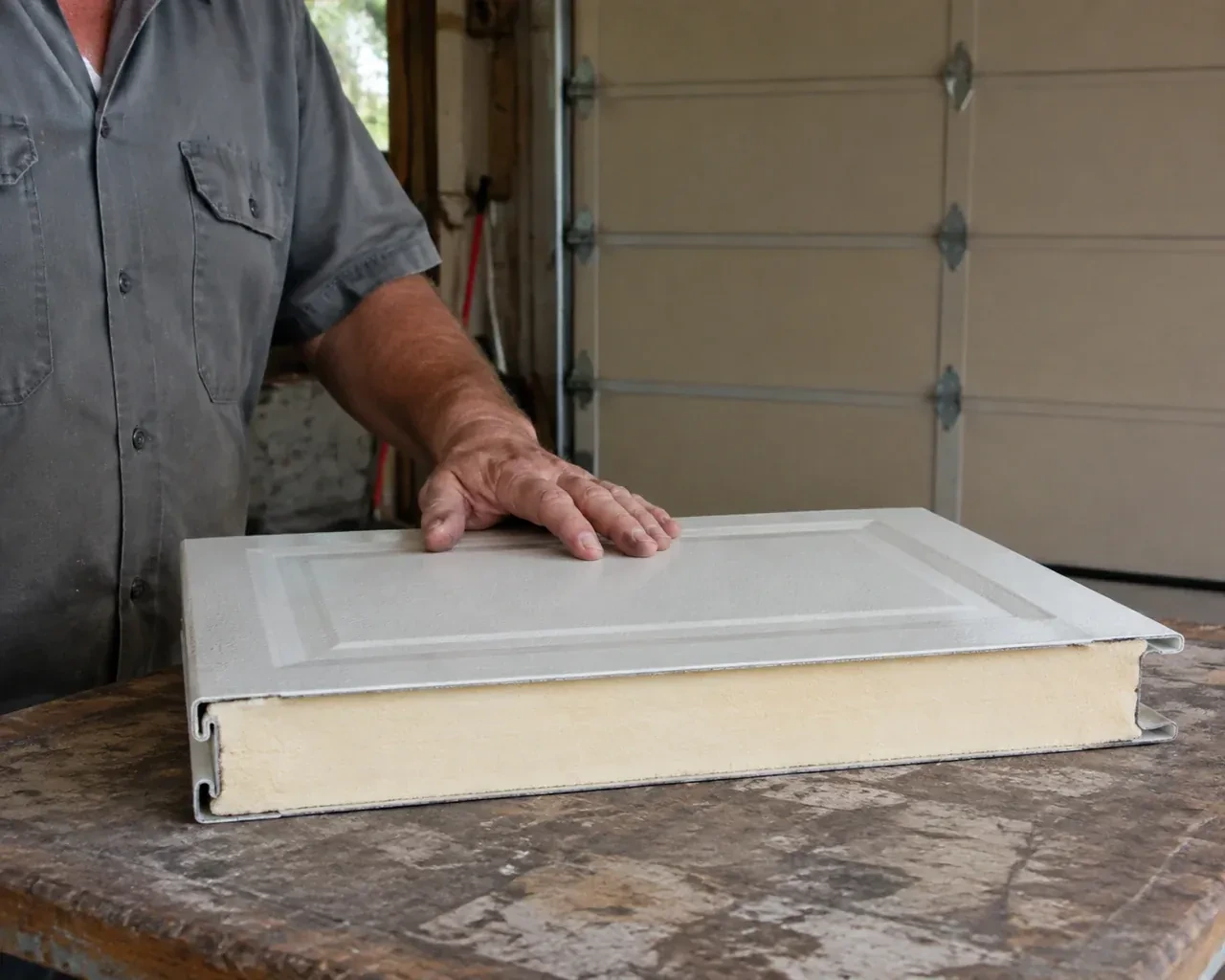
- Insulated Steel Garage Door InstallationDaylight appears beside the closed door and powdery snow collects just inside after windy weather.
- Wind-Rated Garage Door ReplacementThe current double door shudders when pressure changes outside, and daylight appears briefly along one edge.
- Carriage-House Garage Door InstallationYour garage door works, yet its broad plain panels feel disconnected from the brick, gables and entry details around them.